
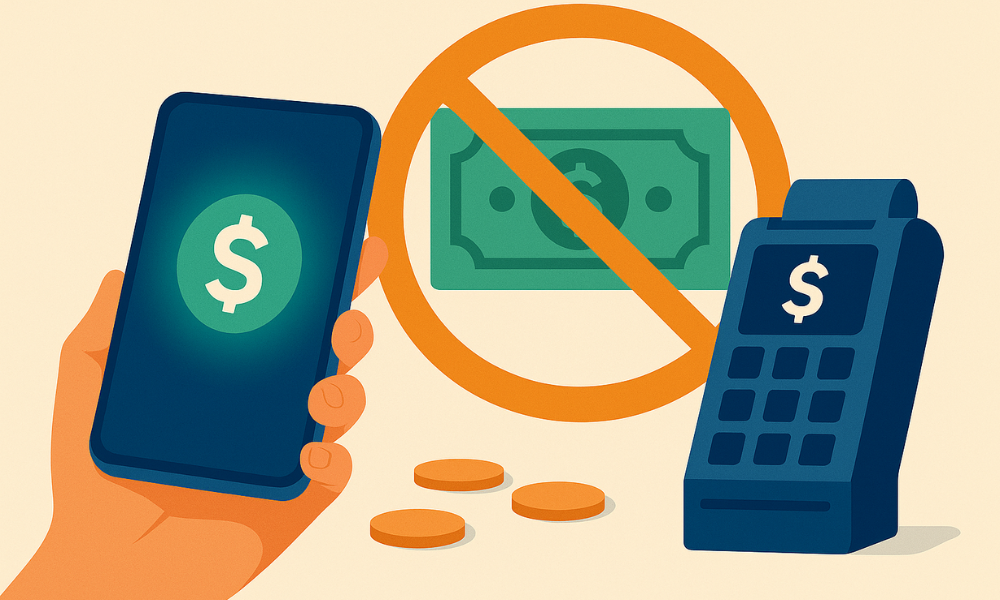

Are Americans Ready for a Fully Digital, Cashless Economy?
Americans are steadily moving towards a digital economy, with cash usage dwindling and digital payments becoming the norm. The prevalence of mobile apps, cryptocurrencies, and contactless payments indicates a clear shift. However, the path to a completely cashless society is complex and requires addressing several societal and technical challenges. Read on to discover the intricacies and implications of this transition.
The Current State of Cash in America
It’s unmistakable: cash is losing its former luster in the American economy. The Federal Reserve reports a marked decline in cash transactions, plummeting from 40% in 2017 to about 26% in 2019. The shift has only been hastened by the COVID-19 pandemic, as health concerns pushed many to avoid physical currency. Anecdotes abound of retailers opting for « card-only » transactions, a testament to the changing times.
Why the Shift?
The decline in cash usage is driven by several factors:
- Convenience: Digital payments eliminate the hassle of handling coins and making change. Consider the ease of paying for groceries with a simple tap on your phone.
- Security: With encryption and fraud protection, digital transactions offer a safety net that cash simply cannot. It’s a comforting thought for those wary of theft.
- Tracking Spending: Digital wallets and financial apps provide users with detailed insights into their spending patterns, a boon for budgeting enthusiasts.
- Health Concerns: The pandemic has heightened awareness about hygiene, making people skeptical of handling cash, thus boosting contactless payments.
The Rise of Digital Payment Methods
Digital payment methods are rising in popularity, transforming the way we conduct transactions. Let’s explore the most prominent among them.
Mobile Payment Apps
Apps like Venmo, Cash App, and PayPal have revolutionized monetary transactions. With just a few taps, users can transfer money instantly or pay for services, making these apps indispensable. Statista projects the number of mobile payment users in the U.S. will exceed 100 million by 2025. It’s like having a bank in your pocket, always ready for that spontaneous online purchase.
Cryptocurrencies
Though still budding, cryptocurrencies like Bitcoin and Ethereum are slowly carving out their niche. Increasing numbers of businesses are beginning to accept these digital currencies, heralding a potential future where cryptocurrencies could be as mainstream as credit cards. Imagine buying your morning coffee with a fraction of a Bitcoin!
Contactless Payments
Apple Pay and Google Pay are leading the charge in contactless payment technology. The sheer convenience of completing a transaction with a swift tap appeals to those who value speed. It’s a far cry from the days of waiting for change at the cash register.
The Pros and Cons of Going Cashless
Embracing a cashless future isn’t without its hurdles. Here are the significant advantages and pitfalls:
Pros
- Efficiency: Transactions become almost instantaneous, benefiting both consumers and retailers. Imagine the time saved during the holiday shopping rush.
- Reduced Costs: Businesses save on the logistical nightmare of handling physical cash, which involves counting, storing, and transporting.
- Enhanced Security: Digital transactions mitigate the risks of physical theft, a relief for business owners.
Cons
- Exclusion of the Unbanked: Those without access to banking or technology might find themselves sidelined in a cashless world.
- Privacy Concerns: The traceability of digital transactions raises alarms about personal data privacy. Who wants their every purchase scrutinized?
- Technical Issues: Dependence on technology means that outages or system failures could leave people without access to their funds, potentially disastrous during emergencies.
Are Americans Ready?
So, is a cashless America on the horizon? The answer is nuanced. While digital payments are on the rise, a significant segment of the population remains loyal to cash. A Pew Research Center survey reveals that nearly 30% of Americans still prefer cash for daily transactions. It begs the question: is convenience enough to tip the scales?
Demographics and Cash Preferences
Age significantly influences payment preferences. Younger people gravitate towards digital transactions, while older generations often stick with cash. Furthermore, individuals with lower incomes or those in rural areas might lack steady internet access or banking services, making cash indispensable. It’s a reminder that technology’s reach isn’t universal.
The Future of Money
Looking ahead, digital payments are poised to remain a dominant force, but a wholly cashless economy may still be distant. Striking a balance that accommodates both digital and traditional methods is key. After all, not everyone is ready to part with familiar monetary habits.
Steps Toward a Cashless Future
For a successful transition to a cashless society, several proactive steps are essential:
- Education: Consumers need comprehensive knowledge of digital payment benefits and risks to make informed choices.
- Infrastructure: Universal access to reliable internet and banking services is critical to ensure inclusivity.
- Regulation: Government intervention might be necessary to safeguard consumer rights and ensure equitable access to digital payments.
The prospect of a fully digital, cashless economy heralds exciting opportunities but presents significant challenges. While many Americans are embracing the ease of digital transactions, a notable portion still clings to cash. As technology progresses, building an inclusive system accommodating both preferences is paramount. Whether you’re swiping your phone at the checkout or counting cash in your wallet, the future likely holds a fusion of both approaches. Stay abreast of trends, for while cash might not be the reigning monarch, it certainly won’t become obsolete anytime soon!