
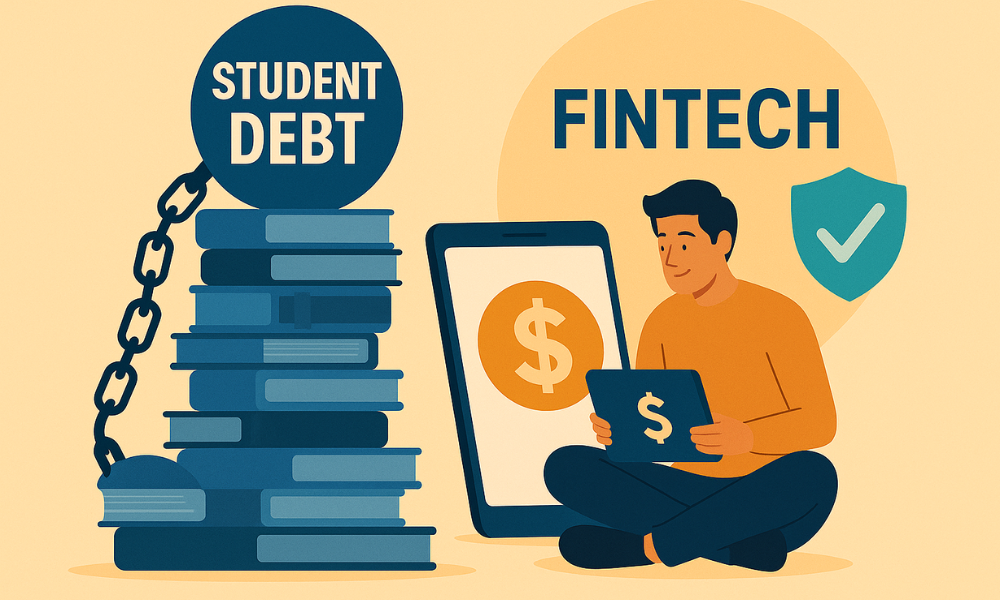

Can fintechs help Americans overcome the student debt crisis?
Fintech companies are indeed helping Americans tackle their student debt by offering innovative solutions such as refinancing, personalized financial planning, and access to unique repayment plans. Their technological edge provides borrowers with more tailored and efficient ways to manage and reduce their debt. Dive deeper into the article to discover how these fintech innovations are making a difference in people’s lives and what potential challenges remain.
The Current Landscape of Student Debt
The American student debt situation is daunting, with millions grappling to meet their financial obligations. Graduates face a tough reality with their debt levels, often exacerbated by high interest rates that seem to loom like a dark cloud. Consider this: the average borrower carries about $37,000 in student loans. This staggering figure is more than just a number; it’s a barrier that holds back significant life milestones such as buying a home or starting a family. To add to the concern, the default rate on federal loans stands at 10.1%, and nearly a third of borrowers find themselves falling behind on payments. It’s a sobering reflection of the financial tightrope they walk.
What Are Fintechs?
Fintech, a blend of finance and technology, embodies companies that leverage advanced tech to streamline financial services. These firms range from online lending platforms to sophisticated budgeting applications, all designed to democratize financial management. Some household names in this sector include SoFi, Betterment, Chime, and Upstart. By innovating where traditional banks are slower to adapt, fintechs are uniquely positioned to address the student debt crisis, offering alternatives that were previously unavailable to many borrowers.
How Fintechs Can Help Tackle Student Debt
What specific strategies do fintechs employ to aid borrowers in managing and reducing student debt? Let’s explore the various avenues through which these companies are making tangible impacts:
1. Refinancing Options
One of the most significant offerings from fintech companies is student loan refinancing. By proposing lower interest rates than those typically available through traditional banks, fintechs can dramatically reduce the total amount borrowers must repay over time. Imagine being able to slash your monthly payments or even clear your loans ahead of schedule. Take SoFi, for example, which allows refinancing of both federal and private loans, often with rates tied to the borrower’s credit profile. This not only alleviates financial pressure but also provides a clearer, faster path to financial freedom.
2. Personalized Financial Planning
Fintechs excel at using algorithms and artificial intelligence to craft personalized financial advice. Platforms like Mint and YNAB (You Need A Budget) are pivotal in helping users keep tabs on their spending and make informed choices. With these tools, it’s easier for individuals to pinpoint savings opportunities, trim unnecessary expenses, and devise a realistic debt repayment strategy. The support doesn’t stop there—many apps provide insights that can help users reallocate funds more effectively, ensuring that student loans don’t overshadow other financial goals.
3. Innovative Repayment Plans
Flexibility is also a cornerstone of fintech’s approach, with companies like Earnest offering repayment plans tailored to individual circumstances. This customization is crucial for borrowers who might find conventional payment arrangements burdensome. Whether it’s adjusting the payment amount based on income fluctuations or setting specific financial objectives, these tailored solutions offer a lifeline to those navigating financial challenges. Such adaptability is often the key to maintaining financial stability while juggling other commitments.
4. Access to Grants and Forgiveness Programs
Beyond financial products, fintechs can guide borrowers towards grants and loan forgiveness programs that might otherwise go unnoticed. By connecting users with these opportunities, fintech companies provide a valuable service, potentially easing some of the debt burdens through government initiatives. This resourcefulness can be a game-changer for many, opening doors to financial relief that can shift the debt landscape considerably.
The Pros and Cons of Fintech Solutions
As with any approach, fintech solutions come with distinct advantages and drawbacks. Let’s break these down further:
Pros
- Accessibility: Fintechs often lower the barriers to entry, making their services more readily accessible to a broader audience than traditional financial institutions.
- Speed: The swift nature of fintech services means applications and approvals can often be finalized in mere hours, providing timely support to those in need.
- Innovation: With constant technological advancements, fintechs offer an ever-evolving suite of solutions that provide borrowers with more choices and flexibility.
Cons
- Less Regulation: Typically less regulated than their traditional counterparts, fintechs may pose higher risks to consumers, although they also offer more innovative solutions.
- Variable Interest Rates: Some fintech products include variable rates that might escalate over time, potentially increasing the borrower’s debt burden if not managed carefully.
- Limited Options: Not every fintech caters to all debt types or federal loans, which can limit the comprehensiveness of their offerings for some borrowers.
Real-Life Success Stories
Despite the challenges, there are countless instances where borrowers have successfully leveraged fintech solutions to their benefit. Consider Sarah, a recent graduate who managed to cut her interest rate from 7% to 3.5% by refinancing with a fintech firm. This strategic move enabled her to save over $10,000 in interest, allowing her to pay off her loans years ahead of schedule. In another case, Tom used a budgeting app, which revealed an extra $200 monthly saving potential. By redirecting these funds toward his student loans, Tom accelerated his debt repayment, demonstrating the power of small, informed adjustments.
While the student debt crisis in America poses serious challenges, fintech companies are emerging as innovative allies. From refinancing to personalized financial guidance, they offer powerful tools to help borrowers manage their debt more efficiently. However, as with any financial decision, it remains crucial for individuals to conduct thorough research and select solutions that align with their unique circumstances. If student debt feels overwhelming, exploring fintech services might be the step towards achieving a more secure financial future!