
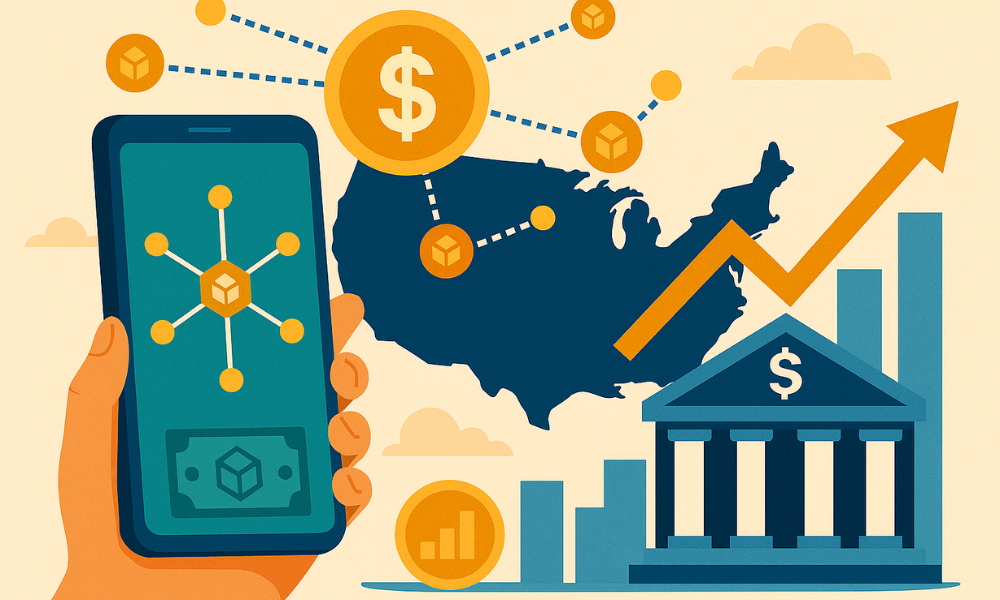

Can tokenization transform the U.S. investment landscape?
Tokenization is revolutionizing the investment world by allowing individuals to own fractions of high-value assets like real estate and art. Through digital tokens, investing becomes more accessible, allowing more people to diversify their portfolios with ease. Delve deeper to understand how this technology reshapes investing and what it means for the future.
What is Tokenization?
Tokenization, at its essence, involves transforming rights to an asset into digital tokens via blockchain technology. This process can encompass a wide range of assets like real estate, art, stocks, and commodities. By digitizing these assets into tokens, investors gain the benefit of simplified transferability, enhanced ownership verification, and the novel possibility of fractional ownership. Imagine owning a portion of a Monet or a share in a downtown luxury apartment, all through your tablet!
The Basics of Blockchain
Before diving into tokenization, understanding blockchain technology is crucial. A blockchain is essentially a decentralized digital ledger that methodically records transactions across numerous computers. This distributed nature ensures that once a transaction is logged, it’s nearly impossible to modify, providing unmatched security and transparency. Think of it as a digital vault where every transaction is locked and verified by countless keys.
How Does Tokenization Work?
The journey of tokenization typically involves several key steps:
- Asset Selection: Initiate the process by picking the asset you wish to tokenize, whether it’s a historical building or a masterpiece.
- Token Creation: This step involves crafting digital tokens that embody ownership or stakes in the chosen asset. It’s akin to minting a digital currency.
- Smart Contracts: Leverage smart contracts to automate transactions and enforce stipulated terms without intermediaries. These are self-executing contracts with terms directly written into code.
- Marketplace Listing: Finally, list these tokens on a digital marketplace, allowing a diverse range of investors to buy, sell, or trade them freely.
The Benefits of Tokenization
The advent of tokenization offers a plethora of advantages that stand to revolutionize investment practices. Notably:
- Accessibility: By tokenizing assets, the investment barrier is lowered. Instead of needing hefty capital for high-value assets, investors can acquire fractions. Imagine owning a slice of a skyscraper in Manhattan for the price of a fancy dinner!
- Liquidity: Assets traditionally seen as illiquid, such as real estate, can attain enhanced liquidity. Tokens can be effortlessly traded on secondary markets, facilitating swifter transactions.
- Transparency: Blockchain’s inherent transparency ensures that transactions are recorded and verifiable, minimizing fraud risks and fostering trust among investors.
- Cost Efficiency: With the removal of intermediaries like brokers and banks, transaction costs plummet, streamlining the entire process. Imagine sidestepping hefty brokerage fees!
Real-World Applications of Tokenization
Tokenization is already making significant strides across multiple sectors. Here’s a closer look at some real-world applications:
Real Estate Investments
Real estate tokenization democratizes the property market by allowing investors to buy fractions of properties, thus making it more feasible to enter this traditionally expensive market. Innovators like RealtyBits and Property Coin are spearheading this change, offering opportunities to invest in both commercial and residential properties. Imagine being a part-owner of a luxury condo with just a few clicks!
Art and Collectibles
The art sector is also embracing tokenization. By tokenizing artworks, multiple investors can share ownership of a single piece. Companies such as Myco are pioneering this field, breaking down barriers to high-value art ownership. Picture owning a brushstroke of a Van Gogh!
Equity and Debt Financing
Tokenization extends its reach to equity and debt financing as well. Companies can issue tokenized shares or bonds, facilitating investments in startups and established enterprises without the usual hindrances. This means potential investors can support the next big tech giant from their living room.
Challenges and Considerations
Despite its promising nature, tokenization comes with its set of challenges that need addressing:
- Regulatory Framework: The legal guidelines surrounding tokenization are still evolving, and clear regulatory frameworks are vital for its widespread adoption.
- Security Concerns: While blockchain offers considerable security, it’s not invincible to hacks and fraud. Investors must exercise caution and conduct thorough due diligence.
- Market Adoption: For tokenization to truly revolutionize the investment landscape, it requires broad acceptance among both investors and institutions.
Future Outlook: Is Tokenization the Next Big Thing?
As technologies mature and regulations catch up, tokenization holds immense potential to democratize investing in the U.S. Visualize a future where anyone can invest in luxury assets, effortlessly diversifying their portfolios, and engaging in markets previously dominated by the affluent. Though the journey may be fraught with challenges, the possibilities are undeniably exciting!
In conclusion, tokenization is on the verge of transforming the U.S. investment landscape in profound ways. By unlocking greater accessibility, liquidity, and transparency, it paves the way for a new generation of investors. While hurdles remain, the potential benefits outweigh these challenges, making it a space ripe for exploration. If the potential of tokenization intrigues you, consider diving into platforms offering tokenized assets and envision your role in this investment revolution!