
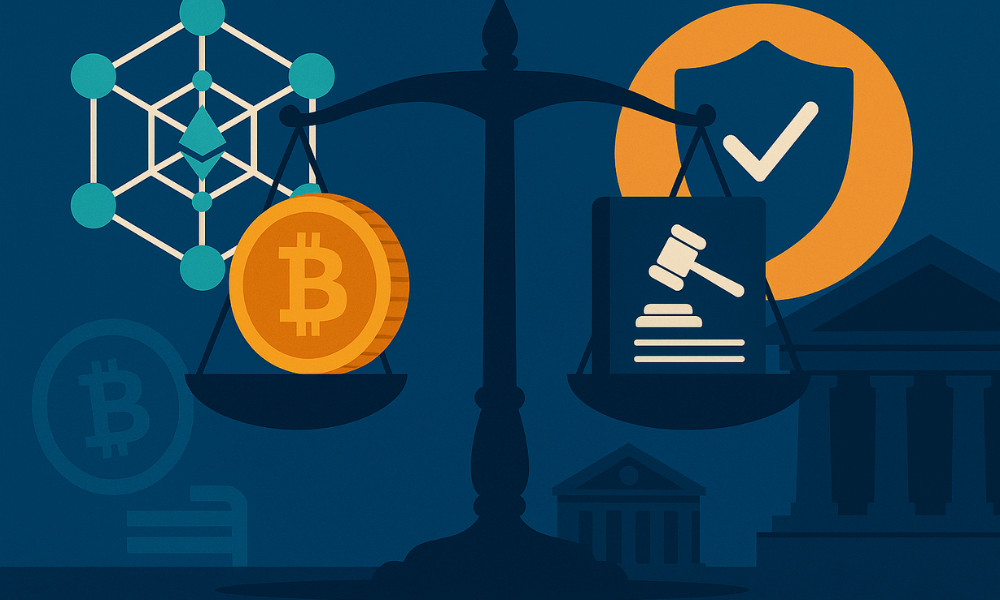

How is regulation shaping the next phase of crypto adoption?
Regulation is a cornerstone in the cryptocurrency world, paving the way for its wider acceptance and growth. As digital currencies become more embedded in the financial systems, the way they’re regulated significantly influences how they are adopted by both individual users and large institutions. Dive deeper into the nuances of this evolving landscape to understand how regulation is not just a challenge but a catalyst for cryptocurrency’s future.
The Current State of Cryptocurrency Regulation
Cryptocurrency regulation is anything but uniform, with approaches differing across the globe. In the ever-changing terrain of digital currencies, it’s vital to grasp the key elements that define this regulatory mosaic:
- Government Stance: Take El Salvador for instance, which boldly embraced Bitcoin as a legal currency. Contrast this with China, where Bitcoin faces an outright ban. These divergent policies exemplify the range of governmental attitudes toward cryptocurrencies.
- Taxation Policies: The IRS in the United States treats cryptocurrencies as property, akin to stocks or real estate, meaning capital gains taxes come into play. This classification impacts the strategies of investors and businesses as they navigate tax liabilities.
- Consumer Protection: With the surge in interest, ensuring consumer protection from scams and fraud has become a regulatory focus. This is crucial in fostering a safer environment for crypto enthusiasts and newcomers alike.
Why Regulation Matters
What makes regulation such a pivotal factor in cryptocurrency’s evolution? Here are some insights:
1. Building Trust
Regulation lays the groundwork for trust among potential crypto users. When there are clear rules and protective measures, individuals feel safer exploring the crypto waters. This trust is a linchpin for broader adoption, particularly for those wary of the perceived volatility and risk associated with digital assets.
2. Legitimizing the Industry
Regulation serves as a stamp of legitimacy for the cryptocurrency sector. It attracts institutional investors seeking secure and compliant avenues for their capital. Firms adhering to regulations can stand out positively, distancing themselves from less ethical players that might undermine the industry’s reputation.
3. Encouraging Innovation
Contrary to the belief that regulation stifles creativity, it can actually be a springboard for innovation. By defining clear parameters, developers are free to craft new solutions that align with legal standards. For instance, structured regulations around stablecoins can spur their growth, potentially transforming financial systems by bridging traditional and digital finance.
The Impact of Regulation on Crypto Adoption
Let’s delve deeper into how regulation is shaping crypto adoption:
1. Increased Participation from Institutions
With regulatory frameworks providing a safety net, major financial entities are increasingly engaging with cryptocurrencies. This growing participation is evident through:
- Significant investments in dedicated cryptocurrency funds.
- The burgeoning involvement of traditional banks in blockchain technology development.
- Strategic alliances between crypto startups and well-established financial institutions, enhancing market credibility.
2. Enhanced Security Measures
Security is paramount in the regulatory landscape, leading to the implementation of robust frameworks aimed at protecting end-users. As a result, we observe:
- More stringent security protocols for exchanges and digital wallets.
- Augmented measures to combat fraud and cyber threats, fostering a safer transactional space.
- An overall boost in user confidence when dealing with cryptocurrencies, knowing that safeguards are in place.
3. Mainstream Adoption
Clear and comprehensive regulations are encouraging businesses to integrate cryptocurrencies into their operations. This trend is manifested in:
- A growing number of retailers welcoming Bitcoin and its peers as viable payment methods.
- The seamless incorporation of cryptocurrency payment solutions into leading e-commerce platforms.
- The increasing use of digital currencies for remittances and international transactions, streamlining cross-border financial activities.
The Future of Crypto Regulation
Looking ahead, several trends are poised to shape the future of crypto regulation:
1. Global Cooperation
Given the global nature of cryptocurrencies, there’s an imperative for international regulatory cooperation. This could lead to:
- Harmonized regulatory standards simplifying compliance for businesses operating in multiple jurisdictions.
- Efficient cross-border trading frameworks enhancing the global market’s functionality.
2. Evolving Regulations
As technology and market landscapes shift, so too must regulations. Anticipating innovations such as decentralized finance (DeFi) and NFTs, regulatory bodies will need to adapt by:
- Crafting new regulations specifically addressing emerging crypto assets.
- Encouraging ongoing dialogue between regulatory authorities, industry stakeholders, and consumers to refine and optimize regulations.
3. Focus on Sustainability
As environmental concerns associated with crypto mining gain attention, a focus on sustainability is emerging. This could result in:
- Incentivizing environmentally friendly mining practices.
- Developing regulations that promote the use of renewable energy sources in the production of cryptocurrencies.
In conclusion, while regulation presents challenges, it also heralds opportunities for growth, trust-building, and mainstream acceptance in the crypto world. Keeping abreast of regulatory developments is crucial for anyone engaged in the cryptocurrency sphere, whether you’re a seasoned investor or a curious newcomer. By staying informed and adaptable, you’ll be well-positioned to navigate the dynamic landscape of digital finance.
Regardless of your level of involvement, understanding the regulatory landscape is key to capitalizing on the potential of cryptocurrencies. So, remain vigilant for updates and consider diving into the world of digital currencies—they just might represent the future of finance!