
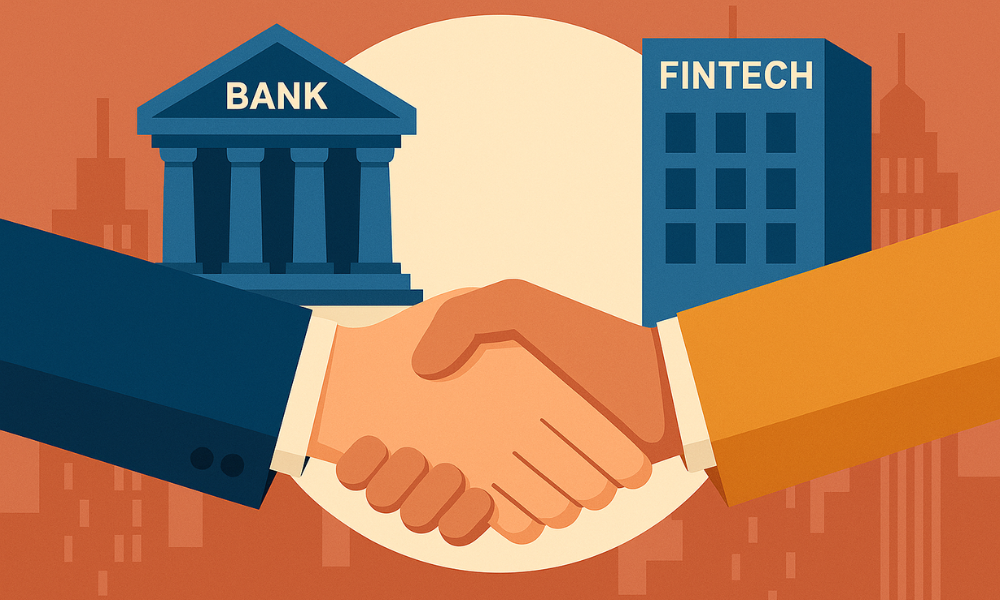

How is the collaboration between banks and fintechs evolving?
The collaboration between banks and fintechs is rapidly advancing, with traditional banks increasingly partnering with fintech companies to leverage cutting-edge technologies. With fintechs leading in innovation and banks providing scale and stability, this union is reshaping the financial industry landscape. Keep reading to discover the details of how these partnerships are transforming the financial world.
The Shift in Financial Services
The financial services industry has seen a dramatic transformation with digital solutions taking center stage. As clients increasingly demand seamless and intuitive experiences when handling their financial affairs, fintechs have thrived by offering services ranging from mobile payments to sophisticated robo-advisors. For instance, companies like Square and Stripe have revolutionized payment processing, while platforms like Wealthfront have transformed investment management. Traditional banks are now racing to keep up, faced with the stark reality that failure to innovate could mean losing market share. As a result, many banks are actively seeking collaboration rather than competition with these nimble newcomers.
Why Fintechs Are Attractive to Banks
Banks are drawn to fintechs for a number of compelling reasons. Firstly, fintechs are often at the cutting edge of technological innovation, offering banks access to state-of-the-art advancements without having to develop them internally. For example, fintech companies are pioneering AI-driven risk assessment tools that allow for more accurate loan evaluations. Secondly, fintech startups can roll out new solutions at a rapid pace, often far exceeding the slower, more bureaucratic processes of traditional banking institutions. This allows banks to bring new services to market faster. Additionally, partnering with fintechs can be a cost-effective strategy—developing the same technologies internally could be prohibitively expensive. Finally, with their emphasis on data analytics, fintechs provide banks with deep insights into consumer behavior, enabling them to tailor services and improve customer satisfaction.
Types of Collaborations
There are several ways in which banks and fintechs are teaming up to drive innovation and growth. Here’s a closer look at some prevalent collaboration models:
1. Partnerships
Many banks opt to collaborate with fintechs to integrate cutting-edge solutions into their services. For instance, a bank might team up with a fintech specializing in mobile payments to enhance its digital offerings. A real-world example is the partnership between JPMorgan Chase and OnDeck, where the fintech provides small business loan solutions through the bank’s platform. This synergy allows the bank to offer a broader range of services without the time and cost involved in developing new technologies internally.
2. Acquisitions
Some banks take a more assertive approach by acquiring fintech companies outright. This strategy offers immediate access to new technologies and talent pools, facilitating rapid scaling and innovation. An example is BBVA’s acquisition of Simple, a digital banking firm, which allowed BBVA to expand its digital capabilities significantly. The acquisition not only brings in fresh technology but also a new approach to customer engagement that can revitalize traditional banking models.
3. Incubators and Accelerators
To nurture innovation, many banks have set up incubators and accelerators that support fintech startups. These programs offer resources, mentorship, and funding in exchange for equity stakes or partnership opportunities. Barclays, for example, runs the Rise Accelerator, which connects fintech startups with industry experts and potential investors. These initiatives help banks stay at the forefront of technological advancements while fostering a vibrant ecosystem of innovation.
Benefits of Collaboration
The ongoing collaboration between banks and fintechs delivers numerous advantages, enhancing the financial services landscape in several ways:
- Enhanced Customer Experience: By incorporating fintech solutions, banks can offer their customers more personalized and efficient services. For example, AI-driven customer service bots can provide instant assistance, improving service availability and response time.
- Increased Agility: Leveraging fintech innovations allows banks to adapt more swiftly to market changes. This responsiveness is crucial in a rapidly evolving financial environment and positions banks to capitalize on emerging trends more effectively.
- Broader Service Range: Collaborations enable banks to expand their service offerings without the need for extensive in-house development, thus bringing new products to market more swiftly and economically.
Challenges to Overcome
Despite the promising outlook, several challenges must be addressed for these collaborations to thrive:
Regulatory Hurdles
Navigating the intricate web of financial regulations is a significant challenge. Regulations vary widely by region, and both banks and fintechs must ensure compliance while continuing to innovate. This can involve significant legal and operational adjustments, which may slow down the pace of implementation.
Data Security
As digital services expand, so too do the risks of cyber threats. Ensuring the security of customer data is critical to maintaining trust and compliance. Banks and fintechs must invest heavily in cybersecurity measures to protect sensitive information from breaches and fraud.
Cultural Differences
Collaborating effectively requires bridging the cultural divide between traditional banks and fintechs. Banks typically have more conservative, risk-averse cultures, while fintechs often embrace a more dynamic, experimental approach. Finding a harmonious balance is crucial for successful partnerships, requiring open communication and mutual respect.
The Future of Banking and Fintech Collaboration
As technology continues to advance, the integration between banks and fintechs is set to deepen, leading to more personalized and innovative financial services. Here are a few trends to anticipate:
Increased Personalization
With continued advancements in data analytics, banks and fintechs will be able to offer even more tailored services. Imagine a banking application that not only tracks spending but also provides personalized financial advice based on individual behavior patterns, greatly enhancing the customer experience.
Blockchain and Cryptocurrency
The growing interest in blockchain technology and cryptocurrencies opens new avenues for collaboration. Banks may partner with fintechs that specialize in these areas to offer secure and efficient transactions, as well as exploring the potential of digital currencies to transform traditional banking models.
Focus on Sustainability
As environmental consciousness rises, banks and fintechs are likely to collaborate on developing sustainable financial products. This could include offering green loans or investment options that focus on carbon offsetting, aligning financial services with broader societal goals of sustainability.
The collaboration between banks and fintechs stands as a pivotal development in the financial sector. As these partnerships continue to evolve, they promise not only to enhance customer experiences and foster innovation but also to create a more agile and responsive banking environment. While obstacles remain, the potential benefits of these collaborations are substantial, pointing towards a promising future for the financial industry. Whether you’re a tech-savvy consumer or simply interested in financial trends, this dynamic synergy is certainly worth watching!