
How Will Open Banking Reshape Financial Competition in the U.S.?
Open banking is poised to significantly increase competition within the U.S. financial sector by enabling greater transparency and innovation. Through secure data sharing facilitated by APIs, consumers will gain access to more tailored financial services. Read on to discover how these changes will affect both consumers and financial institutions.
What Is Open Banking?
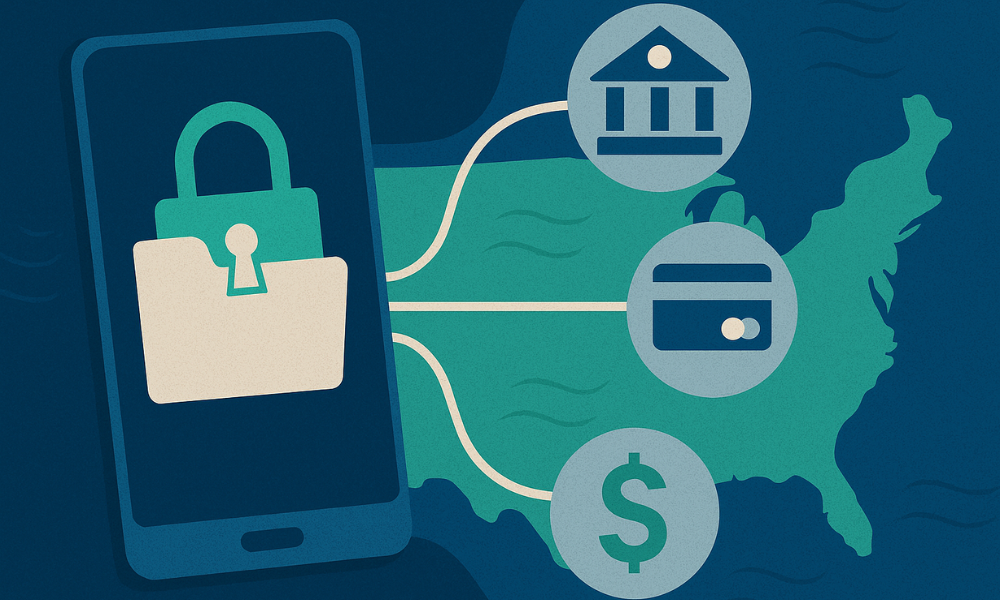
Open banking is essentially a framework where banks and other financial entities grant third-party developers access to consumer banking data via APIs. This secure exchange of information allows you to connect with a myriad of new services, offering enhanced financial management tools and personalized product options. Imagine your financial world opening up with a multitude of choices at your fingertips.
The Basics of Open Banking
At its heart, open banking seeks to elevate the customer experience by:
- Promoting transparency in financial transactions, making hidden fees a thing of the past.
- Fueling innovation among fintech firms eager to disrupt traditional markets with fresh ideas.
- Empowering consumers with greater control over their own financial data, akin to owning a key to a digital vault.
How Open Banking Promotes Financial Competition
Open banking is set to overhaul the competitive landscape for established banks and financial institutions. Here’s why:
1. Increased Innovation
By opening the gates to financial data, fintech companies can cook up creative solutions tailored to your unique financial circumstances. This might mean apps that slice and dice your spending patterns or platforms offering loans adjusted to your real-time financial health. The possibilities are boundless when innovation is unleashed.
2. Enhanced Customer Experience
Modern consumers crave simplicity in managing their finances. Open banking paves the way for seamless experiences — visualize managing all your bank accounts via a single app, regardless of the bank affiliation. This saves you precious time and aids in making informed financial choices, possibly even redefining the notion of convenience.
3. Lower Costs and Better Rates
As competition heats up, banks will need to offer more attractive rates and trim down fees. With a crowded marketplace, you can shop around for the best deals, much like finding a bargain at a bustling market. This dynamic environment promises more affordable financial products without compromising quality.
The Role of Regulation in Open Banking
Regulatory frameworks will be the backbone of open banking’s success in the U.S. Policies like the Gramm-Leach-Bliley Act and directives from the Consumer Financial Protection Bureau (CFPB) will be central to shaping how data is shared and safeguarded. After all, regulation acts as the referee in this high-stakes game.
Understanding Consumer Protections
Safeguarding consumer interests is crucial as open banking proliferates. Effective regulations must ensure:
- Data sharing is executed securely, with your explicit consent leading the charge.
- Consumers can withdraw their data permissions anytime, putting control firmly in their hands.
- Clear and transparent communication on data usage is standard practice, leaving no room for ambiguity.
The Impact on Traditional Banks
For traditional banks, open banking presents a double-edged sword of challenges and opportunities. Let’s delve deeper:
Challenges for Traditional Banks
As fintech entities carve their niche, traditional banks might encounter:
- Stiff competition vying for customer loyalty in a crowded arena.
- Heightened pressure to innovate and stay ahead of the curve.
- The risk of losing customers to slick, digital-first solutions favored by younger generations.
Opportunities for Collaboration
Instead of seeing fintechs as foes, banks can leverage partnerships for mutual gain. Such collaborations can yield:
- Access to cutting-edge technologies and digital platforms.
- A broadened array of products that align with shifting consumer preferences.
- Enhanced customer service through state-of-the-art digital solutions, transforming how banks interact with patrons.
Consumer Benefits of Open Banking
How does open banking translate into tangible benefits for you, the consumer? Here’s the scoop:
1. More Choices
With an ever-expanding selection of financial products and services, your options become a delightful buffet to choose from. Whether it’s securing a loan or exploring investment avenues, the choice is truly yours to make.
2. Better Financial Management
Open banking is a catalyst for tools that streamline how you oversee your finances. Consider apps that meticulously track your spending habits, helping you budget smarter and stash away more savings — your digital financial advisor is just a tap away.
3. Personalized Financial Services
With deeper insights into consumer behavior, financial institutions can customize services to your unique needs. This means bespoke advice on loans, credit cards, and investments tailored specifically to your financial portrait.
The Future of Open Banking in the U.S.
The horizon for open banking in the U.S. is bright, contingent on meaningful collaboration among banks, fintech firms, and regulators. As technology continually evolves, open banking is set to revolutionize how financial services are delivered and consumed.
Looking Ahead
As awareness of open banking grows, a transformation in financial service consumption is anticipated. Staying abreast of emerging trends and innovative technologies will be crucial for navigating this rapidly changing landscape.
Open banking promises a transformative shift in the U.S. financial sector by encouraging competition and innovation. Consumers stand to gain from an array of better choices, reduced costs, and sophisticated financial management tools. As this trend advances, staying informed will empower you to harness the opportunities that lie ahead. So, keep an eye on these evolving dynamics and be prepared to take charge of your financial future!