

Is Blockchain Still Relevant Beyond Crypto Speculation?
Blockchain technology is not just about driving cryptocurrency markets; it’s a powerful tool with a wide array of applications beyond digital currency speculation. From enhancing supply chain transparency to revolutionizing healthcare data management, blockchain’s impact is far-reaching. Continue reading to discover how this innovative technology is transforming various industries in ways you might not expect.
Understanding Blockchain Technology
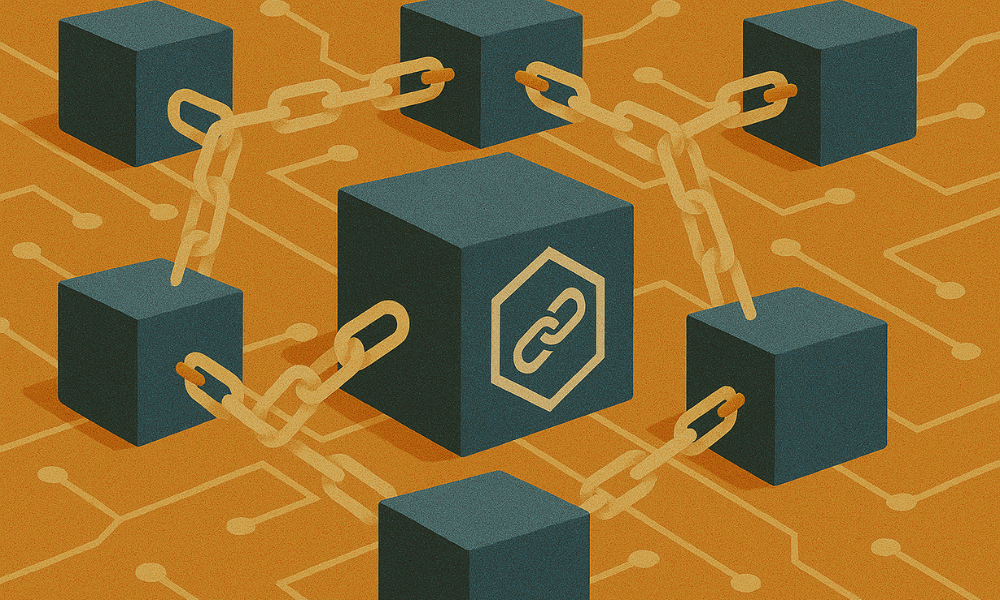
Before we delve into the various applications, it’s crucial to grasp what blockchain really is. At its core, blockchain is a decentralized digital ledger that meticulously records transactions across multiple computers. This decentralized nature ensures that once a transaction is added, it remains unchangeable, providing a secure and transparent way to store and manage information. This characteristic is pivotal for applications demanding high security and transparency.
The Basics of Blockchain
- Decentralization: Unlike centralized databases, blockchains operate over a vast network of computers, known as nodes, which ensures there is no single point of control or failure.
- Transparency: Every transaction on a blockchain is visible to all participants, fostering an environment of accountability and integrity.
- Security: Employing advanced cryptographic techniques, blockchain is highly resistant to fraudulence and cyber-attacks, making it a formidable option for secure data management.
This foundational understanding is crucial as we explore how blockchain’s potential is being harnessed beyond the confines of cryptocurrency.
Applications of Blockchain Beyond Cryptocurrency
Blockchain technology is reshaping various sectors by revolutionizing how we handle data and transactions. Its applications range far beyond digital coins, affecting industries globally. Let’s examine some noteworthy examples:
1. Supply Chain Management
In the complex web of supply chains, blockchain emerges as a beacon of clarity and efficiency. By providing real-time tracking of goods from their origin to the consumer, it streamlines operations significantly.
- Traceability: Blockchain records every step within the supply chain, allowing businesses to trace their products back to the source with precision, which is invaluable for ensuring quality and authenticity.
- Efficiency: With reduced paperwork and automated processes, blockchain helps minimize delays and errors, propelling supply chains towards unprecedented efficiency.
- Trust: Since every transaction can be independently verified, blockchain fosters trust among stakeholders, crucial in industries where authenticity is paramount.
2. Healthcare
The healthcare sector stands to gain immensely from blockchain technology, with improvements that promise to enhance patient care substantially.
- Patient Records: Blockchain offers a secure and immutable way to record patient histories, ensuring that medical professionals always have access to accurate, up-to-date information.
- Drug Traceability: By tracking pharmaceuticals through the supply chain, blockchain can help combat counterfeit drugs, a growing concern in the healthcare industry.
- Data Sharing: With blockchain, patients can control who accesses their medical data, enhancing privacy and security while facilitating better care coordination.
3. Voting Systems
Blockchain’s potential to revolutionize voting systems cannot be overstated. A future where voting is secure and transparent is within reach, thanks to this technology.
- Security: Blockchain can safeguard against electoral fraud, ensuring the integrity and accuracy of every vote cast.
- Accessibility: By enabling secure remote voting, blockchain could increase voter participation, particularly among those unable to vote in person.
- Transparency: This technology allows voters to verify their votes while ensuring anonymity is preserved.
4. Real Estate
The daunting process of buying and selling property is made simpler and more transparent with blockchain, which tackles several traditional hurdles.
- Smart Contracts: These self-executing contracts encode the terms of an agreement directly in code, automating and securing transactions without the need for intermediaries.
- Title Management: Blockchain provides clear, unalterable records of property ownership, minimizing disputes and streamlining transactions.
- Fraud Prevention: The transparency inherent in blockchain can significantly reduce fraudulent activities, offering peace of mind to buyers and sellers alike.
The Future of Blockchain
Looking ahead, several trends suggest exciting developments for blockchain technology. Here’s a glimpse of what the future might hold:
1. Increased Regulation
As blockchain technology continues to evolve, governments are likely to introduce regulations to ensure its ethical and efficient use. Such measures could enhance blockchain’s legitimacy and spur broader adoption across various industries.
2. Interoperability
For blockchain to achieve its full potential, it needs to communicate seamlessly across different networks. Ongoing efforts to develop standards and protocols for interoperability are paving the way for this technological harmony.
3. Environmental Impact
The environmental concerns associated with blockchain, particularly with energy-intensive proof-of-work systems, are driving innovation towards more sustainable solutions. New mechanisms like proof-of-stake are being explored to reduce energy consumption significantly.
Challenges Facing Blockchain Adoption
Despite its promising applications, the adoption of blockchain technology is not without its hurdles:
- Scalability: As blockchain networks expand, they can face performance issues, becoming slower and less efficient. This scalability challenge is a significant focus for developers worldwide.
- Complexity: For many, the intricacies of blockchain technology remain daunting, creating a steep learning curve that can hinder widespread adoption.
- Initial Costs: The implementation of blockchain solutions can demand significant upfront investment, which may deter some businesses from exploring this technology.
In conclusion, blockchain’s relevance extends far beyond crypto speculation, with transformative potential across multiple industries like supply chain management, healthcare, voting, and real estate. While challenges persist, the innovations and advantages on the horizon are undeniably compelling. If you’re intrigued by how blockchain might revolutionize your personal or professional life, now is the perfect time to explore its promising possibilities!
Stay informed, stay curious, and who knows? You might discover new ways to leverage this incredible technology in your own world!