
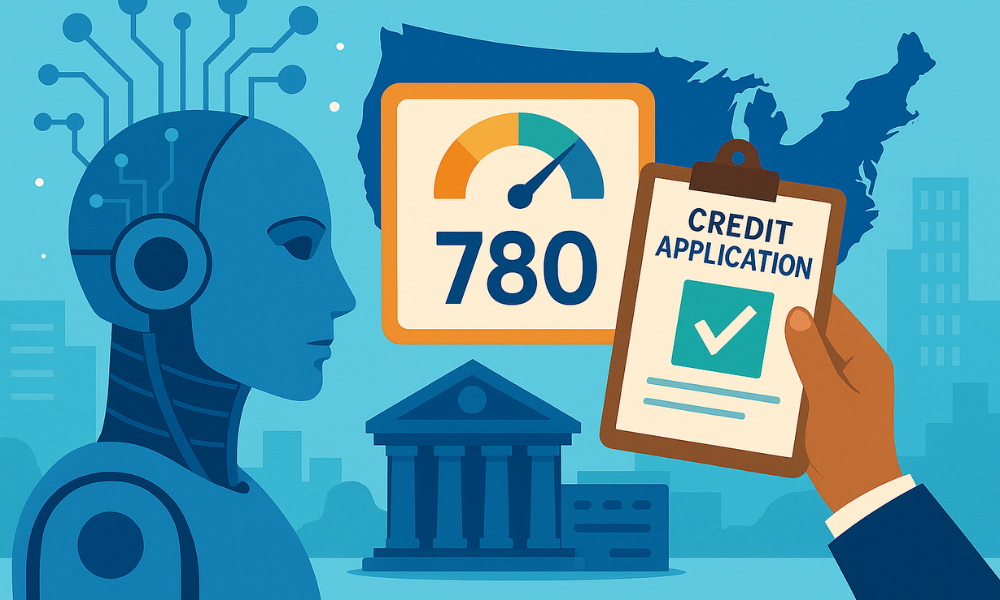

What impact will AI-driven underwriting have on credit access in the U.S.?
AI-driven underwriting is set to fundamentally reshape credit access in the U.S. by enhancing inclusivity and reducing processing times. This transformation primarily stems from AI’s ability to analyze diverse data sources beyond traditional credit scores, thereby broadening financial opportunities for many. Read on to discover how this technology could redefine your experience with credit.
Understanding AI-Driven Underwriting
Before diving into its impact, let’s first understand what AI-driven underwriting entails. Traditionally, human underwriters have been responsible for assessing an applicant’s ability to repay a loan by examining credit scores, income details, and employment history. AI takes this process a step further, employing sophisticated algorithms and machine learning to quickly sift through massive datasets with precision. Imagine a world where your purchasing habits and even your timely utility payments contribute to a holistic view of your creditworthiness.
How Does AI Work in Underwriting?
AI-driven underwriting utilizes a myriad of data sources to evaluate risk, such as:
- Credit history
- Social media activity
- Payment patterns
- Utility and rent payments
This integration of diverse data sets allows lenders to craft more nuanced profiles of potential borrowers, leading to faster approvals and a credit experience that feels tailor-made rather than one-size-fits-all. Have you ever wished for a quicker decision on a loan? AI can make that a reality by reducing waiting times from weeks to mere minutes.
The Benefits of AI in Credit Access
So, how will AI-driven underwriting revolutionize credit access in the U.S.? Here are several compelling benefits:
1. Greater Inclusivity
AI’s ability to parse through alternative data is a game changer for credit inclusivity, especially for those traditionally sidelined by conventional credit systems. Young adults, recent immigrants, or even freelancers often struggle with limited credit history. AI can bridge this gap by evaluating non-traditional credit factors, painting a fuller picture of an individual’s financial behavior. For instance, consistent bill payments or steady freelance income may now count positively towards credit assessments.
2. Faster Processing Times
In today’s fast-paced world, waiting for credit approval can feel like an eternity. AI significantly accelerates this process, offering real-time responses that are particularly crucial in scenarios like buying a home or securing a personal loan for an emergency. Imagine applying for a mortgage and getting approval within hours, allowing you to make a competitive offer without delay.
3. Reduced Bias
Bias in credit underwriting can often lead to unfair outcomes. AI addresses this by utilizing data-driven insights, reducing the reliance on subjective human judgment. This shift is particularly beneficial for minority communities and low-income applicants who have historically been disadvantaged. Yet, the question remains: can AI entirely eliminate bias, or does it merely shift the lens through which bias is viewed?
Potential Challenges to Consider
While AI offers promising advancements, it’s essential not to overlook the hurdles it presents:
1. Data Privacy
AI systems thrive on data, which naturally raises significant privacy concerns. Applicants must have confidence that their personal information is handled with the utmost care and security. With data breaches becoming alarmingly common, how can we ensure that AI-driven lenders prioritize privacy and confidentiality?
2. Algorithmic Transparency
The complexity of AI algorithms can often result in them being seen as « black boxes, » leaving borrowers in the dark about how their creditworthiness is determined. This opacity can lead to distrust and calls for clearer accountability. Hence, it is crucial for lenders to develop systems that are not only transparent but also communicative about how decisions are made.
3. Dependence on Technology
Relying heavily on AI brings its own set of risks. System failures or cyber-attacks could disrupt credit access on a large scale, underscoring the need for a balanced approach that combines AI efficiency with human oversight. Are we ready to let machines make pivotal financial decisions without a human safety net?
The Future of Credit Access
As AI technology continues to advance, its impact on credit access will likely expand. Here are some potential future scenarios:
1. Customized Lending Solutions
AI’s predictive capabilities could pave the way for lenders to offer products specifically tailored to an individual’s needs, enhancing customer satisfaction and potentially improving repayment rates. Imagine a world where your loan terms adapt to your financial behavior, rewarding you for good fiscal habits.
2. Improved Financial Literacy
The rise of AI in finance offers a unique opportunity for lenders to educate consumers about credit, promoting responsible borrowing habits. By helping borrowers understand the ins and outs of credit, AI could foster a more financially literate society.
3. Legislative Considerations
As AI-driven underwriting becomes mainstream, there may be a growing need for regulatory oversight to ensure ethical practices. New regulations could emerge, governing how AI systems operate and ensuring data is used appropriately. Will lawmakers manage to keep pace with rapid technological advancements?
AI-driven underwriting holds immense potential to transform credit access in the U.S. by making the process more inclusive, efficient, and fair. However, it’s essential to navigate the challenges that come with it, such as data privacy and algorithmic transparency. As consumers, it’s important to stay informed about these changes and advocate for practices that protect our rights. Keep an eye on how AI continues to evolve in the financial sector—it just might make your next loan application a lot easier!