
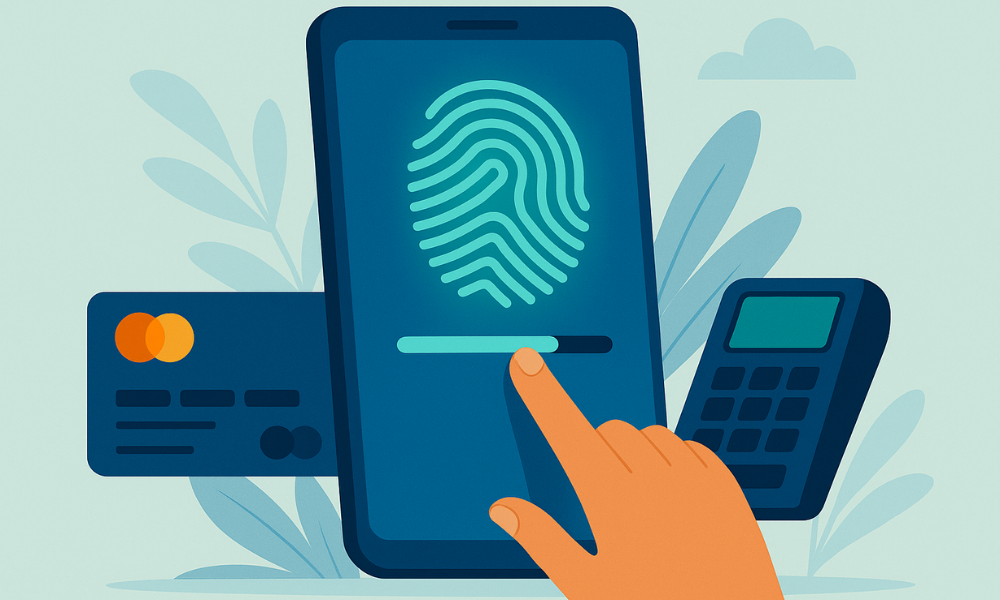

Will biometric authentication become the new standard for payments?
Biometric authentication is steadily paving its way to becoming the cornerstone of payment security due to its unparalleled ability to accurately verify identity through unique biological traits. This technology offers an effective response to increasing fraud concerns and promises to streamline transactions. Dive into the details to see how this innovation is redefining how we pay.
What is Biometric Authentication?
Biometric authentication leverages individuals’ distinct biological features to confirm their identity, ensuring a higher level of security. These features include:
- Fingerprint recognition
- Facial recognition
- Retina or iris scanning
- Voice recognition
By utilizing these intrinsic characteristics, biometric systems mitigate the risks associated with traditional authentication methods. Imagine the peace of mind knowing that your identity is verified by something as unique as your fingerprint or voice, which cannot be easily duplicated or lost.
The Current Landscape of Payment Methods
Today, consumers have a multitude of payment options at their fingertips, ranging from the traditional to the cutting-edge. While credit and debit cards remain prevalent, the digital age has introduced mobile wallets and cryptocurrencies into the mix. Each option presents its own set of advantages and limitations:
| Payment Method | Pros | Cons |
|---|---|---|
| Credit/Debit Cards | Widely accepted, easy to use | Risk of fraud, potential fees |
| Mobile Wallets | Convenient, quick transactions | Requires smartphone, not universally accepted |
| Cryptocurrencies | Decentralized, secure | Volatility, limited acceptance |
Even as digital wallets gain popularity for their speed and convenience, the threat of fraud persists across all these methods, highlighting the need for more secure alternatives.
Why Biometric Authentication?
So, what makes biometric authentication stand out in the realm of payments? Here are some compelling reasons that extend beyond just security:
1. Enhanced Security
Biometric authentication addresses the ever-growing issue of digital fraud with a robust shield of security. Unlike passwords or PINs, biometric data is not easily stolen or duplicated. The unique nature of biological markers means that even if your smartphone is misplaced, unauthorized access is much less likely.
2. Convenience
The convenience of biometric payments cannot be overstated. Picture this: entering a store, selecting your items, and completing the transaction with a simple glance or touch. No need for cards or remembering passwords. This ease of use can significantly enhance the shopping experience, making it more seamless and pleasant.
3. Reduced Risk of Fraud
Traditional security measures like passwords can be forgotten or compromised, but biometric data remains steadfastly personal. This inherent security feature makes it exceedingly difficult for fraudsters to exploit, marking a significant reduction in identity theft and unauthorized purchases.
Challenges Ahead
Despite its potential, biometric authentication faces several hurdles that need addressing before it becomes ubiquitous:
1. Privacy Concerns
The collection and storage of biometric data raise legitimate privacy concerns. People worry about their personal data being misused or inadequately protected. Building trust through stringent data protection measures and transparent usage policies will be crucial in alleviating these fears.
2. Technology Integration
For biometric payments to become widespread, businesses must adopt the necessary technologies. This requirement poses a challenge, especially for small businesses with limited resources. The transition necessitates investment in new hardware and software, which could slow down adoption rates.
3. Public Acceptance
As with any new technology, public acceptance is a gradual process. Younger generations may readily embrace biometric payments, whereas older generations might be more cautious. Education and awareness campaigns can play a pivotal role in easing apprehensions and facilitating smoother transitions.
Current Examples of Biometric Payments
Several companies are already integrating biometric systems into their payment processes, showcasing its practicality:
- Apple Pay: Utilizes Face ID and Touch ID for secure transactions, offering both safety and simplicity.
- Samsung Pay: Implements fingerprint authentication, providing a quick and efficient payment solution.
- Amazon Go: Pioneers a cashier-less shopping experience with a blend of facial recognition and additional biometric data.
These examples illustrate the potential of biometric payments in delivering a frictionless and secure shopping experience.
The Future of Biometric Payments
As technology continues to evolve, it’s likely that biometric authentication will become more integrated into everyday transactions. Here are some developments we can anticipate:
- Greater adoption by retailers as the demand for secure payment methods increases.
- Establishment of global standards for biometric data security to ensure consistent protection.
- Innovations leading to new forms of biometric payments, such as heartbeat or gait recognition, offering even more options for secure authentication.
Conclusion: Embracing the Change
Biometric authentication holds the promise of transforming the payment ecosystem by offering enhanced security, improved convenience, and reduced fraud risk. However, its success hinges on addressing privacy, technological, and public acceptance challenges.
As advancements in biometric technology continue, staying informed and adaptable will be key. Whether you’re a consumer or a business owner, embracing these changes can lead to safer and smoother transactions. So, keep an eye on this space—biometric payments might just be the next big thing!