
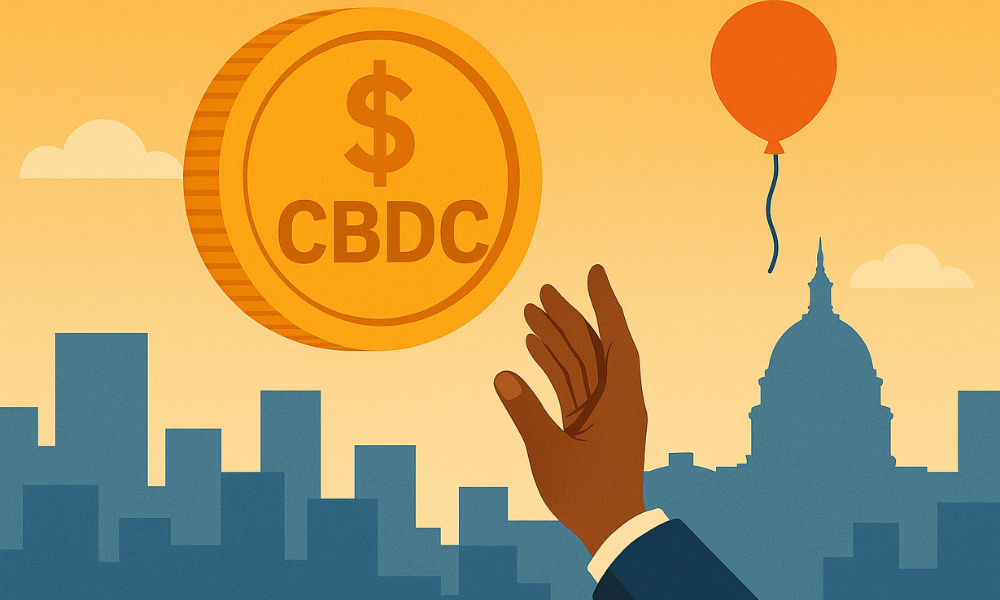

Will Central Bank Digital Currencies (CBDCs) Ever Gain Traction in the U.S.?
Central Bank Digital Currencies (CBDCs) represent a transformative shift in how financial systems operate, with the potential to significantly impact the U.S. economy. While the U.S. has yet to officially adopt a CBDC, the idea is under serious consideration as it promises enhanced efficiency, financial inclusion, and improved monetary policy control. Read on to explore the complexities and details of how CBDCs could reshape the financial landscape in America.
What Are CBDCs?
Central Bank Digital Currencies are essentially digital versions of a nation’s currency, issued and overseen by the central bank. Unlike the decentralized nature of cryptocurrencies like Bitcoin, CBDCs are managed by government authorities, ensuring a more stable and regulated financial environment. This centralized control is crucial for maintaining public confidence, something that cryptocurrencies often struggle with. Imagine a world where your digital wallet is as trusted as your local bank, but with the convenience of seamless digital transactions.
The Growing Interest in CBDCs
The momentum behind CBDCs has been gaining steam, fueled by several compelling factors:
- Technological advancements: The rapid evolution of digital payment systems and blockchain technology has made the infrastructure for CBDCs more feasible than ever before. Just think of how quickly contactless payments have become mainstream; CBDCs could follow a similar trajectory.
- Financial inclusion: By offering banking services via digital means, CBDCs could bridge the gap for millions who remain unbanked. In countries where geography or infrastructure limits access to traditional banks, a CBDC could be a game-changer.
- Efficient transactions: Digital currencies offer the promise of faster, cheaper cross-border transactions, which could revolutionize how businesses operate globally. Imagine settling international invoices in seconds rather than days.
Benefits of CBDCs
Adopting CBDCs in the U.S. could unlock several key advantages:
1. Enhanced Financial Inclusion
CBDCs have the potential to greatly enhance financial inclusion by making banking accessible through digital platforms like smartphones. For the millions of unbanked individuals, this could mean a significant leap in economic participation and financial literacy. Consider rural areas where traditional banks are miles away; a CBDC could bring banking to their fingertips.
2. Improved Payment Efficiency
By streamlining payment processes, CBDCs can reduce both the time and cost associated with transactions. In a world where time is money, especially in a globalized economy, the ability to transact quickly can give businesses a competitive edge. Imagine paying your overseas supplier in real time, without the usual banking delays.
3. Greater Monetary Policy Control
Central banks could wield CBDCs as a precise tool for monetary policy, influencing economic behavior by adjusting interest rates on digital holdings. During economic downturns, such targeted measures could help stabilize the economy more effectively than traditional means. It’s about having the right tools for the right times.
Potential Challenges of CBDCs
Despite the allure of CBDCs, they come with their own set of challenges:
1. Privacy Concerns
With every transaction potentially traceable, privacy remains a significant concern with CBDCs. The balance between ensuring transparency and respecting individual privacy will be a tightrope for policymakers to walk. How much oversight is too much when it comes to your financial life?
2. Impact on Traditional Banking
The shift to CBDCs could disrupt traditional banking, potentially reducing deposits as people opt for digital currency holdings. This shift could affect banks’ abilities to lend, prompting the need for a rethinking of banking regulations and practices. Banks might need to innovate to adapt to this new normal.
3. Cybersecurity Risks
Security is paramount in any digital system, and CBDCs are no exception. The risk of hacking or fraud is a real threat that could undermine public trust. Significant investments in robust cybersecurity measures will be essential to safeguard against these threats. Think of it as fortifying a digital fortress.
Current Status of CBDCs in the U.S.
The U.S. has yet to launch a CBDC, but the Federal Reserve is actively exploring the concept. In 2021, they released a discussion paper delving into the possible benefits and risks of a digital dollar. This marked a step towards understanding public sentiment and aligning technological research to policy needs.
International Developments
Globally, several countries are making strides with their own CBDCs:
- China: The People’s Bank of China has been testing its digital yuan across various cities, marking significant milestones in its development. Their progress could serve as a blueprint for others.
- Sweden: The Riksbank’s trials with the e-krona aim to explore its role in a society moving away from cash. They’re asking the crucial question: Can a digital currency truly replace physical money?
- Bahamas: Launched in 2020, the Sand Dollar is one of the first fully operational CBDCs, designed to enhance financial inclusion across the islands. It’s a small-scale experiment with potentially large-scale implications.
The Future of CBDCs in the U.S.
Will CBDCs gain a foothold in the U.S.? While the future is uncertain, several dynamics could influence this trajectory:
- Public interest: As digital payments become part of daily life, the demand for a secure, efficient CBDC may rise. Could this be the next step in our digital evolution?
- Technological advancements: Ongoing advancements in digital payment infrastructure will be vital for any successful CBDC rollout. The technology needs to be as ready as the public.
- Regulatory frameworks: Developing comprehensive regulations that address privacy, security, and banking concerns will be essential. The question remains: Can the U.S. lead the way in setting a global standard?
In conclusion, CBDCs hold the promise of transforming the financial system in the United States, offering enhanced financial inclusion, improved payment processes, and greater control over monetary policy. However, addressing privacy issues, potential banking disruptions, and cybersecurity threats is crucial for gaining public trust and acceptance. The future of CBDCs in the U.S. is still unfolding, and the Federal Reserve’s ongoing discussions suggest we’re on the cusp of significant change. As technology and consumer habits continue to evolve, the role of CBDCs in shaping the financial landscape will be a fascinating development to watch. If you’re intrigued by the future of money, this is a story you’ll want to follow closely!