
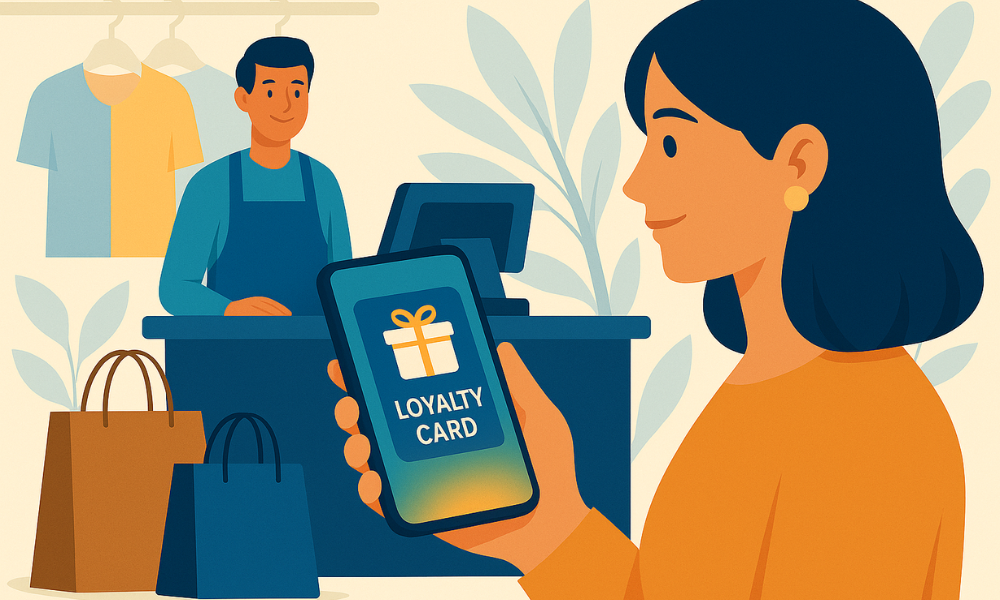

Are loyalty programs still effective in retaining modern consumers?
Loyalty programs remain a powerful tool for businesses aiming to retain customers, provided they are well-designed and cater to the evolving demands of today’s consumers. While modern shoppers are more discerning and tech-savvy, loyalty programs that offer tangible rewards and personalized experiences continue to thrive. Delve into the details below to discover how these programs can still win over the hearts of contemporary consumers.
The Evolution of Loyalty Programs
Loyalty programs have witnessed a fascinating transformation over the years. They began as humble punch cards at small local businesses, offering a free coffee or grocery item after a set number of purchases. Such a simple mechanism worked wonders in fostering consumer loyalty. Fast forward to today, and these programs have embraced technology to become sophisticated marketing tools. Now, they often include mobile app integrations, personalized experiences, and a myriad of reward options ranging from discounts to exclusive event access. These technological advancements aim to align with the digital habits of modern consumers. Yet, does this evolution effectively keep pace with consumer expectations?
Understanding Modern Consumers
Today’s consumers are a distinctive lot—tech-savvy, well-informed, and possessing heightened expectations. They navigate a landscape where value, convenience, and personal experiences take precedence. This generation of shoppers is not easily swayed by empty promises. They want meaningful interactions and tangible benefits. For instance, they appreciate feeling valued through personalized communications and offers that resonate with their unique lifestyles.
- Value-Driven: Modern shoppers seek more than a transaction; they desire added value and rewards that reflect their loyalty.
- Convenience: A seamless shopping journey, whether online or offline, is pivotal for retaining their attention.
- Personalization: Tailored experiences that acknowledge their preferences make them feel appreciated and understood.
Given these consumer characteristics, the real question is whether traditional loyalty programs can still captivate this audience.
The Effectiveness of Loyalty Programs Today
What Works
Despite the evolving marketplace, many loyalty programs continue to thrive because they fulfill core consumer needs. Successful programs cleverly balance rewards with meaningful engagement. For instance, the allure of earning points that can be converted into rewards remains a strong motivator for repeat visits and brand loyalty.
- Rewards Matter: The thrill of accumulating points or rewards for purchases keeps consumers engaged and coming back for more.
- Exclusivity: Special perks such as early access to sales or members-only events enhance the feeling of being valued.
- Social Proof: When consumers see their peers benefiting from a program, it often sparks interest and participation.
Challenges Faced
However, loyalty programs are not without their hurdles. Today’s market is saturated with numerous options, often leading to consumer overwhelm and disengagement. Moreover, if a program is too convoluted or requires excessive effort to reap rewards, consumers may quickly lose interest and move on.
- Saturation: The sheer volume of available loyalty programs can cause consumers to become indifferent or selective.
- Complexity: Programs that are not intuitive or require multiple steps to earn rewards risk losing consumer interest.
- Short Attention Spans: With so many distractions, it’s easy for consumers to forget about programs that don’t consistently engage them.
Successful Examples of Modern Loyalty Programs
To illustrate the potential efficacy of loyalty programs, let’s examine a few standout examples that have successfully navigated the modern consumer landscape:
Starbucks Rewards
Starbucks has perfected the loyalty program model with its Starbucks Rewards. Customers earn stars for each purchase, which can be redeemed for free drinks or food—perfect for coffee lovers. The app also enhances engagement by offering personalized recommendations, making each visit a unique experience.
Amazon Prime
Although not a conventional loyalty program, Amazon Prime exemplifies how offering unparalleled value can secure consumer loyalty. With perks such as free shipping, exclusive deals, and access to streaming services, Amazon creates an ecosystem that’s hard to resist.
Sephora’s Beauty Insider
Sephora’s Beauty Insider program thrives on tiered rewards, allowing customers to earn points for purchases which can be redeemed for exclusive products and experiences. This approach not only incentivizes spending but also fosters a sense of achievement and progression among customers.
Tips for Businesses to Enhance Loyalty Programs
For businesses eager to revamp their loyalty programs, here are some actionable strategies to consider:
- Simplify the Process: Make the program easy to join and navigate, ensuring that customers can start benefiting with minimal effort.
- Personalize Offers: Use consumer data to tailor rewards and communications, making each interaction feel special and relevant.
- Engage Through Multiple Channels: Keep customers informed and engaged using social media, email, and mobile apps to maintain visibility.
- Solicit Feedback: Regularly seek customer input on the program and be willing to make adjustments based on their feedback for continuous improvement.
Ultimately, while loyalty programs can still be effective for retaining modern consumers, they must evolve to meet the changing landscape. By recognizing consumer behavior, simplifying protocols, and delivering personalized rewards, businesses can craft loyalty programs that truly resonate with today’s shoppers. Whether you’re a consumer pondering the benefits of joining a loyalty program or a business contemplating its implementation, remember that the key lies in focusing on value and engagement. So, explore the loyalty programs of your favorite brands—you might be pleasantly surprised by what they offer!