
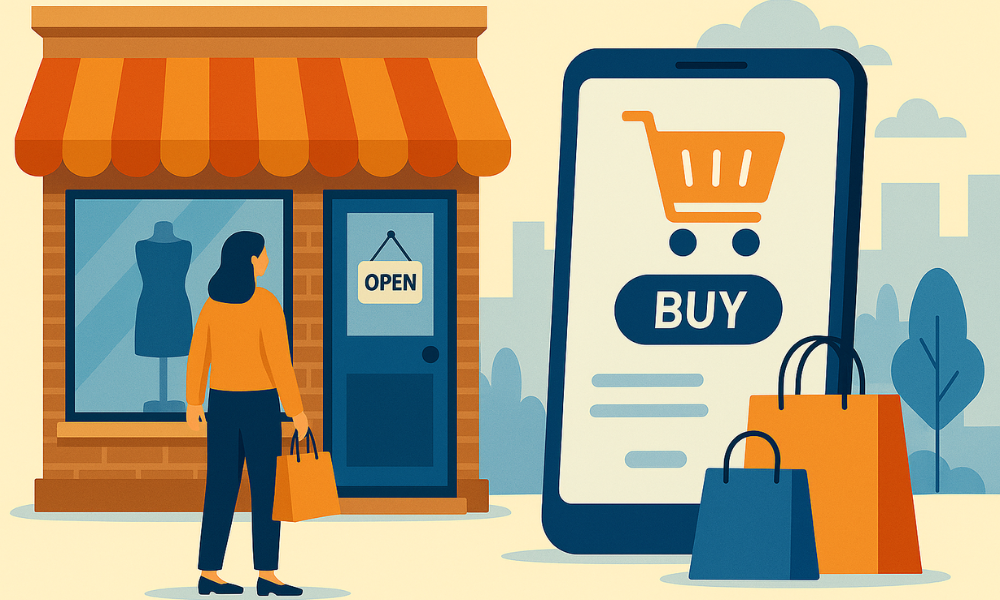

How Can Brick-and-Mortar Stores Remain Relevant in the E-Commerce Era?
Brick-and-mortar stores can maintain their relevance in the age of e-commerce by strategically embracing an omnichannel approach, creating unique in-store experiences, leveraging technology, and engaging with their communities. By adapting to these modern strategies, physical retailers can not only survive but thrive despite the rise of online shopping. To understand how these elements work together to secure success, read on for a deeper dive into each approach.
Embrace the Omnichannel Approach
Consumers today seamlessly transition between online and in-store shopping. For brick-and-mortar stores, adopting an omnichannel approach is crucial. This approach ensures a smooth customer experience regardless of the shopping medium. For instance, offering a « Click and Collect » option allows customers to order online and pick up in-store, which can increase foot traffic and offer customers the chance to explore more products in person. Furthermore, linking your online and physical inventories provides real-time stock updates, ensuring customers always know what’s available. Offering customer support through social media or dedicated website chat can also enhance the shopping experience before the customer even enters the store, setting the stage for a successful visit.
- Click and Collect: Allow customers to order online and pick up in-store. This not only drives foot traffic but also gives customers the chance to explore your store and discover additional items they might need.
- Unified Inventory: Ensure that your online and physical inventories are linked. This way, customers can see what’s available in real-time, no matter where they shop, reducing frustration and increasing satisfaction.
- Online Customer Service: Offer customer support through social media or a dedicated chat on your website to assist customers before they even step foot in your store. This proactive approach can significantly enhance customer trust and loyalty.
Create Unique In-Store Experiences
Physical stores have a unique advantage: they can offer tangible, memorable experiences that online shopping simply can’t replicate. Hosting events and workshops, for example, can turn a store visit into an engaging community event. Imagine a local bookstore hosting an author signing or a craft store organizing a hands-on DIY session. These activities not only attract visitors but also foster a sense of belonging and community. Additionally, interactive displays featuring augmented reality or touchscreens can captivate customers, offering a dynamic way to interact with products. Personalized customer service further elevates the experience — when staff are trained to genuinely engage and offer tailored recommendations, it leaves a lasting, positive impression.
Host Events and Workshops
Consider hosting events like product launches, workshops, or community gatherings. This approach not only draws people in but also creates a sense of community. For example, a local bookstore could host author signings or book clubs, offering an intimate space for literary discussion, while a craft store could provide hands-on DIY workshops that empower customers to create and learn.
Interactive Displays
Interactive displays can engage customers and encourage them to explore your products. Think about incorporating technology like augmented reality or touchscreens where customers can learn more about your products or see them in action. These displays can transform shopping from a chore into an adventure, providing informative and entertaining insights into your offerings.
Personalized Customer Service
Providing exceptional customer service can set your store apart. Train your staff to engage with customers, offer personalized recommendations, and create a welcoming atmosphere. When customers feel valued, they are not only more likely to return but also to recommend your store to friends and family, thus organically expanding your customer base.
Utilize Technology Wisely
Harnessing technology can be a game-changer for brick-and-mortar stores. Mobile apps, for instance, offer a direct line to customers, notifying them about sales and tracking their loyalty rewards. A robust loyalty program can motivate customers to visit more frequently, turning occasional shoppers into regulars. Social media, another powerful tool, serves as a vibrant platform to showcase your store’s personality — share behind-the-scenes glimpses, customer stories, or exclusive promotions. In-store technology like kiosks or mobile checkout options reduces wait times and enhances convenience, encouraging more spontaneous purchases and improving overall satisfaction.
Mobile Apps and Loyalty Programs
Consider developing a mobile app that allows customers to browse products, receive notifications about sales, and access loyalty rewards. These programs incentivize customers to visit your store more frequently and make repeat purchases, building a strong, loyal customer base.
Social Media Integration
Use social media to promote your store and connect with your audience. Share behind-the-scenes content, customer testimonials, and special promotions. Encourage customers to tag your store in their posts to increase visibility, thereby growing your digital footprint and attracting new customers.
In-Store Technology
Implementing in-store technology, such as kiosks or mobile checkout options, can streamline the shopping experience. This not only reduces wait times but also enhances convenience, making it easier for customers to make purchases. Embracing these innovations can significantly improve customer satisfaction and operational efficiency.
Focus on Community Engagement
Building a loyal customer base often starts with community engagement. Partnering with local businesses for cross-promotions or joint events can be mutually beneficial, tapping into shared customer bases and strengthening community ties. Supporting local causes and charities can also bolster your store’s reputation, drawing in customers who appreciate businesses that give back. Organizing fundraisers or donating a portion of your sales to local initiatives demonstrates a commitment to the community, fostering goodwill and loyalty.
Partner with Local Businesses
Collaborate with other local businesses to create cross-promotions or joint events. This can help you tap into each other’s customer bases and strengthen community ties, providing mutual benefits and enriching the local business ecosystem.
Support Local Causes
Aligning your store with local charities or causes can boost your reputation and attract customers who value community support. Consider organizing fundraisers or donating a portion of sales to local initiatives. These actions speak volumes about your business’s values and commitment to the community, setting you apart from competitors who may overlook these opportunities.
Leverage the Power of Personalization
Personalization is a powerful trend in retail, offering a significant edge to those who master it. By tailoring the shopping experience to individual preferences, brick-and-mortar stores can significantly enhance customer satisfaction. Training staff to ask insightful questions and offer personalized recommendations can lead to increased sales and customer loyalty. Utilizing customer data to send targeted promotions or personalized messages also strengthens this relationship. If a customer frequently purchases a particular brand, sending them exclusive discounts or early access to new products can make them feel valued and appreciated, encouraging them to return.
Personalized Recommendations
Train your staff to ask questions and make personalized recommendations based on customer preferences. This approach not only leads to increased sales and repeat visits but also enhances the overall customer experience, making each visit feel unique and tailored to the individual’s needs.
Customized Marketing
Utilize customer data to send targeted promotions or personalized messages. For instance, if a customer frequently buys a particular brand, send them exclusive discounts or early access to new products. This level of personalization can significantly increase customer loyalty and satisfaction, setting your store apart in a competitive market.
Brick-and-mortar stores face challenges in the e-commerce era, but with the right strategies, they can not only survive but thrive. By embracing an omnichannel approach, creating unique in-store experiences, leveraging technology, engaging with the community, and focusing on personalization, physical retailers can carve out their niche in the digital age.
So, if you own or manage a brick-and-mortar store, it’s time to rethink your approach. Adapt to the changing landscape, and you’ll not only retain your relevance but also build a loyal customer base that values the unique experiences you offer. Now, get out there and start making those changes!