

How can retailers create a seamless omnichannel shopping experience?
Retailers can achieve a seamless omnichannel shopping experience by integrating all customer touchpoints, ensuring fluid transitions between online, in-store, and mobile platforms. This involves using unified customer data, consistent branding, and advanced technology. Dive into the full article to explore detailed strategies that will enhance customer satisfaction and loyalty.
Understanding Omnichannel Retailing
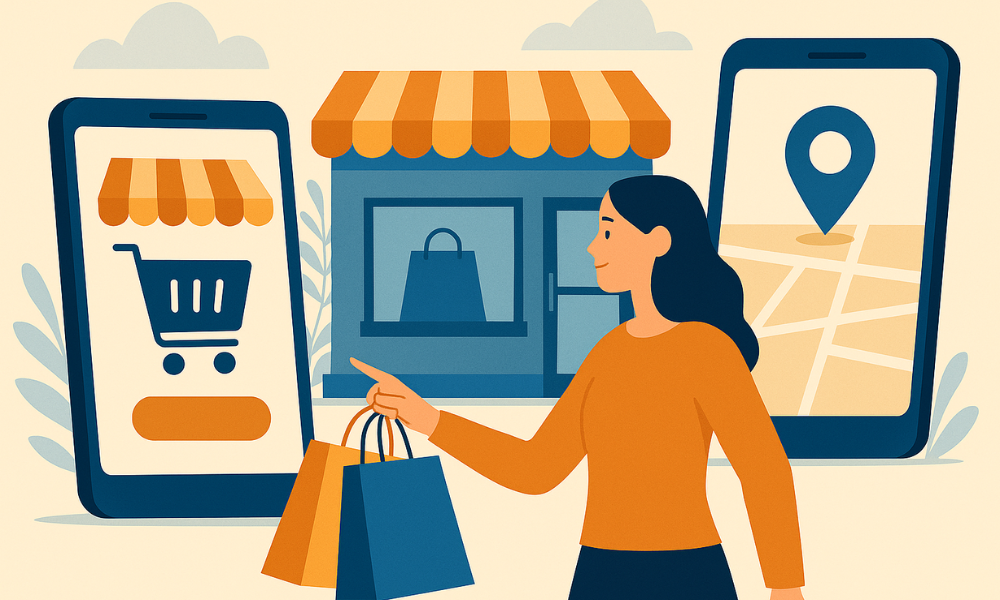
Before delving into strategies, it’s crucial to grasp what omnichannel retailing truly entails. This approach is about crafting an integrated shopping journey for your customers, regardless of whether they’re browsing your website, visiting a physical store, or using your mobile app. The key is to make these channels seamlessly interlinked, allowing customers to move effortlessly between them. Imagine a customer finding a product online, checking its availability on their phone, and picking it up in-store. It’s all about creating that harmonious rhythm.
The Importance of a Seamless Experience
A seamless omnichannel experience is vital for a variety of reasons:
- Customer Satisfaction: Consistency breeds contentment. When customers receive the same high-quality experience across all platforms, their satisfaction naturally increases. Think of it as meeting a customer’s expectations at every turn.
- Increased Sales: By making the transition between channels easy, you lower the barriers to purchase. Imagine a customer browsing on their lunch break and completing their transaction at home—it’s frictionless!
- Brand Loyalty: A positive experience leaves a lasting impression. By delighting customers with convenience and personalization, you’re cultivating loyalty that leads to repeat business.
Key Strategies for Creating a Seamless Omnichannel Experience
1. Unified Customer Data
To deliver a seamless experience, retailers must maintain a comprehensive view of customer data across all channels. This involves integrating data from online transactions, in-store visits, and customer service interactions into a single platform. For instance, if a customer called with a query last week, your sales team should have access to that information when they visit the store. This holistic view allows retailers to decipher customer preferences and personalize their offerings effectively.
2. Consistent Branding
Brand consistency is a cornerstone of a cohesive customer experience. Your logo, color palette, and brand messaging should be instantly recognizable, whether customers are engaging with your email newsletter or walking into your flagship store. This consistency strengthens brand recognition, making it easier for customers to trust and engage with your brand over time. Picture your brand as a familiar friend; consistency assures customers they’re in the right place.
3. Integrated Technology Solutions
Investing in the right technology is essential for streamlining operations. A robust point of sale (POS) system that links seamlessly with online platforms can revolutionize your sales process. Additionally, employing customer relationship management (CRM) tools ensures smooth management of customer interactions. For instance, if a customer makes a return in-store, your POS system should instantly update their online account—no questions asked. This kind of integration is key to maintaining a fluid shopping experience.
4. Personalization and Recommendations
Personalization is the cherry on top of a great shopping experience. By using data analytics, you can delve into customer behavior and preferences, allowing you to offer recommendations and promotions that truly resonate. Imagine sending a personalized discount on a customer’s birthday or recommending products based on their purchase history. These thoughtful touches show customers you value them as individuals, not just numbers.
5. Flexible Fulfillment Options
Offering a variety of fulfillment options significantly enhances the shopping experience. Consider the convenience of:
- Buy Online, Pick Up In-Store (BOPIS): This option lets customers shop online and collect their purchases at a nearby store location, combining the ease of online shopping with the immediacy of in-store pickup.
- Same-Day Delivery: Providing fast delivery services can be a major advantage for time-pressed consumers, who appreciate getting their hands on purchases without delay.
- Easy Returns: Simplifying the return process can increase customer trust and encourage more frequent purchases, knowing they can easily exchange or return items if needed.
6. Engage on Social Media
Social media is a powerful tool for modern retailers, offering a direct line to engage with your audience. Platforms like Instagram, Facebook, and TikTok aren’t just for sharing promotions; they’re ideal for gathering feedback and building a community around your brand. Imagine hosting a live Q&A session on Instagram to discuss a new product launch. This engagement doesn’t just drive traffic—it fosters a sense of belonging among your customers.
7. Train Your Staff
Your employees are the frontline representatives of your brand. It’s crucial they’re well-trained and knowledgeable about the products and services you offer across all channels. This empowers them to assist customers effectively, whether they’re fielding questions online, over the phone, or in-person. Proper training ensures every customer interaction is positive and informative, reinforcing their decision to choose your brand.
Measuring Success in Omnichannel Retailing
Creating a seamless omnichannel experience isn’t a one-time effort; it requires continuous monitoring and refinement. Consider these metrics to gauge success:
- Customer Engagement: Track the frequency and depth of customer interactions across different channels to understand how engaged they are with your brand.
- Sales Conversion Rates: Measure the percentage of visitors who convert to paying customers, comparing online and in-store performance to identify trends and opportunities for improvement.
- Customer Feedback: Use surveys and reviews to gather insights into customer satisfaction and identify areas that may need enhancement. Listening to your customers is key to refining their experience.
Ultimately, crafting a seamless omnichannel shopping experience is essential for retailers aiming to excel in today’s competitive landscape. By leveraging technology, understanding and utilizing customer data, and ensuring consistency across all channels, retailers can significantly boost customer satisfaction and drive sales. Remember, the ultimate goal is to make shopping as enjoyable and convenient as possible. So, if you’re a retailer, now’s the perfect time to embrace the omnichannel approach and watch your business thrive!