

What New Store Formats Could Dominate the Next Decade?
As the retail landscape transforms at breakneck speed, experiential stores, pop-up concepts, and sustainable practices are set to redefine shopping in the coming decade. These innovative formats, driven by tech advancements and shifting consumer demands, promise to revolutionize how we shop. Dive deeper to explore the nuances of these transformations and discover how they might reshape our retail experiences.
The Rise of Experience-Driven Retail
Today’s shopping experience is less about the transaction and more about the journey. Modern consumers are seeking connections and memorable moments. Retailers are responding by crafting spaces that captivate and engage. Imagine walking into a store where each corner offers a new discovery, from interactive displays that showcase the story behind a product to ambient music that sets the mood. These stores are not just about selling; they transform buying into a unique adventure.
What Does Experience-Driven Retail Look Like?
Picture a space where browsing feels like an event. You might find a corner dedicated to DIY workshops, allowing you to learn and engage hands-on with the products. Or perhaps a cozy section adorned with plush seating, where customers can sip on artisan coffee while contemplating their next purchase. This trend is about forging memories, and every touchpoint is designed to enrich the shopping experience.
- Interactive Displays: Imagine a digital canvas that changes as you touch it, allowing you to explore product features with a simple swipe or tap.
- Workshops and Classes: Retail spaces transform into educational venues where experts guide customers through intricate product uses and hacks.
- Community Spaces: Stores aren’t just for shopping; they’re becoming hubs for gathering, where people can connect over shared interests.
Pop-Up Stores: The Future of Temporary Retail
Pop-up stores are the epitome of innovation, offering brands a chance to surprise and engage consumers in fresh ways. These temporary setups can create a buzz that lingers long after the store has closed its doors. Think of a brand launching a limited-edition product in an iconic area, transforming a once mundane space into a vibrant hotspot. The allure lies in their fleeting nature, making each visit feel like a prized opportunity.
Why Are Pop-Up Stores So Effective?
The charm of pop-ups lies in their transient nature. These stores thrive on the principle of scarcity, prompting immediate action from consumers. The buzz isn’t just local; social media plays a key role in amplifying these unique experiences, turning them into viral sensations. For brands, pop-ups offer a versatile testbed for new ideas without a hefty commitment.
- Limited-Time Offers: The countdown to closing creates a sense of urgency that pulls in curious shoppers hoping to seize the moment.
- Brand Experimentation: It’s a sandbox for creativity, where bold ideas can be trialed without the risk of long-term repercussion.
- Social Media Buzz: Eye-catching installations and exclusive events become instant shareable moments, spreading word-of-mouth digitally.
Sustainable Retail: A Necessity for the Future
As consumers grow increasingly aware of environmental issues, sustainability in retail has shifted from a trend to a necessity. Retailers are stepping up, not just with eco-friendly products, but with practices that make a genuine difference. From sourcing materials responsibly to reducing energy footprints, the aim is to cater to a more conscious shopper. It’s about weaving sustainability into the very fabric of the retail model.
What Does Sustainable Retail Involve?
Sustainable retail is as much about the process as it is about the product. When you step into a sustainable store, you might notice the use of reclaimed materials in the décor or energy-efficient lighting. Some stores even offer programs where you can return used items for recycling, closing the loop of consumption.
- Eco-Friendly Products: These items tell a story of mindful production, highlighting materials that respect our planet.
- Recycling Programs: Initiatives that offer incentives for returning used goods, encouraging consumers to think beyond disposal.
- Energy-Efficient Stores: Retail environments harnessing renewable power sources, with smart systems that reduce waste and optimize energy use.
Omni-Channel Retail: Seamless Shopping Experiences
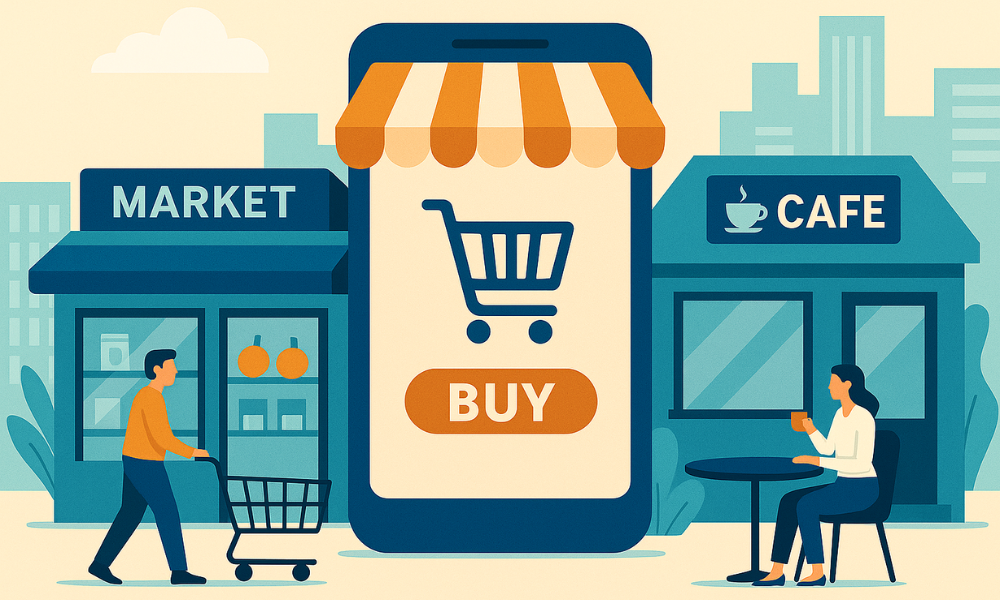
The future of retail is all about integration. Omni-channel strategies ensure that whether you’re shopping online, in-store, or via an app, your experience remains consistent and fluid. Imagine starting your shopping journey on your phone during a coffee break and seamlessly continuing it in-store during lunch. This holistic approach not only enhances convenience but also deepens brand loyalty.
Benefits of Omni-Channel Retail
Omni-channel retail isn’t just a buzzword; it’s a strategic advantage. By unifying multiple shopping platforms, retailers can offer unparalleled service. This approach helps streamline inventory management and provides valuable insights into customer preferences, allowing for more tailored marketing efforts.
- Increased Customer Satisfaction: With the power to shop on their terms, customers enjoy a hassle-free experience that meets their needs.
- Improved Inventory Management: Streamlined systems that track products across channels help reduce excess stock and out-of-stocks.
- Enhanced Customer Insights: Data collected from different touchpoints helps brands tailor their strategies to meet evolving consumer demands.
Technology-Driven Stores: The Future is Now
Technology is reshaping retail, making once fantastical concepts a reality. Today’s stores are incorporating sophisticated systems, from AI-driven recommendations to intelligent checkout solutions. These innovations are not just about efficiency; they’re about transforming how consumers interact with brands. Imagine a store where a virtual assistant greets you by name and suggests products based on your past purchases, creating a personalized shopping experience.
Examples of Technology in Retail
The tech advancements in retail are not just futuristic fantasies; they’re here, improving how we shop. Picture using a smart cart that guides you through the store, ensuring you never miss an item on your list. Or consider augmented reality stations where you can see how a piece of furniture looks in your living room before buying.
- AI-Powered Recommendations: These tools analyze your shopping patterns to offer suggestions that feel almost intuitive.
- Smart Carts: Equipped with GPS and product locators, these carts transform a simple grocery run into a seamless experience.
- Virtual Try-Ons: Augmented reality mirrors that let you experiment with styles and sizes without stepping into a changing room.
Conclusion: Embracing Change in Retail
The retail sector is on the precipice of a revolution, and those who embrace these changes will thrive. From creating unforgettable experiences to integrating sustainable practices, the future promises more engaging, efficient, and environmentally friendly shopping experiences. Both retailers and consumers stand to benefit from these innovations, making now the perfect time for everyone involved to lean into this exciting evolution.
Whether you’re a shopper eager for new adventures or a retailer ready to innovate, these trends offer a glimpse into the next chapter of retail. So, keep your eyes open and prepare to embrace the stores of tomorrow, where every visit promises to be a new discovery.