
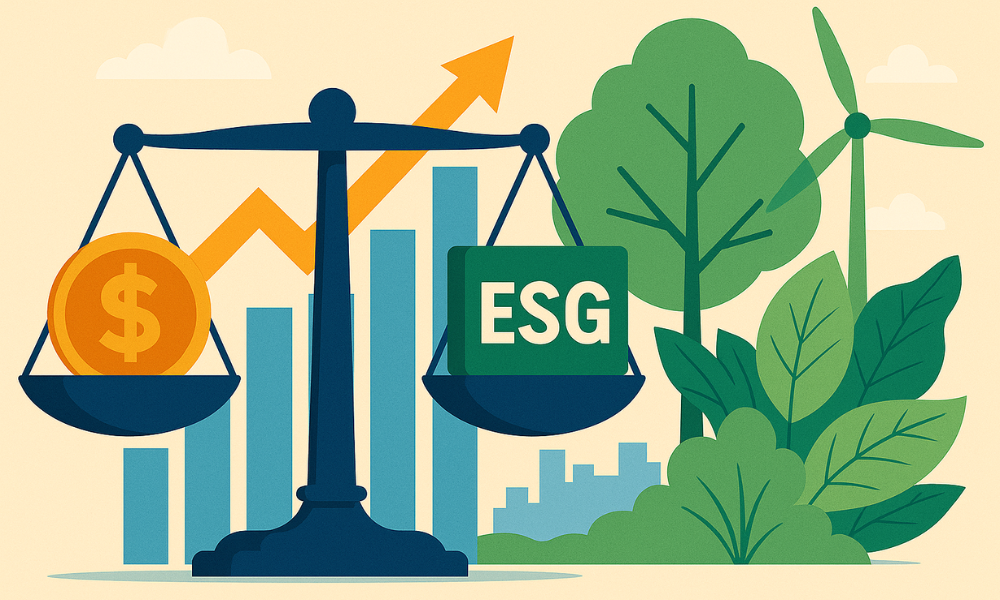

Are ESG Investments Delivering Real Financial Value?
ESG investments often match, and sometimes surpass, the financial returns of traditional investments, while aligning with ethical principles. Studies have demonstrated that companies with strong ESG practices can achieve robust financial performance, thanks to effective risk management and tapping into changing consumer preferences. Read on to delve into the specific factors driving this trend and the challenges that come with it.
Understanding ESG Investments
To grasp the potential of ESG investments, it’s crucial to understand their core components. ESG stands for Environmental, Social, and Governance, representing the three pillars used to evaluate companies. Each factor focuses on different aspects of sustainability and ethical practices. For example, the environmental criterion assesses a company’s impact on the planet through its energy consumption, pollution levels, and resource management. A company with sustainable waste management practices, such as recycling and minimizing carbon emissions, typically scores high on this factor.
- Environmental: This considers how a company manages its ecological footprint, including energy consumption, greenhouse gas emissions, and waste management. A company minimizing its carbon footprint through renewable energy sources exemplifies strong environmental stewardship.
- Social: This criterion evaluates the company’s relationships with employees, customers, and communities. For instance, companies that offer robust health benefits and foster inclusivity often perform well on the social scale.
- Governance: This aspect examines corporate governance structures, such as board diversity and transparency in executive compensation. Companies with a transparent management team and diverse leadership typically excel here.
Investors often gravitate towards ESG funds as they resonate with personal values and ethical considerations. However, beyond the moral satisfaction, financial returns remain a critical factor when considering these investments.
The Financial Performance of ESG Investments
Investors frequently question whether integrating ESG criteria might compromise financial performance. However, a growing body of research suggests otherwise, painting a promising picture for ESG investments.
Research Findings
Research consistently indicates that ESG investments can match or even outperform traditional portfolios. Consider these findings:
- A 2020 report from the Morgan Stanley Institute for Sustainable Investing highlighted that sustainable equity funds outpaced their conventional counterparts by 4.3% in the first half of 2020. This suggests that sustainability-minded funds can not only weather economic downturns but potentially thrive in them.
- Research from the University of Oxford revealed that firms with robust sustainability practices experienced reduced volatility and enjoyed a lower cost of capital. Such companies often attract investors looking for stability and lower risk exposure.
The evidence is clear: ethical investing doesn’t necessarily mean sacrificing returns. In fact, companies committed to ESG principles are often better positioned for long-term financial success.
Factors Contributing to ESG Success
What exactly fuels the financial viability of ESG investments? Several key elements contribute to their success:
1. Risk Management
Companies prioritizing ESG factors often excel in risk identification and management. For instance, firms that proactively address environmental concerns can avoid costly penalties and reputational harm. Imagine a company that invests in sustainable infrastructure to prevent environmental hazards. Such foresight can lead to more stable financial outcomes and a favorable public image.
2. Changing Consumer Preferences
Todays’ consumers are increasingly selective, favoring brands that demonstrate commitment to ethical practices. Companies with strong ESG credentials often experience enhanced brand loyalty and can command premium prices for their products. Consider the boom in demand for organic and fair-trade products, which shows how consumer preferences are shifting towards sustainability.
3. Long-Term Focus
ESG investors typically adopt a long-term perspective. Companies focusing on sustainable practices are more likely to achieve enduring success, enhancing shareholder value over time. This aligns with the growing trend of impact investing, where investors seek to generate positive social and environmental impacts alongside financial returns.
Challenges in ESG Investing
Despite the positive outlook, ESG investing isn’t without its hurdles. Investors face several challenges in this domain:
1. Greenwashing
Greenwashing is a significant obstacle, where companies exaggerate or misrepresent their environmental efforts. This can lead to difficulties in identifying genuinely sustainable firms. It’s crucial for investors to conduct thorough due diligence to discern actual sustainability efforts from mere marketing tactics.
2. Data Integrity
A lack of standardized metrics for assessing ESG performance complicates comparisons across different funds and companies. Inconsistent data can hinder investors’ ability to make informed decisions. Thus, developing standardized reporting frameworks is essential for transparency and accountability.
3. Market Volatility
While ESG investments are often associated with stable, long-term growth, they are not immune to market fluctuations. Economic downturns and geopolitical events can still impact short-term returns. Investors should maintain a diversified portfolio to mitigate risks associated with volatility.
How to Invest in ESG Funds
If you’re ready to explore ESG investments, here are some steps to guide you:
- Research: Identify funds that resonate with your values and demonstrate a solid performance track record. Look for funds with transparent ESG criteria and historical returns that align with your investment goals.
- Diversify: Avoid concentrating your investments in a single sector. Diversifying across various industries and geographies can help manage risk. Consider incorporating ESG funds into a broader, diversified portfolio.
- Stay Informed: ESG investing is a dynamic landscape. Keep abreast of emerging trends, regulatory changes, and technological advancements that could impact your investments. Regularly review your portfolio to ensure it aligns with evolving ESG criteria.
In summary, ESG investments are demonstrating their potential to deliver substantial financial returns while promoting ethical and sustainable practices. By focusing on long-term growth, managing risks effectively, and catering to consumer preferences, ESG-focused companies often find themselves on a path to prosperity. However, investors must remain vigilant against challenges such as greenwashing and data discrepancies.
If you’re considering stepping into the realm of ESG investing, arm yourself with knowledge, stay updated, and recognize that investing is a journey. With the right approach, you can contribute to positive change while aiming for solid financial returns.