
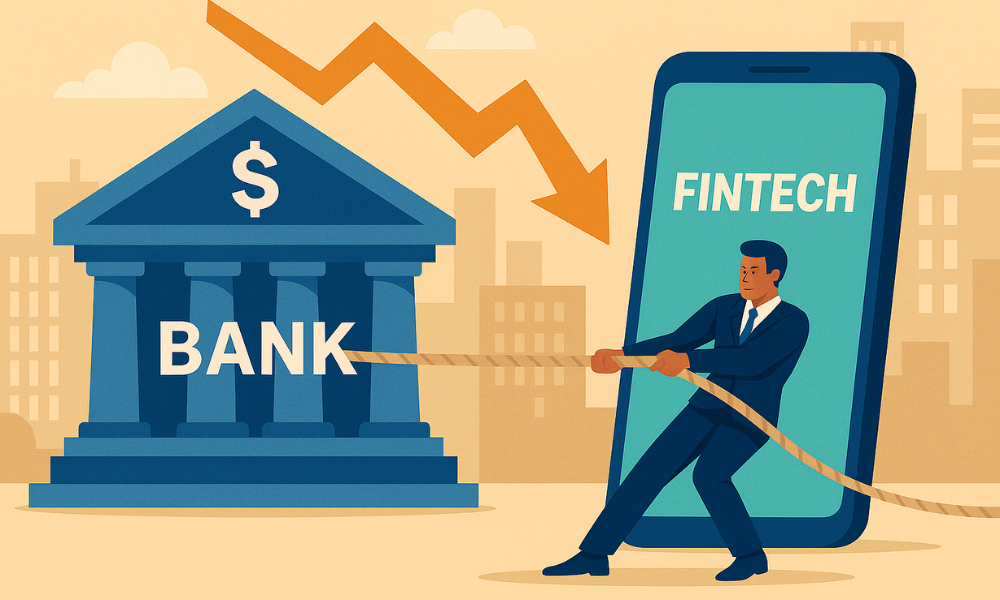

Are traditional banks losing ground to more agile financial players?
Yes, traditional banks are indeed facing stiff competition from fintechs and digital banks due to their innovative and customer-centric services. With technology reshaping how financial services are delivered, these agile players are capturing significant market share. However, traditional banks are not standing still and are making concerted efforts to evolve. Read on to explore the dynamics of this shift and what it signifies for your financial decisions.
The Rise of Fintech and Digital Banks
In the last ten years, the financial landscape has been dramatically transformed by fintech companies and digital banks. These newcomers have leveraged cutting-edge technology to deliver services that are not only quicker and more cost-effective but also incredibly convenient for users. For instance, mobile banking apps now enable users to transfer money or apply for loans with just a few taps. Furthermore, peer-to-peer lending platforms have democratized access to credit, offering an alternative to traditional loan processes that can be cumbersome and time-consuming.
What Makes Fintech Attractive?
Why are so many people switching to these new financial players? The answer lies in several compelling reasons:
- Convenience: Managing your finances from your smartphone is undeniably revolutionary. Think about it: no more standing in bank lines or dealing with rigid banking hours. Now, banking fits into your schedule, whether you’re relaxing at home or on the go.
- Lower Fees: Traditional banking often comes with a myriad of fees. In contrast, fintech companies frequently offer reduced fees, such as lower transaction costs or free financial advice, helping consumers save money over time.
- Innovative Services: Fintechs are constantly pushing the envelope with creative services, such as apps that let you round up purchases to the nearest dollar and invest the spare change, or platforms that offer insights into your spending habits to help you save effectively.
Traditional Banks: Adapting to Change
While the onslaught of fintech might suggest that traditional banks are on the back foot, they are far from being obsolete. Many are actively transforming to meet the modern consumer’s expectations. For example, some banks are investing heavily in digital technologies to enhance their online services, aiming to offer a seamless digital experience that rivals that of fintechs. Consider how some banks have begun offering virtual assistants within their apps to guide users through services, bridging the gap between personal service and digital convenience.
How Are They Responding?
Here are some strategies traditional banks are employing to stay in the game:
- Enhancing Digital Banking: Many banks are overhauling their digital platforms, making user interfaces more intuitive and adding features such as real-time transaction alerts and personalized financial insights.
- Partnerships with Fintechs: By collaborating with fintech companies, traditional banks can incorporate innovative solutions into their offerings, such as integrating peer-to-peer payment options directly into their banking apps.
- Focus on Customer Experience: Recognizing the importance of customer satisfaction, traditional banks are investing in training their staff to deliver exceptional service, both online and in-branch, ensuring a more holistic customer experience.
The Impact on Consumers
For consumers, the shift towards fintech and digital banks largely represents a positive change. With an expanded array of choices, individuals can tailor their financial services to better match their personal needs. However, navigating this landscape isn’t without its hurdles. Consider the complexity of balancing multiple accounts across different platforms or the learning curve associated with new financial technologies.
Benefits for Consumers
- Greater Choice: The sheer variety of financial products available today means consumers can find services that precisely fit their lifestyle and financial goals, such as savings accounts with high interest rates or apps that track spending in real-time.
- Increased Transparency: Many fintech companies emphasize transparency, providing clear and upfront information about fees and terms, which empowers consumers to make informed decisions without hidden surprises.
- Better Financial Education: Fintech platforms often include educational resources that demystify complex financial concepts, enabling users to make smarter financial decisions and plan for the future with confidence.
Potential Drawbacks
Despite the advantages, consumers should be aware of the potential downsides:
- Security Concerns: As with any digital platform, online banking can expose users to cybersecurity risks if proper precautions aren’t taken, such as using strong passwords and enabling two-factor authentication.
- Lack of Personal Touch: Some individuals value the face-to-face interaction that traditional banks offer, which can be lacking in digital-only models.
- Overwhelming Choices: The abundance of options can sometimes overwhelm consumers, making it difficult to decide which service is the best fit for their unique needs.
What Lies Ahead for Banking?
The banking industry is in a state of flux, and predicting the future can be challenging. Nonetheless, it’s evident that traditional banks will have to continue adapting to stay competitive amidst the growing presence of fintechs. The race isn’t just about survival; it’s about evolution. As technology advances, so too must the strategies of these financial giants.
Future Trends to Watch
Here are some trends likely to shape the future of banking:
- Increased Regulation: With the rapid growth of fintechs, regulatory bodies may impose stricter guidelines to ensure consumer protection and maintain the integrity of the financial system.
- AI and Automation: As artificial intelligence becomes more sophisticated, banks will increasingly adopt these technologies to enhance customer service, such as using chatbots to handle routine queries and freeing up human staff for more complex tasks.
- Integration of Services: We may see more platforms that seamlessly combine various financial services, offering users a one-stop-shop for banking, investing, and financial planning, simplifying their financial lives.
In conclusion, while traditional banks face formidable challenges from more agile financial competitors, they are not ceding ground entirely. The rise of fintech has resulted in a more competitive landscape, ultimately benefiting consumers by driving innovation and choice. As you explore your financial options, consider both traditional and digital banking services to find what best suits your needs. The future of banking is promising, and you have the power to shape your financial journey!