
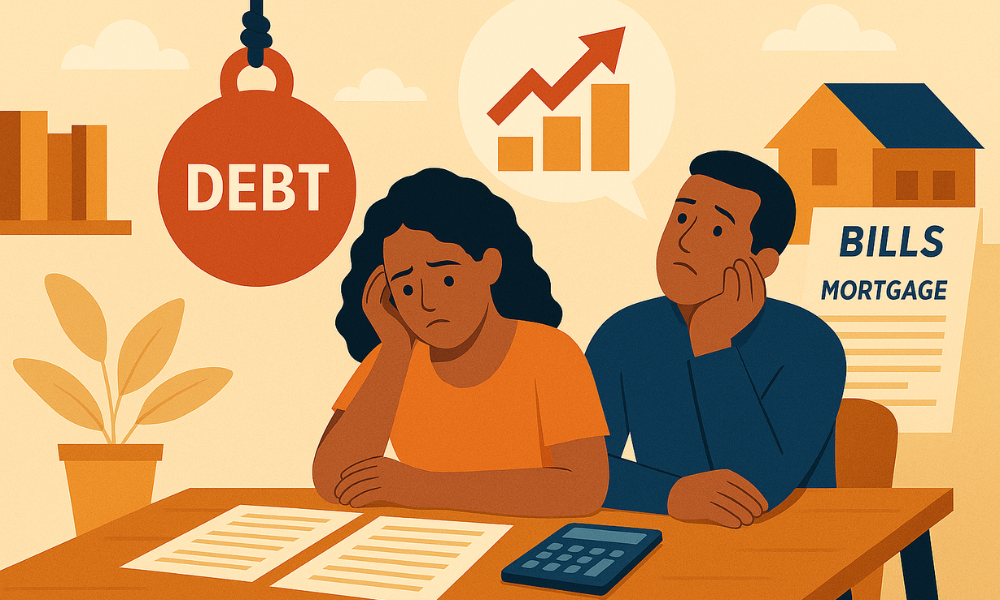

How can households better manage increasing debt levels?
Households can effectively manage rising debt by first gaining a clear understanding of their financial commitments and then implementing strategic budgeting and repayment plans. Key strategies include crafting a detailed budget, prioritizing debts based on size or interest rate, and considering debt consolidation options. Take control today to ensure a more secure financial future. Read on for actionable steps and insights to guide you through this process.
Understanding Your Debt
The journey to managing debt begins with a comprehensive understanding of what you owe. This involves a thorough inventory of all your debts, such as:
- Credit card balances
- Student loans
- Car loans
- Mortgages
- Medical bills
Once you’ve compiled this list, calculate the total amount owed and note the interest rates associated with each debt. This detailed overview not only highlights the scale of your financial obligations but also aids in identifying which debts require immediate attention. For instance, a high-interest credit card might need to be tackled before a lower-interest student loan.
Creating a Budget
A carefully structured budget is your best ally in debt management. Let’s break down the steps to set one up:
- Track Your Income: Begin by documenting every source of income, including regular salaries, bonuses, and any freelance or part-time work. This provides a realistic picture of your monthly intake.
- List Your Expenses: Next, categorize your monthly spending, from essentials like rent and utilities to variable costs such as dining out and entertainment. Don’t forget to account for annual expenses, spreading them out monthly in your budget.
- Identify Areas to Cut Back: Examine your discretionary spending and identify areas where you can save money. Could you cook at home more often or cancel an underused subscription?
- Allocate Funds to Debt Repayment: Dedicate a portion of your monthly income specifically for debt repayment, ensuring you consistently chip away at your balances.
These steps will help you create a budget that not only covers your daily expenses but also supports a disciplined approach to paying off your debt. Remember, a budget is a living document—be flexible and adjust as your financial situation evolves.
Debt Snowball vs. Debt Avalanche
When deciding how to tackle debt repayment, two popular strategies stand out: the Debt Snowball and the Debt Avalanche methods. Here’s a closer look at each:
Debt Snowball
This technique focuses on paying off your smallest debts first. By crossing these off your list quickly, you gain a psychological boost that propels you forward. Here’s how to implement it:
- Order your debts from the smallest to the largest.
- Make minimum payments on all debts except the smallest.
- Channel any additional funds to the smallest debt until it is fully paid.
- Repeat the process with the next smallest debt.
This approach is particularly effective for those who need quick wins to maintain motivation. Seeing progress can be incredibly encouraging.
Debt Avalanche
The Debt Avalanche strategy, on the other hand, targets debts with the highest interest rates first. This can save you money on interest payments over time. To employ this method:
- Rank your debts from the highest to the lowest interest rate.
- Consistently make minimum payments on all debts except the one with the highest interest rate.
- Apply any extra funds to this high-interest debt until it is eliminated.
- Move on to the next highest interest rate debt.
Choose the strategy that you find most motivating and stick with it. The ultimate goal is to reduce your debt burden, so pick the method that aligns with your financial mindset.
Consider Debt Consolidation
Debt consolidation can be a lifesaver for households juggling multiple debts. By merging your obligations into a single loan, often at a lower interest rate, you can simplify your financial life. Here’s what you might consider:
- Balance Transfer Credit Cards: These offer a low or 0% interest rate on transferred balances for a limited time, giving you the chance to pay down debt more rapidly. However, watch out for transfer fees and the end of the promotional period.
- Personal Loans: A personal loan can help you pay off higher-interest debts, streamlining your payments into one fixed monthly amount.
- Home Equity Loans: If you have substantial equity in your home, a home equity loan might offer a lower interest rate, but remember, your home is collateral.
Debt consolidation can provide breathing room, but it’s essential to read the fine print and understand any associated costs before proceeding.
Establish an Emergency Fund
Building an emergency fund is a proactive step to prevent further debt. This fund acts as a cushion for unexpected expenses, such as car repairs or medical emergencies, reducing your reliance on credit cards. Aim to save between three to six months’ worth of living expenses. Start small if you need to; even modest, regular contributions can build up over time, providing peace of mind.
Seek Professional Help
If your debt feels overwhelming, seeking professional advice can provide clarity and direction. Financial advisors or credit counseling services offer tailored guidance, helping you create a personalized debt management plan. These professionals can also negotiate with creditors and provide you with the tools you need to regain control of your financial future.
Managing rising debt is a challenge that many face, but remember, it’s not insurmountable. By gaining a clear understanding of your debt, setting a realistic budget, choosing a repayment strategy, exploring consolidation options, and fortifying your finances with an emergency fund, you can take decisive steps towards financial freedom. It’s never too late to start making these positive changes—take action today, and pave the way for a debt-free tomorrow!