
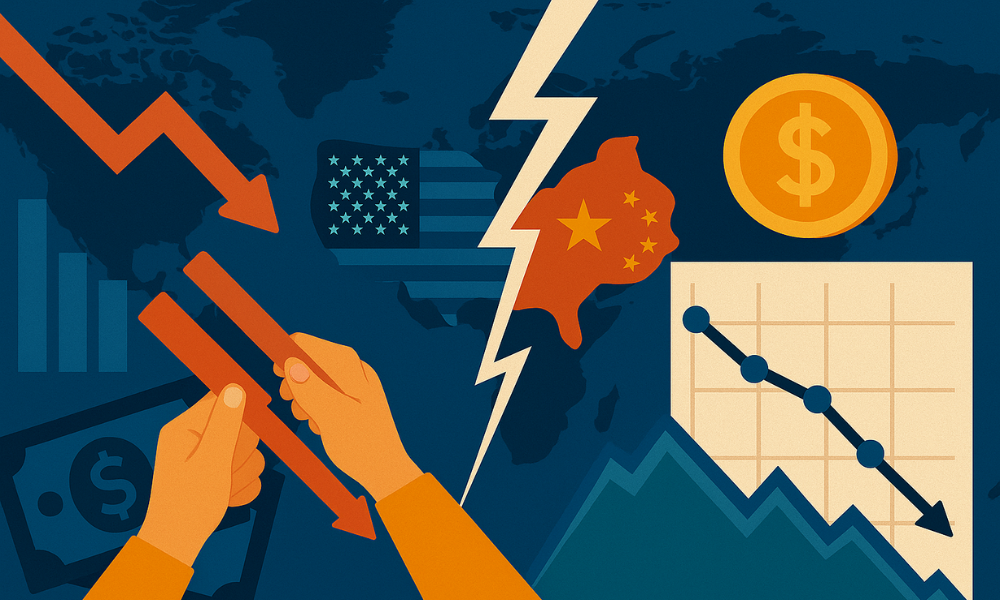

What is the impact of geopolitical tensions on global financial markets?
Geopolitical tensions exert a significant influence on global financial markets by causing fluctuations in stock prices, currency values, and commodity prices, among others. These impacts stem from conflicts, trade wars, and diplomatic standoffs that create uncertainty and influence investor behavior. Understanding the nuances and effects of these tensions can help investors navigate a complex financial landscape. Read on to explore the intricate relationship between geopolitics and financial markets.
Understanding Geopolitical Tensions
Geopolitical tensions refer to conflicts and disputes between nations that can manifest in various forms such as military confrontations, trade disputes, diplomatic standoffs, and economic sanctions. Each of these scenarios carries its own set of challenges and uncertainties. For instance, military confrontations can disrupt supply chains and impact regional stability, while trade disputes often lead to tariffs and barriers that affect international commerce. Diplomatic standoffs might strain alliances, potentially leading to economic isolation, and sanctions can cripple national economies by restricting access to global financial systems. Together, these factors unsettle global markets, causing investor confidence to waver and resulting in market fluctuations.
The Ripple Effect on Financial Markets
Geopolitical events can trigger a ripple effect across financial markets, influencing a wide range of investment areas and economic indicators. The repercussions are far-reaching, and their impact can be seen in several key areas:
1. Stock Market Volatility
Heightened geopolitical tensions often result in volatile stock markets. Investors, reacting to new developments, can cause sharp swings in stock prices. For example, tensions in oil-producing regions frequently lead to spikes in energy stocks, as fears over supply disruptions increase. Conversely, sectors such as tourism and manufacturing might experience downturns. This volatility, while daunting for some, can also create opportunities for astute investors who can anticipate market movements and adjust their strategies accordingly.
2. Currency Fluctuations
The currency market is another area heavily influenced by geopolitical events. When a country is embroiled in conflict or faces economic sanctions, its currency often weakens. This depreciation can create a domino effect, impacting neighboring countries and global exchange rates. During such times, investors frequently seek refuge in stable currencies like the US dollar or Swiss franc, further amplifying these fluctuations. The dynamics of currency movements require a keen understanding of global political climates.
3. Commodity Prices
Commodities such as oil, gold, and agricultural products are particularly sensitive to geopolitical climates. Conflicts in regions like the Middle East, which are pivotal to oil production, can lead to escalations in oil prices. Similarly, gold often becomes a sought-after asset during periods of uncertainty, serving as a ‘safe haven’ for investors. These movements highlight the interconnectedness of geopolitical events and commodity markets, emphasizing the importance of strategic planning in commodity investments.
4. Interest Rates and Central Bank Policies
Central banks wield considerable influence over economies, especially during geopolitical tensions. In response to conflicts causing economic downturns, central banks might lower interest rates to spur growth and stabilize economies. Such measures can significantly affect borrowing costs and savings rates, impacting everything from consumer spending to business investments. Understanding these policies is crucial for anticipating economic shifts and adjusting financial strategies.
Recent Examples of Geopolitical Tensions Impacting Markets
Examining recent geopolitical events provides insight into their influence on financial markets. These examples underscore the varied and substantial impacts that such tensions can have:
1. The Russia-Ukraine Conflict
The ongoing conflict between Russia and Ukraine has created ripples across global markets since early 2022. Energy prices have surged due to fears of supply disruptions, particularly impacting European markets heavily reliant on Russian energy. This situation has led to significant volatility in equities and commodities, illustrating how regional conflicts can have global financial consequences.
2. US-China Trade Relations
The protracted trade tensions between the US and China have led to substantial market shifts. Tariffs and trade barriers imposed by both nations have affected corporate earnings, especially for companies involved in global supply chains. Stock prices often react to developments in trade negotiations, highlighting the sensitivity of markets to international trade policies and agreements.
3. Middle East Tensions
Historically, Middle Eastern conflicts have had a pronounced impact on global oil prices. For example, tensions involving Iran have led to spikes in oil prices due to fears of supply disruptions. Such fluctuations influence a wide range of economic factors, from transportation costs to inflation, underscoring the global ramifications of regional geopolitical events.
Navigating the Financial Waters
For individual investors, navigating the complexities of geopolitical tensions requires strategic planning and informed decision-making. Here are some practical steps to consider:
- Stay Informed: Regularly follow global news and developments. A well-informed perspective can help in making sound investment decisions amid geopolitical uncertainties.
- Diversify Your Portfolio: Diversification across various asset classes can help manage risks and reduce exposure to any single geopolitical event.
- Consider Safe Havens: Allocating a portion of your portfolio to stable assets like gold or government bonds can provide security during volatile times.
- Consult a Financial Advisor: Seeking professional advice can offer tailored strategies to navigate the complexities of geopolitical influences on investments.
Geopolitical tensions are an integral aspect of the global financial landscape, affecting everything from stock and currency values to commodities. By staying informed and strategically adjusting their portfolios, investors can manage risks and seize opportunities. While these tensions present challenges, they also offer avenues for growth and investment for those who are prepared and proactive. Keep an eye on global developments, stay engaged, and be ready to adapt to the ever-evolving financial world!