
What Risks Are Associated with the Growing Popularity of Alternative Assets?
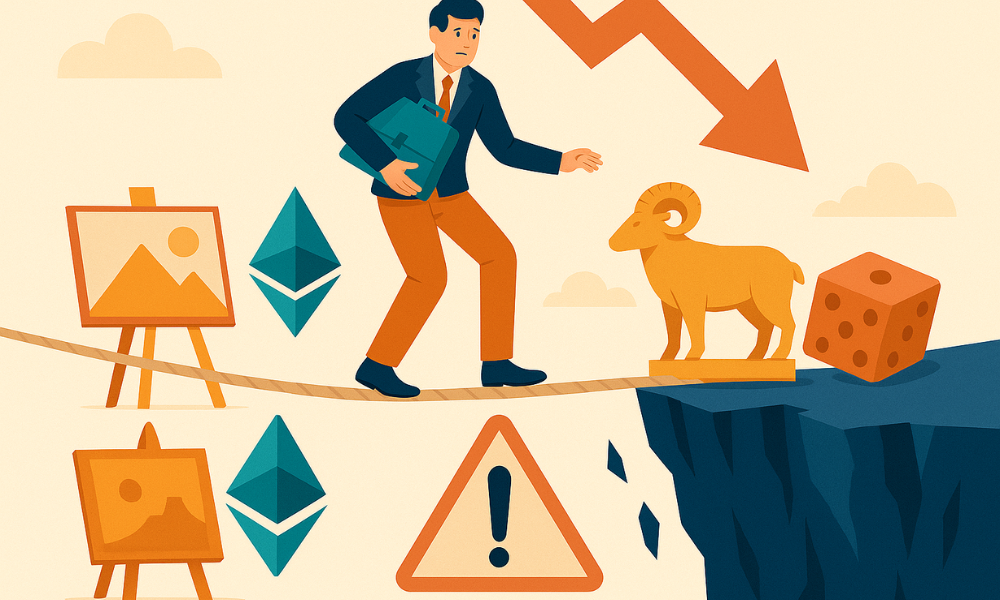
Alternative assets are gaining traction among investors eager to diversify beyond the usual stocks and bonds. However, this realm comes with a different set of challenges. Market volatility, liquidity issues, and regulatory uncertainties are some of the hurdles that accompany these investments. Read on to explore these risks in depth and understand how they might impact your financial strategy.
Understanding Alternative Assets
Alternative assets are intriguing, often falling outside the traditional investment categories. These include:
- Cryptocurrencies like Bitcoin and Ethereum
- Real estate crowdfunding ventures
- Private equity deals
- Art and collectibles, ranging from rare coins to vintage wines
- Commodities such as gold and silver
These can offer substantial returns, yet they come with their own set of complexities. For instance, investing in cryptocurrencies requires a solid grasp of blockchain technology, while art investments demand an understanding of market trends and provenance.
Market Volatility
One of the most daunting aspects of alternative assets is their inherent volatility. Unlike stocks typically tied to established companies, these assets are subject to unpredictable swings. Consider cryptocurrencies, which can see values shift by hundreds of dollars within hours. Similarly, the art market can be heavily influenced by trends, where the popularity of an artist might suddenly surge or wane. This volatility can be both thrilling and nerve-wracking, demanding a strong stomach for risk.
Liquidity Issues
Liquidity is a crucial factor in investing, as it dictates how quickly you can convert an asset into cash without significantly affecting its price. Many alternative assets, such as private equity or certain collectibles, lack this liquidity. Imagine owning a rare piece of art; selling it might not only take time but also require accepting a lower price if you’re in a hurry. This is why understanding the liquidity profile of your investments is paramount—it can affect your ability to respond to financial needs swiftly.
Regulatory Risks
The regulatory environment surrounding alternative assets is in flux, with governments still grappling with how to manage innovations like cryptocurrencies. This evolving landscape can lead to abrupt changes in legality or taxation, which in turn affects investment values. For example, a sudden ban on cryptocurrencies in a major market could severely dent your portfolio’s performance. Staying updated on regulatory shifts is not just wise—it’s essential for safeguarding your investments.
Scams and Fraud
With the rise in popularity of alternative assets comes an increase in scams and fraudulent schemes. The lack of stringent regulation in many sectors opens the door for deceptive practices. From pyramid schemes masquerading in the crypto world to counterfeit art and dubious crowdfunding platforms, the risks are real. Conducting thorough research and due diligence is more critical than ever. Always verify the legitimacy of any platform or seller before committing your funds.
Valuation Challenges
Determining the fair value of alternative assets can be a complex endeavor. Unlike stocks, which have standardized valuation metrics, many alternative investments lack such clarity. Take rare coins, for instance—their value often hinges on collector demand and market trends. Similarly, real estate investments are subject to local economic conditions, rather than universal valuation standards. As an investor, understanding these nuances and relying on trusted appraisals can help navigate this challenging landscape.
Venturing into alternative assets can certainly be rewarding, yet it’s accompanied by a spectrum of risks. Market volatility, liquidity concerns, and regulatory fluctuations are just a few of the factors that require careful consideration. If you’re contemplating entering this diverse world, arm yourself with knowledge and perhaps consult with a financial advisor. Every investment involves risk, but informed decisions are your best shield against potential pitfalls. Happy investing!