
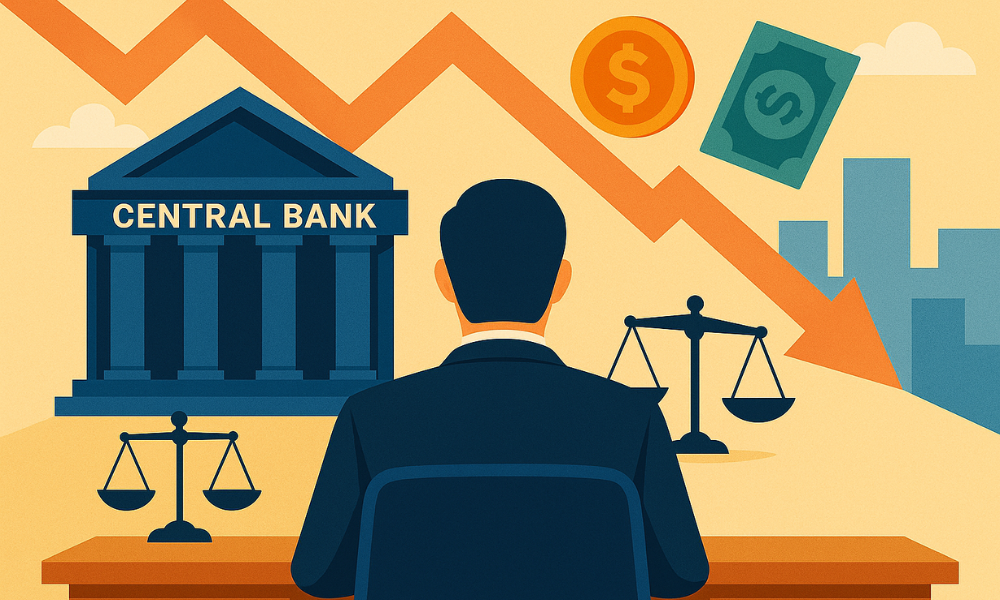

What role do central banks play during major economic corrections?
Central banks act as the cornerstone of financial stability during major economic downturns, deploying various strategies to mitigate the impacts of economic corrections. They adjust interest rates, implement quantitative easing, and provide emergency funding to ensure the economy remains functional. Dive into the details of how these actions unfold and why they are crucial to keeping our financial systems intact.
The Basics of Central Banks
Central banks, like the Federal Reserve in the United States or the European Central Bank, are pivotal in managing a country’s economic health. At their core, these institutions regulate currency supply, oversee interest rates, and ensure the banking system operates smoothly. They act not just as regulators, but also as influencers, setting the tone for national economic policies. Imagine them as the financial referees, blowing the whistle when rules are broken and ensuring fair play in the economic arena.
Understanding Economic Corrections
An economic correction is essentially the economy’s way of hitting the brakes after a period of excessive growth. Picture a rollercoaster reaching its peak before that sudden drop—it’s a recalibration that follows unsustainable economic highs. These corrections can be triggered by factors like asset bubbles or unexpected events such as geopolitical upheavals or global pandemics. During such times, it’s common to see increased unemployment and reduced consumer spending, painting a picture of economic instability.
The Role of Central Banks During Economic Corrections
In times of economic turbulence, central banks spring into action with several key strategies aimed at stabilization. Here’s a closer look at their roles:
1. Adjusting Interest Rates
Interest rate adjustments are a central bank’s primary tool for managing economic fluctuations. Lowering interest rates makes borrowing more affordable, thereby encouraging businesses and consumers to spend and invest more. This can be a lifeline during recessions. On the flip side, when the economy overheats, raising rates can help prevent inflation and economic bubbles. It’s a delicate balance, akin to adjusting the temperature to ensure a pleasant climate.
2. Implementing Quantitative Easing
Quantitative easing (QE) is employed when conventional methods, such as adjusting interest rates, fall short. Central banks buy government bonds and other securities to increase the money supply, aiming to lower long-term interest rates and spur economic activity. This method was notably used during the 2008 financial crisis when traditional tools were exhausted. Think of QE as an economic defibrillator, jolting the system back to life.
3. Providing Emergency Funding
In severe downturns, liquidity can dry up, leading to a credit crunch. Central banks step in by providing emergency funding to financial institutions to keep the flow of credit going to businesses and consumers. This intervention is crucial for maintaining confidence in the financial system, akin to a financial safety net that prevents freefall.
4. Communication and Guidance
Effective communication is a powerful tool for central banks. By offering clear guidance on their policies, they help manage market expectations and reduce uncertainty. This transparency fosters stability, acting like a lighthouse in stormy economic seas, guiding markets towards calm waters.
Central Banks and Inflation
While stimulating growth during corrections, central banks must be vigilant about inflation. Excessive money supply can lead to rising prices, diminishing the purchasing power of the currency. Central banks typically aim for an inflation rate of around 2% to maintain economic stability. The challenge lies in avoiding the pitfall of runaway inflation, which could destabilize the economy in the long run.
Real-World Examples
Examining real-world scenarios helps illustrate these concepts:
The 2008 Financial Crisis
In 2008, the Federal Reserve took drastic measures to counteract the financial collapse. By cutting interest rates to near-zero and engaging in massive QE, they injected liquidity into the economy. These actions were instrumental in preventing a deeper recession and setting the stage for recovery. The crisis highlighted the central bank’s role as a last-resort actor in economic stabilization.
The COVID-19 Pandemic
During the COVID-19 pandemic, central banks worldwide acted swiftly, slashing interest rates and rolling out extensive QE programs. These efforts were designed to cushion the economic blow and support both businesses and individuals during unprecedented lockdowns. The pandemic underscored the central banks’ ability to adapt and respond to unprecedented challenges.
The Impact on Everyday People
The actions of central banks during economic corrections have tangible effects on daily life:
- Loan Costs: Changes in interest rates directly impact your mortgage, car loans, and credit card rates, influencing your monthly budget.
- Job Security: By stabilizing the economy, central bank interventions can help safeguard jobs and support businesses, providing a buffer against economic turbulence.
- Inflation Rates: Central bank decisions can affect the prices of goods and services, impacting your day-to-day purchasing power.
In conclusion, central banks are vital players during major economic corrections. Their strategies—ranging from interest rate adjustments to quantitative easing and clear communication—are designed to stabilize economies and mitigate impacts on individuals. Understanding these mechanisms allows you to make informed financial decisions, equipping you to better navigate the ever-changing economic landscape.
As we face future economic challenges, keeping an eye on central bank activities can provide valuable insights into the economy’s health and trajectory. Stay informed, ask questions, and engage with the financial world around you!