
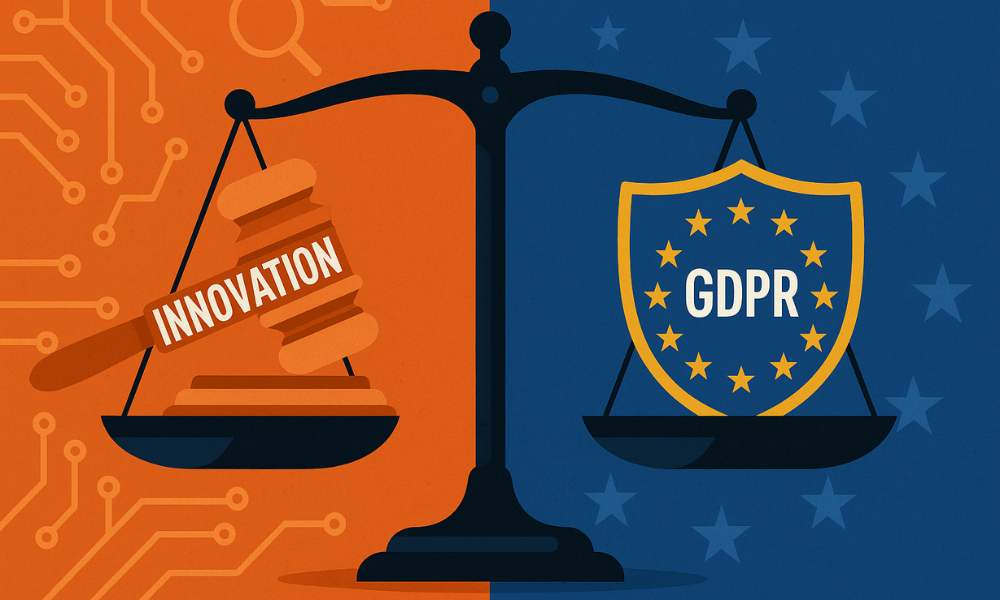

How can innovation be balanced with GDPR compliance?
Innovation thrives on creativity and progress, while GDPR compliance ensures that personal data is treated with respect and care. Striking the right balance between these two is not only feasible but essential for sustainable growth in today’s digital age. By integrating privacy into the foundational stages of innovation and maintaining transparent practices, businesses can successfully navigate these seemingly opposing demands. As you read on, you’ll discover the strategies that make this balance achievable and effective.
Understanding GDPR: A Brief Overview
The General Data Protection Regulation, or GDPR, which became enforceable on May 25, 2018, represents a significant step in protecting personal data within Europe and beyond. It empowers individuals by granting them greater control over their personal data and streamlines the regulatory landscape for businesses operating internationally. Here are some crucial facets of GDPR:
- Personal Data: The definition of personal data under GDPR is expansive, including identifiers like names, email addresses, and even IP addresses, which means organizations must be vigilant about what they collect.
- Consent: Organizations are required to obtain explicit consent from users before their data can be processed, ensuring that individuals are aware and agreeable to how their information is used.
- Rights of Individuals: GDPR affords individuals rights such as accessing, rectifying, and erasing their personal data, empowering them to have a say in their digital footprint.
- Penalties: The regulation enforces compliance through the potential for substantial fines, up to 4% of annual global turnover or €20 million, whichever is higher, thus incentivizing organizations to adhere rigorously.
Why Innovation is Crucial
Innovation is the lifeblood of any thriving economy, driving not only technological advancement but also societal improvement by creating jobs and enhancing the quality of life. Companies that harness innovative ideas often find themselves ahead of the competition, enjoying larger market shares and increased profitability. Here’s why fostering innovation remains vital:
- Competitive Advantage: Companies that innovate effectively can dominate their industries, offering unique products and services that others cannot match.
- Customer Satisfaction: New and improved offerings can significantly enhance customer satisfaction, leading to greater loyalty and repeat business. Imagine the impact of an innovative feature that simplifies daily chores for users.
- Economic Growth: On a macro level, innovation fuels economic growth by introducing groundbreaking technologies and processes that can redefine entire sectors.
Challenges of Balancing Innovation and GDPR Compliance
While innovation is indispensable, its reliance on data collection and processing presents challenges under GDPR. Balancing these two needs can be tricky, with several hurdles to overcome:
- Data Minimization: Innovators are tasked with collecting only essential data, potentially restricting the breadth and scope of creativity and experimentation.
- Compliance Costs: Adherence to GDPR can be costly, particularly for startups and small enterprises, which may lack the resources to meet stringent requirements. This financial burden can stifle innovative efforts.
- Complexity of Regulations: GDPR’s intricate legal framework can bewilder even the most seasoned professionals, leading to misinterpretations and inadvertent non-compliance.
Strategies for Balancing Innovation and GDPR Compliance
Fortunately, there are pragmatic strategies to harmonize innovation with GDPR mandates. Here are some actionable steps:
1. Prioritize Privacy by Design
Embedding privacy considerations into the design phase of products or services helps ensure compliance is built-in rather than bolted on. This proactive approach considers data protection at every developmental stage, guarding against potential breaches from the outset.
2. Conduct Data Protection Impact Assessments (DPIAs)
Performing a DPIA before launching new initiatives can identify and address data-related risks. This not only safeguards personal information but also reinforces the organization’s commitment to responsible innovation and compliance.
3. Foster a Culture of Compliance
Promoting a compliance-oriented culture within an organization is key. Regular training sessions can keep employees up-to-date with evolving GDPR standards, ensuring that everyone understands the importance of data protection and adheres to best practices.
4. Leverage Technology
Advanced technologies such as Artificial Intelligence (AI) and machine learning can streamline compliance by automating data management processes, facilitating adherence to GDPR without stifling innovation.
5. Engage with Users
Transparency builds trust. By openly communicating how data is collected and utilized, companies can garner user trust and improve consent rates. This engagement also provides valuable feedback, guiding future innovations to align with user expectations.
Examples of Successful Innovation within GDPR Compliance
Several companies have adeptly combined innovation with GDPR compliance, showcasing that both can coexist successfully. Consider these examples:
- Apple: Apple consistently demonstrates its commitment to privacy, integrating robust data protection measures into its innovative products while setting industry standards.
- Duolingo: The language-learning app Duolingo effectively uses data minimization and transparency, ensuring users are well-informed about data usage while delivering a tailored learning experience.
- Microsoft: Through embedded privacy features within its cloud services, Microsoft enhances both user trust and compliance, proving that privacy can be a selling point.
Conclusion: A Path Forward
Balancing innovation with GDPR compliance is not an insurmountable task. By embedding privacy considerations, conducting thorough impact assessments, cultivating a compliance culture, harnessing technology, and engaging transparently with users, organizations can drive innovation responsibly. Remember, compliance isn’t just a legal necessity; it’s an opportunity to earn customer trust and foster loyalty.
Are you ready to innovate while respecting data privacy? By implementing these strategies, your organization can thrive in a world where innovation and compliance go hand in hand, paving the way for a sustainable and trusted future.