
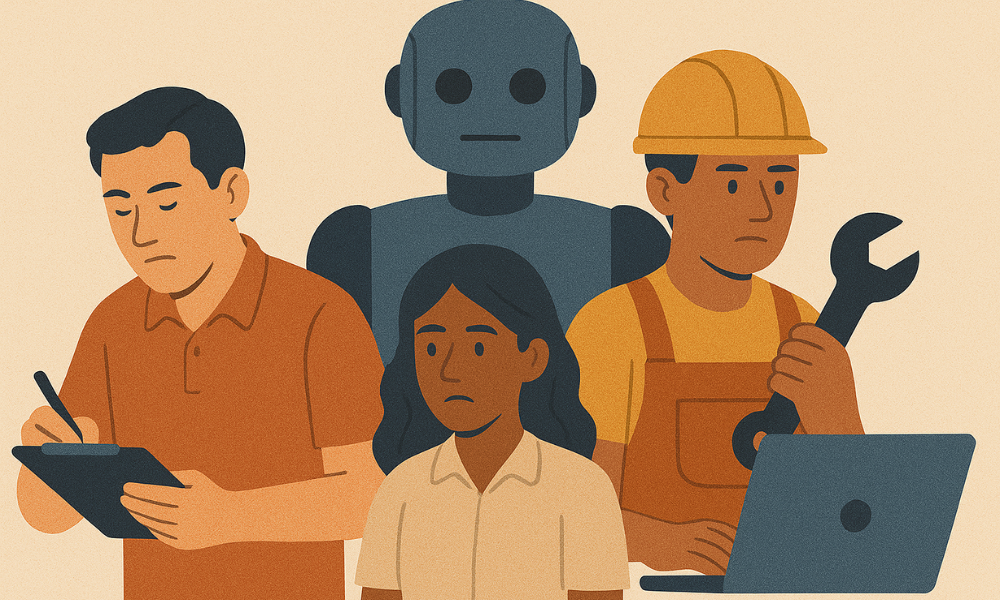

Which jobs will AI transform first?
The jobs most likely to be transformed by AI are those involving repetitive tasks, such as manufacturing, customer service, and data entry. With AI’s ability to automate routine processes and enhance efficiency, these roles are poised for significant change. However, the potential for transformation also brings new opportunities, making it crucial to explore how these changes might unfold.
Understanding AI and Its Impact on Jobs
Artificial Intelligence, once a futuristic concept, is now a tangible part of our lives, reshaping industries with its capabilities. At its core, AI involves machines performing tasks that require human-like intelligence, such as recognizing patterns, decision-making, and language processing. As AI continues to evolve, it’s set to revolutionize various sectors. But let’s keep a balanced view; it’s not just about job losses but also about the exciting potential for new roles.
Jobs Most Likely to Be Transformed
Some professions are more vulnerable to AI-driven change than others. Here’s a closer look at where AI’s impact will likely be most profound:
- Manufacturing and Assembly Line Work: The integration of AI into manufacturing is not entirely new, but its capabilities are expanding. AI-powered robots can now learn and perform a variety of tasks, adapting to changes quickly and reducing the likelihood of human error. Consider a car assembly line where AI robots can switch between installing doors and assembling engines, providing flexibility and efficiency.
- Customer Service: Chatbots and virtual assistants are becoming common, handling customer inquiries with increasing sophistication. These AI systems can address multiple queries in real time, allowing human representatives to tackle more complex issues. For instance, imagine a bank where AI handles standard questions about account balances, while staff focus on personalized financial advice.
- Data Entry and Processing: AI excels at processing large volumes of data accurately, making it ideal for automating tedious tasks like data entry. As businesses aim to reduce operational costs, AI can streamline these processes, leading to a shift in roles that were once solely focused on data input.
- Transportation and Delivery: The transportation industry is on the cusp of a revolution with self-driving technology. Autonomous vehicles could soon take over roles traditionally held by truck drivers and delivery personnel, changing the logistics landscape. Imagine a fleet of AI-driven delivery drones efficiently distributing packages across a city.
- Healthcare: In healthcare, AI is already assisting in diagnostic processes and medical record analysis. While AI won’t replace doctors, it can enhance their ability to provide care by handling routine diagnostics, thus allowing healthcare professionals to concentrate on patient interaction and complex decision-making.
The Positive Side of AI Job Transformation
Concerned about AI taking over jobs? While it’s true that some roles may evolve or disappear, the horizon is bright with opportunities for innovation and growth. AI doesn’t just reshape existing jobs; it creates possibilities for entirely new professions.
Job Creation
AI isn’t just changing jobs; it’s creating them. As the technology advances, new roles are emerging, which we can already see happening in several areas:
- AI Trainers: These specialists are integral to teaching AI systems to perform tasks more accurately, ensuring they function optimally. Think of them as guiding the AI’s learning journey, much like a teacher with a student.
- Data Analysts: With AI generating vast amounts of data, businesses require skilled analysts to interpret this information. These professionals help decipher trends and insights, guiding strategic decisions that could define the future of companies.
- Ethics Compliance Officers: As AI technology becomes more widespread, ethical considerations gain importance. New roles are emerging to oversee the responsible application of AI, ensuring adherence to ethical standards.
Enhanced Productivity
By taking over repetitive tasks, AI allows human workers to focus on creative and strategic endeavors. This shift not only boosts productivity but also enhances job satisfaction. Imagine the possibility of investing time in innovation rather than routine tasks—this is the future AI offers.
Skills for the Future
Adapting to AI’s impact on jobs requires new skills. As the job landscape changes, certain competencies will become increasingly valuable:
- Technical Skills: A sound understanding of AI and machine learning will be advantageous. Familiarity with these technologies ensures you remain relevant and capable of leveraging them in your work.
- Soft Skills: As AI takes over technical tasks, human-centric skills like emotional intelligence, creativity, and problem-solving will be in demand. These skills will remain indispensable in a world driven by technology.
- Adaptability: The ability to learn and adapt to new technologies is crucial. Embrace lifelong learning to keep pace with advancements and remain competitive in your field.
How to Prepare for AI’s Impact on Your Job
Here’s how you can proactively prepare for the impact of AI on your profession:
- Stay Informed: Keep abreast of industry trends and AI advancements. Knowledge is your key to navigating these changes effectively.
- Invest in Education: Strengthen your skill set by taking courses in AI, data analysis, or related fields. Continuous learning is invaluable.
- Network: Build connections with professionals in your industry and adjacent fields to share insights and opportunities.
- Be Open-Minded: Embrace change with an open mind and be ready to adapt to new ways of working. Flexibility can be your greatest asset in navigating this evolving landscape.
AI is reshaping the employment landscape, but it’s essential to see this as an opportunity rather than a threat. While some roles may be at risk, many others will emerge, offering more engaging and fulfilling work. By investing in your skills and maintaining adaptability, you can thrive in this exciting new era. So, take a deep breath, stay curious, and prepare to seize the future!