
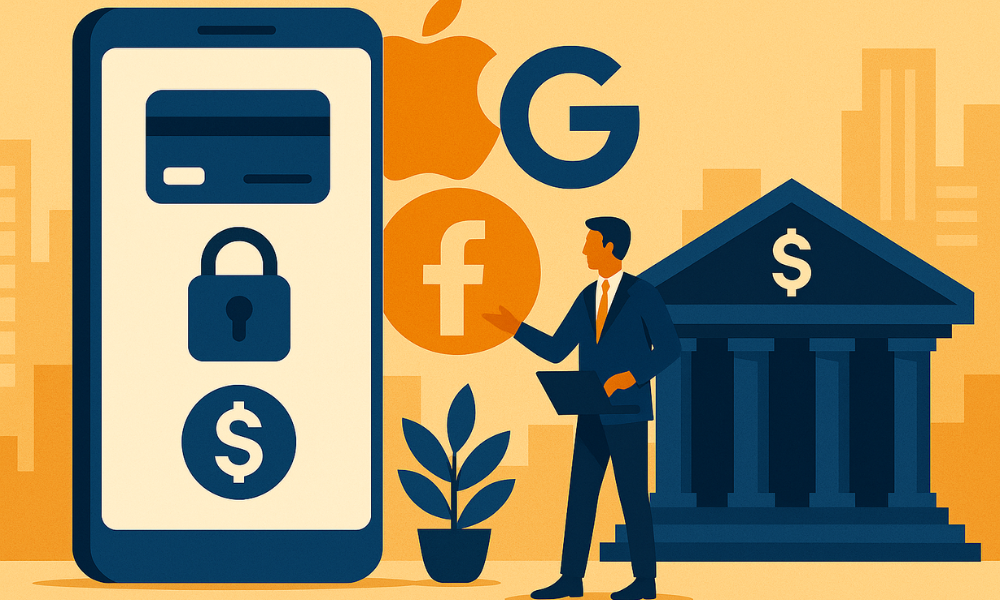

How are big tech companies redefining the financial services landscape?
Big tech companies are fundamentally altering the financial services sector through their expansive digital ecosystems. They offer everything from seamless payment solutions to sophisticated lending platforms, integrating financial services into everyday digital interactions. As these tech titans reshape the rules, understanding the specifics of their impact becomes crucial. Read on to discover the intricate ways these companies are transforming finance as we know it.
The Rise of Fintech Giants
The emergence of fintech, a blend of finance and technology, has ushered in a new era where traditional financial services are being revolutionized. Historically dominated by banks, this sector has seen a paradigm shift with companies like Apple, Google, and Amazon leading the charge. They harness their extensive user bases and cutting-edge technology to craft financial products that were once unimaginable. For instance, leveraging machine learning, these companies can offer personalized financial advice instantly, a service that traditional banks are still catching up to.
Understanding the Shift
What exactly is fueling this transformation? Several key factors are at play:
- Consumer Demand: The modern consumer craves convenience and efficiency, preferring digital-first solutions that fit seamlessly into their lives. Remember when waiting in line at the bank was a weekly chore? Those days are rapidly fading.
- Technology Advancement: Breakthroughs in artificial intelligence, blockchain, and mobile technology have opened doors to innovative financial services. For example, blockchain technology not only speeds up transactions but also enhances security.
- Regulatory Changes: As governments warm up to fintech innovations, a more conducive regulatory environment is emerging. This shift has been evident in regions like Europe, where open banking regulations are reshaping the industry.
Key Players and Their Offerings
Let’s delve into how some of the leading tech companies are venturing into financial services and what they bring to the table. Their offerings aren’t just add-ons but integral components of their broader ecosystems.
1. Apple
Apple has transformed the transaction process with Apple Pay, which allows users to make purchases effortlessly using their iPhones or Apple Watches. Remember the last time you fumbled with cash or cards? Apple Pay aims to make those moments obsolete. Moreover, the Apple Card integrates deeply within the Apple ecosystem, offering features like spending tracking and interest transparency, making financial management intuitive and accessible.
2. Google
Google’s venture into finance with Google Pay simplifies transactions by allowing payments, money transfers, and loyalty program management all in one place. Imagine having your entire wallet digitally at your fingertips. Furthermore, Google’s prowess in data analytics enables them to provide users with tailored financial insights, helping them make informed decisions with ease.
3. Amazon
Amazon’s Amazon Lending program provides small businesses on its platform with much-needed financial assistance. By offering loans, Amazon not only supports sellers’ growth but also fosters a sense of loyalty within its ecosystem. It’s a strategic move that showcases how financial services can be seamlessly integrated into core business operations, enabling sellers to thrive while staying tethered to Amazon’s vast network.
Changing Consumer Behavior
With the introduction of these innovative products, consumer behavior is undergoing a significant transformation. The preference is shifting towards speed and convenience, a trend that is changing the financial landscape dramatically:
- Mobile Banking: There’s a notable increase in consumers managing all their financial activities through mobile apps. The days of visiting a physical bank branch are becoming less frequent.
- Instant Payments: Consumers now expect their transactions to be completed in the blink of an eye, prompting banks and fintechs to adopt real-time payment systems. Have you ever realized how frustrating waiting has become?
- Financial Literacy: With tech companies providing educational resources, users are becoming more financially savvy, empowered to make informed decisions that were once the domain of financial advisors.
Challenges and Considerations
The integration of big tech into finance does not come without its hurdles. Here are some pressing challenges that these companies need to navigate:
1. Security Concerns
Handling vast amounts of financial data means that security is a top priority. Users must have unwavering confidence that their personal information is protected. A single security breach can lead to a massive erosion of trust, something that no tech giant can afford.
2. Regulatory Hurdles
The financial services sector is tightly regulated, and tech companies must tread carefully. Navigating complex laws and ensuring compliance while pushing the boundaries of innovation is no small feat and requires constant vigilance and adaptation.
3. Competition with Traditional Banks
Traditional banks are not standing still. They’re investing heavily in technology to enhance their services, striving to meet the challenges posed by fintech innovations. This competitive dynamic could lead to enhanced services for consumers but also raises the stakes for tech companies vying for dominance in the financial sector.
The Future of Financial Services
Looking to the future, the collaboration between technology and finance is just beginning. Here are some trends that could shape the landscape further:
- Increased Collaboration: Expect an uptick in partnerships between tech firms and traditional banks, as both seek to leverage each other’s strengths to deliver superior services.
- Crypto and Blockchain: These technologies are set to play a more significant role, with big tech actively exploring their potential to revolutionize financial services further.
- AI-Driven Solutions: As AI continues to evolve, we can anticipate even more personalized and intelligent financial products becoming the norm, offering unprecedented levels of customization and efficiency.
In conclusion, big tech companies are indeed redefining the financial services landscape, providing consumers with innovative, convenient, and user-friendly solutions. While challenges such as security and regulatory compliance remain, the future offers promising possibilities. As consumers, staying informed and embracing these changes is crucial, allowing us to enjoy the best of what technology offers while safeguarding our financial well-being.
So, whether you’re tapping your phone to make a payment, exploring new lending options, or simply curious about the future of finance, one thing is clear: the financial landscape is evolving rapidly, and being part of this change is nothing short of exhilarating!