

How are shifts in consumer demographics reshaping retail expectations?
Today’s retail landscape is being fundamentally transformed by the evolving demographics of consumers. The way people shop and their expectations from retailers are changing, driven by generational shifts and cultural diversity. To navigate this dynamic environment, understanding these demographic changes is crucial for businesses hoping to remain relevant and appealing. Read on to discover how these shifts impact retail expectations and strategies.
The Changing Face of Consumers
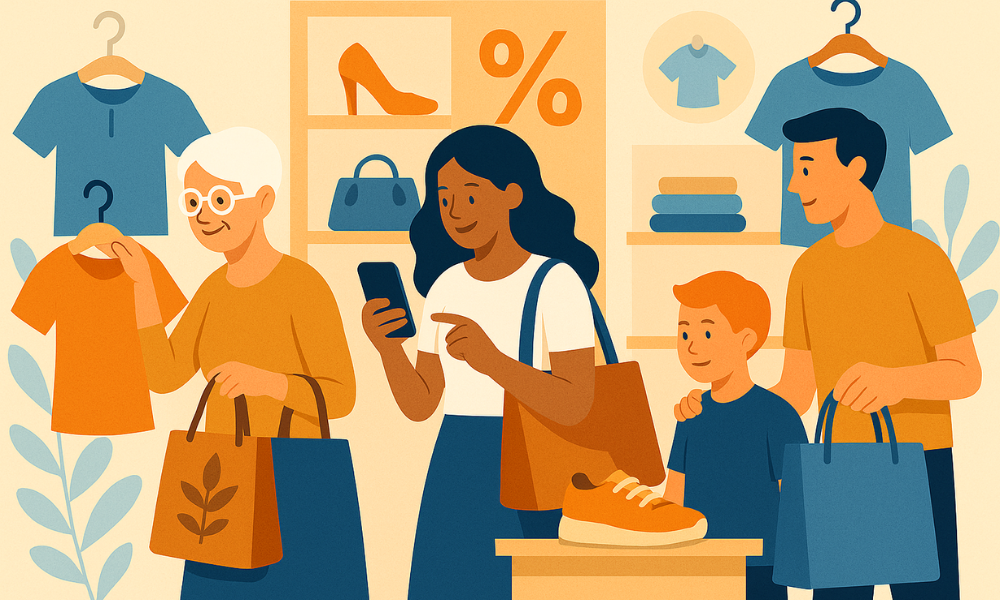
Consumer demographics have undergone significant changes in recent years due to factors like age, ethnicity, and technology adoption. This isn’t a fleeting trend but a deep-seated shift in shopping behaviors and desires. For example, Millennials and Gen Z, who emphasize experiences over mere products, are increasingly influenced by the narratives and aesthetics found on social media platforms. Consider how their digital lives shape purchasing decisions. Meanwhile, the U.S. is becoming more culturally diverse, prompting retailers to embrace varied cultural traditions and preferences, from product offerings to marketing strategies. On the other hand, the aging population, particularly baby boomers enjoying longer lifespans, requires retailers to adapt to their unique needs, such as accessibility and simplicity in shopping.
- Millennials and Gen Z: These cohorts now dominate the consumer space, focusing on experiences and social media influence.
- Diverse Population: The growing cultural diversity in markets demands that retailers flexibly cater to different cultural shopping habits.
- Aging Population: With longer life expectancies, older consumers present unique market opportunities that require thoughtful engagement.
How These Shifts Affect Retail Expectations
As the consumer base evolves, so do their expectations from retailers. These demographic shifts are setting new benchmarks in the retail sector, demanding innovative approaches. Let’s dive into how these changes are manifesting:
1. Demand for Personalization
Consumers today crave experiences tailored specifically to them. This demand for personalization is more than just a buzzword. Retailers are leveraging data analytics to create bespoke shopping experiences. For instance, custom recommendations based on previous purchases enhance customer satisfaction and loyalty. Retailers can also craft targeted marketing campaigns that speak directly to the preferences of specific demographic groups, making each communication feel personal and valued.
- Custom recommendations based on past purchases.
- Targeted marketing campaigns that resonate with specific demographic groups.
- Personalized communication that makes customers feel valued.
2. Emphasis on Sustainability
Environmental awareness has never been more critical, especially among younger consumers who prioritize sustainability. Retailers are expected to adopt eco-friendly practices across their operations. This might include using biodegradable materials and implementing ethical supply chains. For instance, a clothing brand that uses organic cotton and promotes fair labor practices not only appeals to eco-conscious customers but also enhances its brand reputation.
- Using eco-friendly materials in products and packaging.
- Implementing ethical sourcing practices.
- Reducing waste through recycling initiatives.
3. Seamless Omnichannel Experiences
In an era where online and offline shopping experiences are interwoven, consumers expect a seamless journey across all platforms. This means retailers have the challenging task of integrating their digital and physical presence. Imagine a customer who checks out a product online and wants to pick it up in-store with the same promotional price. A seamless experience would ensure this transaction is smooth and consistent, enhancing customer satisfaction.
- A user-friendly website that mirrors the in-store experience.
- Consistent pricing and promotions across all platforms.
- Efficient customer service that is accessible through various channels, including social media.
4. Tech-Savvy Shopping Options
With technology advancing rapidly, consumers are looking for innovative shopping solutions that make their lives easier. Mobile shopping apps, for instance, are not just about convenience but also about creating an engaging shopping experience. Augmented reality features that allow virtual try-ons can transform the way customers interact with products online, bridging the gap between digital browsing and physical shopping.
- Mobile shopping apps that enhance convenience.
- Augmented reality features that allow virtual try-ons.
- Contactless payment options that streamline the checkout process.
Strategies for Retailers to Adapt
To rise to the challenge of shifting consumer expectations, retailers must employ strategic approaches. A good starting point is investing in data analytics to gain deeper insights into consumer behavior. Enhancing customer engagement through vibrant online communities and loyalty programs can further solidify brand relationships. Revamping marketing strategies to target specific demographic groups ensures that messaging resonates effectively with intended audiences. Finally, focusing on employee training empowers staff to provide exceptional service that aligns with company values.
- Invest in Data Analytics: Utilize data to understand consumer behavior and preferences better.
- Enhance Customer Engagement: Foster a community around your brand through social media and loyalty programs.
- Revamp Marketing Strategies: Create targeted marketing campaigns that resonate with specific demographic groups.
- Focus on Employee Training: Ensure staff are trained to deliver exceptional customer service that reflects the brand’s values.
As consumer demographics continue to shift, retailers must stay agile and responsive to these changes. By embracing personalization, sustainability, and technology, businesses can not only meet but exceed consumer expectations. The key takeaway here is to understand that today’s shoppers want more than just products; they seek experiences and values that resonate with them. So, whether you’re a small business owner or part of a large retail chain, it’s time to adapt your strategies to stay ahead in this dynamic market.
Ready to transform your retail approach? Start by understanding your customers better and implementing strategies that cater to their evolving needs. The future of retail depends on it!