
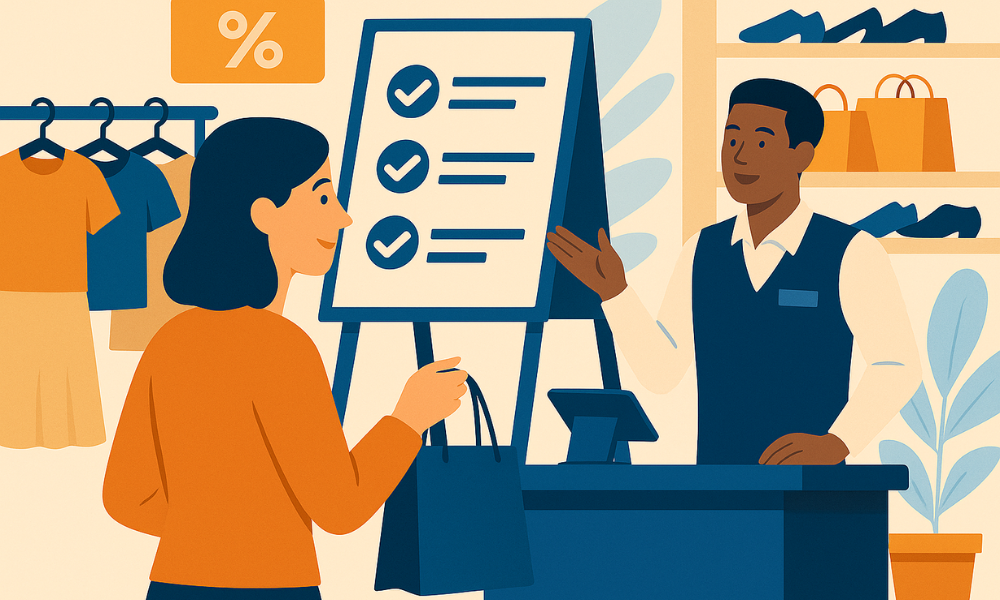

How Important is Customer Experience Design Inside Retail Stores?
Customer experience design inside retail stores is crucial as it directly influences how shoppers perceive and interact with the environment, potentially transforming a simple visit into a memorable experience. A well-executed design not only enhances satisfaction but also builds loyalty and drives sales. Dive in to discover how specific strategies in layout, ambiance, and technology can create a compelling retail experience worth revisiting.
What is Customer Experience Design?
Customer experience design is the art and science of crafting interactions that elevate customer satisfaction by improving usability, accessibility, and the overall pleasure of the shopping journey. Picture a store where every element—from product displays to the music playing—feels like it’s speaking directly to you. This emotional engagement is not by accident; it’s a deliberate design choice that makes physical stores not just places to shop, but destinations to enjoy.
Why is Customer Experience Design Important?
In today’s digital age, physical stores face the formidable challenge of competing with the convenience of online shopping. Here’s why mastering customer experience design is non-negotiable:
- Enhances Customer Satisfaction: Imagine a store where you’re never lost. You find what you need effortlessly, turning what could be a frustrating experience into a joy. This satisfaction is priceless.
- Builds Brand Loyalty: Ever wonder why you keep returning to certain stores? A positive past experience is often the reason, drawing you back and making you an advocate among your peers.
- Increases Sales: It’s simple psychology—when customers linger in a pleasant environment, they’re more likely to spend. The longer they stay, the more they buy.
- Differentiates from Competitors: In a world where stores can seem indistinguishable, a unique customer experience becomes your secret weapon, setting your brand apart.
Key Elements of Customer Experience Design in Retail
Crafting an outstanding customer experience in retail involves several critical components. Let’s explore what makes a store not just functional, but exceptional:
Store Layout
The layout of a store can make or break the shopping experience. An intuitive design can transform a simple store visit into an efficient and enjoyable journey. Consider these elements:
- Logical Flow: Think of it like a well-choreographed dance. Products should be placed in a sequence that feels natural, guiding customers effortlessly from one section to the next.
- Signage: Clear, attractive signs do more than inform—they can intrigue. They should not only direct but also enhance the shopper’s journey through the store.
Lighting and Ambiance
The right lighting does more than just illuminate. It sets the mood and can significantly influence a shopper’s decision to purchase. Here’s how to get it right:
- Balance: The interplay of ambient, task, and accent lighting creates depth and focus, highlighting products while making the space inviting.
- Adjust to Mood: Just as a restaurant might dim the lights for dinner, stores can adjust lighting to suit the time of day or special promotions, enhancing the overall experience.
Sensory Elements
The senses are powerful tools in retail design, capable of creating lasting impressions. Here’s how to make them work for you:
- Sound: The right soundtrack can elevate the shopping experience, aligning with the brand’s identity and even influencing pacing through the store.
- Smell: Scents can evoke memories and emotions. A bookstore might use the aroma of fresh coffee, while a spa uses calming lavender, each enhancing the brand experience.
Technology and Customer Experience
Incorporating technology can turn a routine shopping trip into an interactive adventure. Here’s how tech can elevate the retail experience:
Interactive Displays
Touch screens and interactive displays can captivate customers, providing them with detailed product information at their fingertips, making the shopping experience more engaging and informative.
Mobile Integration
Encourage customers to use their smartphones as part of their shopping journey. Offering apps with special promotions, loyalty programs, or product details can create a seamless, modern experience.
Personalization
Harnessing data analytics allows retailers to tailor the shopping experience. For example, recommending products based on past purchases personalizes the experience, showing customers that the store truly understands their needs.
Measuring Customer Experience
Design changes need evaluation to ensure they’re hitting the mark. Here’s how retailers can gauge the effectiveness of their strategies:
- Surveys: Direct feedback from customers can unveil insights into what’s working and what needs tweaking, ensuring continuous improvement.
- Observation: Watching how customers interact with the store can reveal unspoken preferences and stumbling blocks in navigation.
- Sales Data: Analyzing trends can show if new designs correlate with increased sales, providing a tangible measure of success.
In conclusion, customer experience design inside retail stores is a vital cog in the machinery of modern retail success. By focusing on creating an environment that is not only functional but also emotionally engaging, retailers can build spaces that are memorable and enticing. Next time you walk into a store, notice the thought and detail behind every element—it’s all part of a grand design aimed at enhancing your shopping experience.
Ready to enhance your retail experience? Whether you’re a store owner or a frequent shopper, understanding the intricacies of customer experience design can transform your outlook. Happy shopping!