
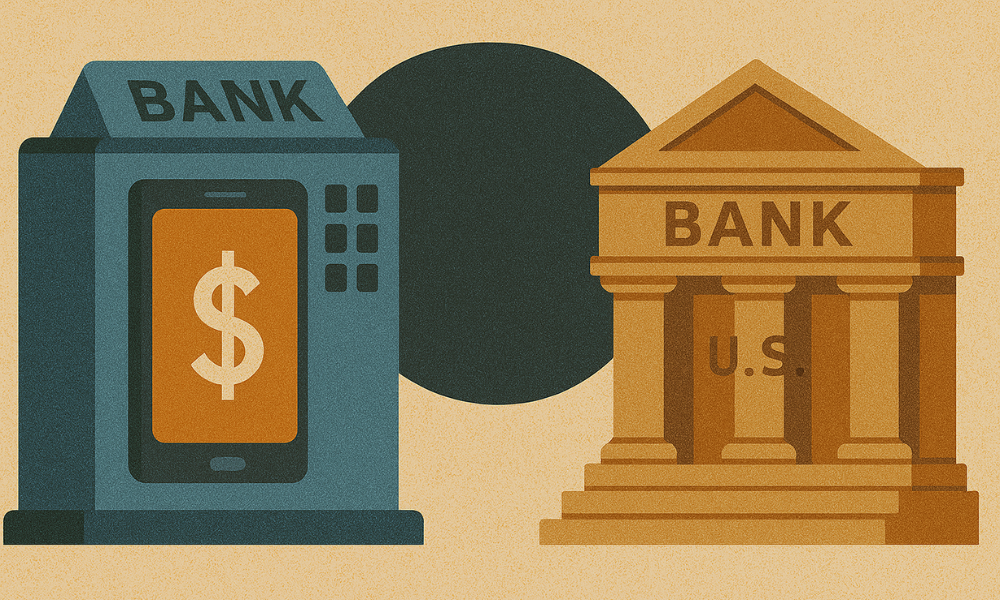

Can digital banks truly compete with traditional U.S. institutions?
Digital banks are making waves in the financial sector, challenging the long-standing dominance of traditional banks by leveraging advanced technology and user-centric offerings. They provide a unique set of benefits, such as lower fees and greater accessibility, that appeal to a tech-savvy generation. Dive into the details to understand the intricacies and implications of this financial evolution.
What Are Digital Banks?
Digital banks, also known as neobanks, operate exclusively through online platforms, eliminating the need for physical branches. They offer a variety of financial services, from basic checking and savings accounts to loans and investment opportunities, all accessible via a mobile app or website. Take, for instance, Chime’s seamless user interface or Ally Bank’s competitive savings rates, which highlight how these banks are reimagining financial interactions.
The Rise of Digital Banking
Over the last ten years, digital banking has surged in popularity, driven by a societal tilt towards digital solutions and the convenience they inherently provide. Why is this trend gaining momentum? A few key reasons stand out:
- Accessibility: Digital banks are always open, allowing you to manage finances from your couch or even while traveling abroad without time constraints.
- Lower Fees: Operating without physical branches reduces costs, enabling these banks to offer services with minimal fees. This often means no ATM charges, a relief for the budget-conscious.
- User-Friendly Apps: With a focus on user experience, these apps are designed to be intuitive, making complex financial tasks feel like a breeze for the average user.
Advantages of Digital Banks
What exactly draws customers to digital banks? Here are a few compelling advantages that make them stand out:
1. Convenience
The ability to manage your entire banking portfolio from a smartphone is a game-changer, especially for those juggling work, family, and social commitments. Imagine transferring funds or paying bills while you’re on the go, without a second thought.
2. Competitive Interest Rates
In the realm of savings accounts, digital banks often offer higher interest rates compared to their traditional counterparts. This can make a significant difference over time, turning a modest savings account into a substantial nest egg.
3. No Hidden Fees
Transparency is a hallmark of digital banks. Many do not charge typical fees such as monthly maintenance or overdrafts, which not only makes financial planning easier but also more predictable.
Challenges Faced by Digital Banks
Despite their many benefits, digital banks face hurdles that can affect their ability to compete on equal footing with traditional banks.
1. Limited Services
While digital banks offer essential banking services, their product range can be limited. For example, obtaining a mortgage or engaging in complex investment strategies may require turning to traditional banks.
2. Customer Support
Without physical locations, digital banks must rely on virtual customer service. This can be a drawback for those who prefer face-to-face interactions when resolving issues or seeking advice.
3. Trust and Security
Although digital banks have robust security measures, the absence of a physical presence can create trust issues. Many customers feel reassured by the familiar storefronts of long-established banks, which digital banks must work hard to replicate in digital form.
Comparing Digital Banks and Traditional Institutions
To assess how digital banks measure up against traditional ones, consider these critical comparison points:
| Feature | Digital Banks | Traditional Banks |
|---|---|---|
| Physical Branches | No | Yes |
| Interest Rates | Higher | Lower |
| Fees | Lower or None | Higher |
| Customer Support | Online Only | In-Person & Online |
| Range of Services | Limited | Comprehensive |
What Traditional Banks Are Doing
Traditional banks are not sitting back as digital banks gain ground. They are adopting technology and revamping their services to stay competitive. Here’s how they are keeping pace:
- Improving Mobile Banking: Investing in sleek and intuitive apps that enhance user experience is a priority, ensuring they meet modern consumer expectations.
- Offering Competitive Rates: Some traditional banks are adjusting their interest rates and fee structures in a bid to attract new customers and retain existing ones.
- Hybrid Models: By blending the convenience of online banking with the reassurance of in-person service, they provide a comprehensive banking experience.
Which Is Right for You?
When choosing between digital and traditional banks, it’s essential to align your choice with your financial habits and needs. Consider these questions:
- Do you value the option of visiting a local branch for personalized service?
- Is minimizing fees and maximizing convenience your top priority?
- Do you require a broad array of financial services and products?
Answering these can help you make an informed decision that supports your financial objectives.
The Future of Banking
As technology continues its rapid evolution, the banking sector will undoubtedly transform. Digital banks are set to continue growing, but traditional banks will not be left behind, adapting to new trends. The future likely lies in a harmonious blend of both, offering consumers a seamless banking experience.
In the ongoing competition between digital and traditional U.S. banks, each has its strengths and weaknesses. While digital banks excel in convenience and cost-efficiency, traditional banks offer security and comprehensive service. Your choice should reflect your preferences and financial goals. Stay informed, evaluate your options, and select the banking path that suits you best!