
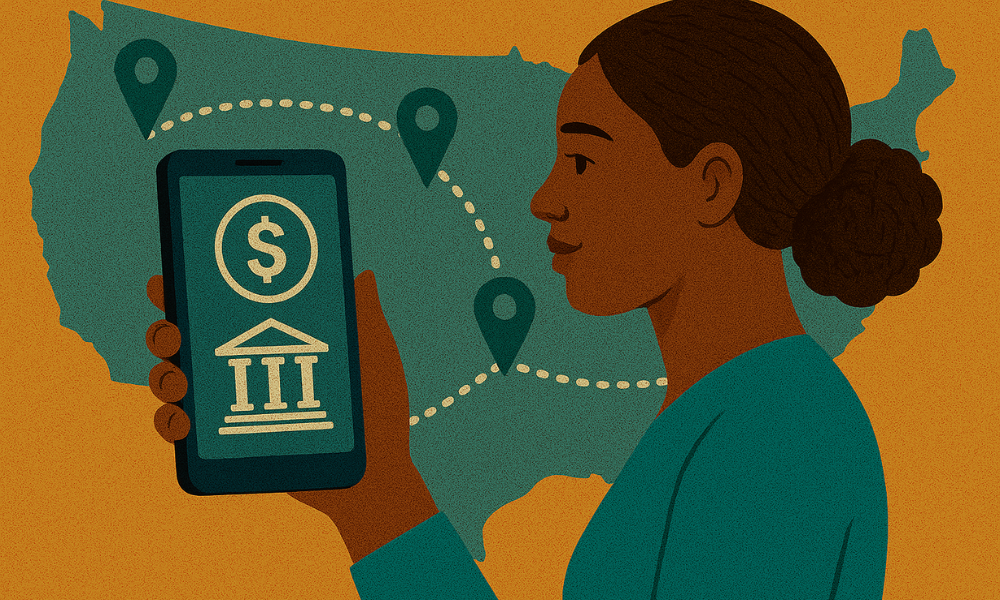

Can fintech help close the financial inclusion gap in America?
Yes, fintech can significantly contribute to bridging the financial inclusion gap in America. By leveraging technology, fintech provides innovative solutions that make financial services more accessible to underserved populations. To fully grasp how fintech accomplishes this, let’s explore the various ways it is reshaping access to financial services and the challenges it faces.
Understanding Financial Inclusion
The concept of financial inclusion revolves around ensuring that every individual has access to essential financial services, regardless of their economic status or geographic location. This encompasses access to bank accounts, credit, and investment tools. In the United States, financial exclusion remains a challenge, with millions still unbanked or underbanked. The FDIC reports that approximately 7.1 million households lack a bank account, and another 24.2 million are underbanked, relying on alternative financial means. This limited access hinders individuals’ ability to manage money effectively, impeding wealth accumulation and financial stability.
How Fintech is Bridging the Gap
Fintech companies are rising to the occasion with innovative solutions aimed at those most in need. Let’s examine how these tech-driven financial services are making a difference:
1. Mobile Banking and Payment Solutions
The widespread adoption of smartphones has revolutionized banking. Fintech applications like Chime and Cash App allow users to set up bank accounts swiftly, often without the hassle of minimum balance necessities. These platforms typically provide:
- Reduced or zero fees
- Instantaneous money transfers
- Intuitive user interfaces
By minimizing traditional banking barriers, these services encourage previously wary individuals to engage in digital money management, advancing financial inclusion. Imagine a single mother juggling two jobs who can now pay bills on her lunch break or receive instant deposits; that’s the real-world impact of mobile banking.
2. Alternative Credit Scoring
Conventional credit scoring often excludes those without extensive credit histories. Fintech steps in with alternative models that assess creditworthiness through unconventional criteria like:
- Payment history on utilities
- Regular rent payments
- Overall bank transaction records
This innovative approach democratizes access to credit, enabling more people to qualify for loans and credit cards. It’s a game-changer for someone like a young graduate renting their first apartment, who might not have a traditional credit score but pays rent and utilities consistently.
3. Financial Education and Resources
Many fintech platforms emphasize boosting financial literacy by offering users educational resources and tools. Apps such as Mint and YNAB (You Need A Budget) provide budgeting aids and financial guidance, helping users make savvy financial decisions.
By equipping users with knowledge, fintech empowers them to navigate financial landscapes more effectively. Consider a newly married couple learning to budget for their first home; these tools can transform their understanding and control over their finances.
Challenges Facing Fintech in Promoting Inclusion
While fintech presents promising solutions, several hurdles must be overcome to close the financial inclusion gap effectively:
1. Digital Divide
Access to technology remains a significant obstacle. Not everyone owns a smartphone or has consistent internet access, especially in rural or low-income areas. Without these tools, fintech’s reach is limited, highlighting the need for broader digital infrastructure.
2. Trust and Security Concerns
Privacy and data security concerns can deter potential users from embracing fintech services. Building trust is paramount for fintech companies aiming to expand their user base. After all, who hasn’t heard a story of data breaches that left users wary?
3. Regulatory Hurdles
Fintech companies must navigate a complex web of regulations, which can stifle innovation. Striking a balance between regulatory compliance and fostering a conducive environment for fintech growth is essential. This challenge is akin to walking a tightrope between innovation and regulation.
Success Stories: Fintech in Action
Numerous success stories illustrate fintech’s potential to enhance financial inclusion. Highlighted examples include:
- Grameen America: By offering microloans to women entrepreneurs, this organization empowers women to initiate and expand their businesses, transforming lives and communities.
- Aspire: A mobile banking application tailored for underserved communities, featuring low fees and educational resources, making banking accessible to all.
- SoFi: Providing student loans, personal loans, and financial education, SoFi eases access to credit and financial advice for young adults stepping into the financial world.
Each of these initiatives showcases fintech’s ability to empower individuals, fostering broader economic participation and resilience.
What’s Next for Fintech and Financial Inclusion?
The future of fintech in addressing financial inclusion looks promising, with several trends emerging:
- Increased Partnerships: Collaborations between fintech firms and traditional banks could lead to more inclusive financial products.
- Focus on Underrepresented Communities: A growing number of fintech startups are targeting specific niches, designing solutions for unique demographic needs.
- Regulatory Innovation: As regulators adapt to the evolving fintech scene, we may witness new policies that balance consumer protection with encouraging innovation.
Conclusion: Embracing the Change
Fintech holds the promise of a transformative impact on financial inclusion in America. By making financial services more accessible and empowering individuals through education, it can significantly narrow the gap for those historically underserved. However, overcoming technological and trust barriers remains crucial as we forge ahead.
As consumers, staying informed about fintech opportunities allows us to harness these innovations for our financial benefit. Together, we can embrace this change and drive towards a more inclusive financial future.