
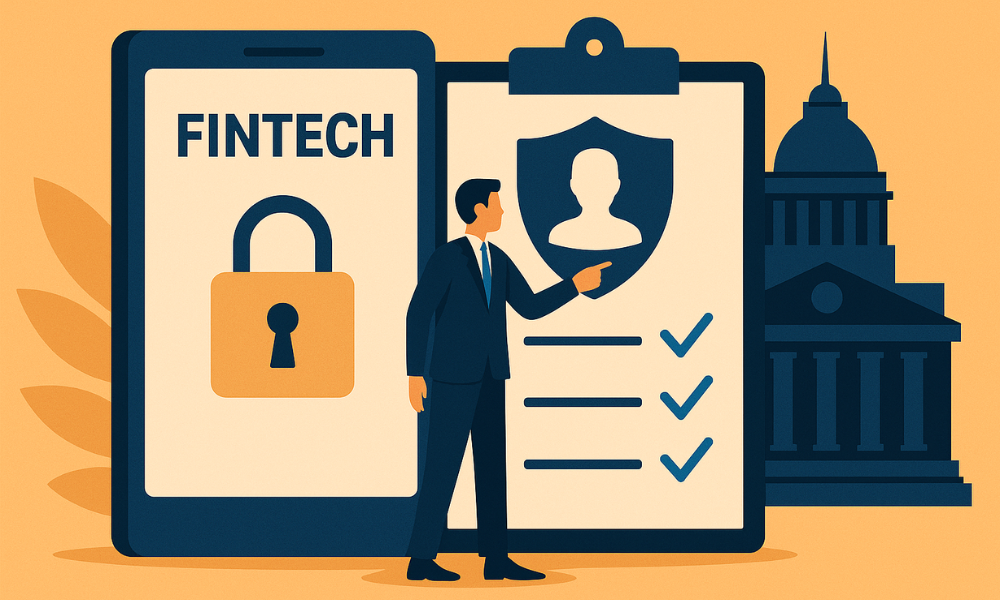

How can fintechs ensure compliance with evolving U.S. privacy laws?
Fintech companies can ensure compliance with evolving U.S. privacy laws by actively staying updated with regulatory changes, conducting regular internal audits, and implementing robust data protection strategies. These actions are crucial as they directly impact how fintechs safeguard sensitive customer information in a rapidly changing legal environment. Understanding the intricacies involved and executing these measures diligently is essential for maintaining trust and operational integrity. Read on to discover the key steps and challenges involved in this process.
Understanding U.S. Privacy Laws
Grasping U.S. privacy laws is a bit like piecing together a puzzle; there is no unified federal law governing data privacy. Instead, a tapestry of federal and state laws applies, each with its own nuances. For instance, the Gramm-Leach-Bliley Act (GLBA) mandates that financial institutions disclose their data-sharing practices. This requirement aims to empower customers with transparency, fostering trust. Meanwhile, the California Consumer Privacy Act (CCPA) highlights data rights for California residents, allowing them to understand and manage their personal data better. The Health Insurance Portability and Accountability Act (HIPAA) surfaces in the fintech space when health-related financial services are involved, ensuring that sensitive health data remains protected. Even the General Data Protection Regulation (GDPR), primarily an EU regulation, affects U.S. fintechs dealing with EU residents, necessitating a global perspective on privacy law adherence.
Why Compliance Matters for Fintechs
Compliance is not merely a legal formality; it is the bedrock of customer trust and a strategic advantage. When customers feel confident that their data is being handled responsibly, they are more willing to engage with a fintech service. This trust becomes a competitive differentiator in a crowded market. Additionally, non-compliance can lead to significant financial repercussions, including hefty fines and legal battles that can tarnish reputations. On the flip side, a robust compliance program can position a fintech company as a leader in data protection, drawing in privacy-conscious customers. In essence, compliance shapes the perception of a company’s credibility and reliability.
Steps for Ensuring Compliance
1. Stay Informed
Keeping abreast of ever-changing privacy laws is critical for fintechs. This involves more than just subscribing to newsletters; it requires active participation in the legal and tech communities. Webinars and conferences provide real-time insights and foster networking opportunities with industry leaders. Engaging with legal experts and compliance officers ensures that a fintech company is not just reacting to changes but anticipating them. This proactive stance is what differentiates a compliant company from a non-compliant one.
2. Conduct Regular Audits
Regular audits serve as a compass, guiding fintechs through the complexities of compliance. These audits should scrutinize data collection processes, ensuring they align with current laws. Privacy policies need not only to be up-to-date but also easily accessible to consumers, reflecting transparency. Testing data protection measures, such as encryption and access controls, ensures that if a data breach occurs, the company’s defenses are robust and responsive plans are in place. By identifying potential vulnerabilities, fintechs can adapt and fortify their strategies accordingly.
3. Implement Strong Data Protection Measures
The security of customer data hinges on the strength of a fintech’s protection measures. Encryption is a fundamental tool, safeguarding data both during transfer and when stored. Access controls limit who can see and use customer data, essential for minimizing insider threats. Regular training sessions for employees ensure everyone understands the importance of these measures and how to implement best practices in their daily operations. A well-informed team is a fintech’s first line of defense against data breaches.
4. Develop a Privacy Policy
A privacy policy should be a living document, clearly outlining how data is collected, used, and shared. It must address customers’ rights to access and control their information. Moreover, this policy should be communicated in a way that is easily understandable, devoid of legal jargon that might alienate customers. By presenting a transparent and comprehensive policy, fintechs can alleviate consumer concerns and foster a culture of openness.
5. Engage with Customers
In a world where data breaches are not uncommon, transparency becomes a fintech’s ally. Clear communication regarding data practices is essential. Encouraging feedback on privacy policies allows customers to feel their voices are heard and their concerns are valid. Responding promptly to privacy-related inquiries demonstrates commitment to consumer rights, reinforcing trust and loyalty. This engagement is not just a good practice but a vital part of building a sustainable relationship with customers.
Challenges Fintechs Face in Compliance
Compliance, while beneficial, comes with its hurdles. The multitude of regulations can be daunting, especially for startups navigating the field. Rapid technological advancements compound these challenges, as new tools and platforms may not immediately align with existing laws. Smaller fintechs, in particular, may struggle with resource allocation, lacking the personnel or finances to establish comprehensive compliance programs. These challenges require innovative solutions and strategic planning to overcome.
The Future of Compliance in Fintech
The compliance landscape is evolving, with several trends poised to shape the future. Regulatory bodies are likely to implement more stringent rules as data privacy concerns rise globally. Emerging technologies such as AI and blockchain offer new avenues for compliance, potentially automating complex processes and improving data security. Moreover, as consumers become more informed about their data rights, fintechs must prioritize transparency and ethical data use. Adapting to these trends will be crucial for fintechs aiming to thrive in the future.
In conclusion, navigating the maze of U.S. privacy laws is a dynamic challenge for fintechs, but it is one that’s essential for building trust and fostering customer loyalty. By staying informed, conducting thorough audits, implementing strong data protection measures, and maintaining clear privacy policies, fintechs can effectively manage compliance. Beyond avoiding penalties, these efforts are pivotal in cultivating a trusted brand that customers can rely on. As the landscape continues to shift, proactive engagement with both regulations and customers will be key to sustained success.