
How are fintechs revolutionizing small business lending in the U.S.?
Fintech companies are fundamentally reshaping the realm of small business lending in the United States by offering faster, more accessible, and flexible financing options. Traditional barriers like lengthy applications and stringent credit requirements are becoming a thing of the past. Instead, fintechs provide a streamlined, technologically-driven alternative that appeals to a wider audience of business owners. Dive deeper to uncover the specifics of how these innovations are changing the game for entrepreneurs nationwide.
What is Fintech?
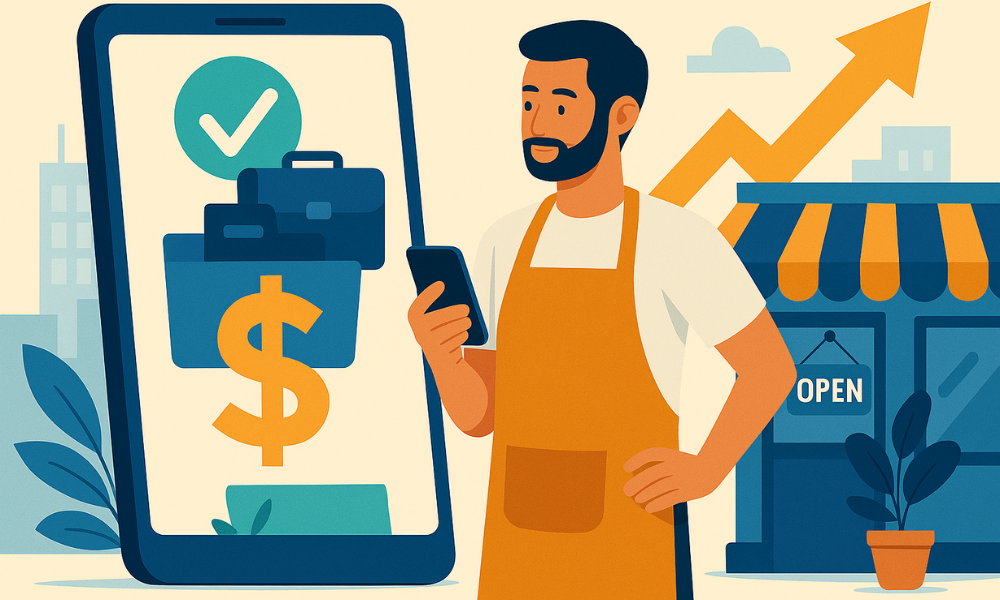
Fintech, short for financial technology, represents the fusion of cutting-edge technology with financial services to enhance and streamline operations. This wide-ranging field covers everything from mobile banking apps that let you manage finances from anywhere, to sophisticated online payment systems that simplify transactions. In the lending sector, fintechs employ technology-driven solutions to offer more accessible and efficient financing options. Imagine applying for a loan from your phone and getting approved within hours—a stark contrast to traditional methods.
The Traditional Lending Landscape
The conventional path to securing a loan for small businesses usually involved a trip to the bank, mountains of paperwork, and an often lengthy approval process. Credit unions and banks have historically been the go-to sources but often with a high barrier to entry. Small businesses without a robust credit history or those just starting found themselves excluded. The process was not only time-consuming but daunting, with many ending up empty-handed. This is precisely where fintechs have stepped in, providing a breath of fresh air and opportunity for many entrepreneurs.
How Fintechs are Changing the Game
1. Streamlined Application Processes
One of the standout benefits that fintechs offer is the simplification of the loan application process. Forget about stacks of paperwork; now, a business owner can apply online in just a few minutes. Advanced algorithms and data analytics are employed to assess applications swiftly, often resulting in decisions in a fraction of the time taken by traditional lenders. This efficiency is not just about speed; it also reduces human error, making the process more reliable.
2. Enhanced Accessibility
Fintechs have opened the lending market to a broader spectrum of small business owners. By focusing on underserved markets, they provide opportunities for startups and businesses with less-than-ideal credit scores that traditional banks might bypass. Imagine being a young entrepreneur with a brilliant idea but no credit history—fintechs can be the lifeline that turns your dream into reality. Their willingness to look beyond conventional credit assessments paves the way for innovation and growth.
3. Flexible Lending Options
The variety of loan products offered by fintechs is another game-changer. From short-term loans to merchant cash advances and lines of credit, these options are tailored to fit the unique needs of each business. Such flexibility allows entrepreneurs to choose financing solutions that perfectly align with their business objectives and cash flow requirements. In contrast, traditional lenders often provide a one-size-fits-all product, which can be limiting.
4. Competitive Rates and Fees
Operating with lower overhead costs allows fintechs to offer competitive interest rates and reduced fees compared to traditional banks. This translates to significant savings for small business owners seeking funding. Imagine securing the financing your business needs without the daunting cost implications—a distinct advantage that fintechs provide. This affordability is key for small businesses that often operate on tight budgets and need every financial break they can get.
Challenges and Considerations
While the advantages of fintechs in small business lending are substantial, potential borrowers should be aware of some challenges:
- Understanding Terms: The simplicity of obtaining a loan can sometimes overshadow the need to fully grasp the terms and conditions. Borrowers should take care to scrutinize the fine print to avoid surprises down the road.
- Variable Rates: Some fintech loans may come with variable interest rates, which can fluctuate over time, affecting budget planning and financial stability.
- Regulatory Oversight: As the fintech industry evolves, regulatory frameworks are still catching up. Ensuring that you’re dealing with reputable companies is crucial to mitigate risks associated with less established providers.
Case Studies: Successful Fintechs in Small Business Lending
To truly grasp the impact of fintechs, let’s delve into some success stories:
1. Kabbage
Kabbage has made a name for itself by offering lines of credit tailored to small businesses. Their innovative approach uses real-time business data to evaluate creditworthiness, enabling business owners to access funds swiftly, often within mere hours. This real-time evaluation not only speeds up the process but aligns funding capabilities with business realities, offering a much-needed lifeline to many entrepreneurs.
2. Square Capital
Square Capital, linked to the well-known payment processing company Square, provides loans to businesses by leveraging sales data to gauge borrowing capacity. This unique model simplifies the lending process and aligns loan amounts with actual revenue, offering a more intuitive and feasible financing option for many small businesses.
Future Trends in Fintech Lending
The horizon for fintech in small business lending is bright, with several exciting trends on the rise:
- Artificial Intelligence: AI is set to further revolutionize credit risk assessment and streamline underwriting processes, providing even more precise and efficient evaluations.
- Blockchain Technology: This emerging technology promises to enhance transaction security and streamline lending operations, offering greater transparency and reliability.
- Personalization: As data analytics become increasingly sophisticated, fintechs are likely to offer even more personalized lending solutions, tailoring products to the specific needs of individual businesses.
In conclusion, fintech companies are indeed transforming the landscape of small business lending in the U.S. with their innovative approaches, streamlined processes, and competitive offerings. While challenges remain, the overall trend points to a more inclusive and efficient lending environment. For small business owners in search of financing, exploring fintech possibilities could be the key to unlocking growth and success. So, why wait? Delve into the world of fintech lending and see how it could propel your business forward today!