
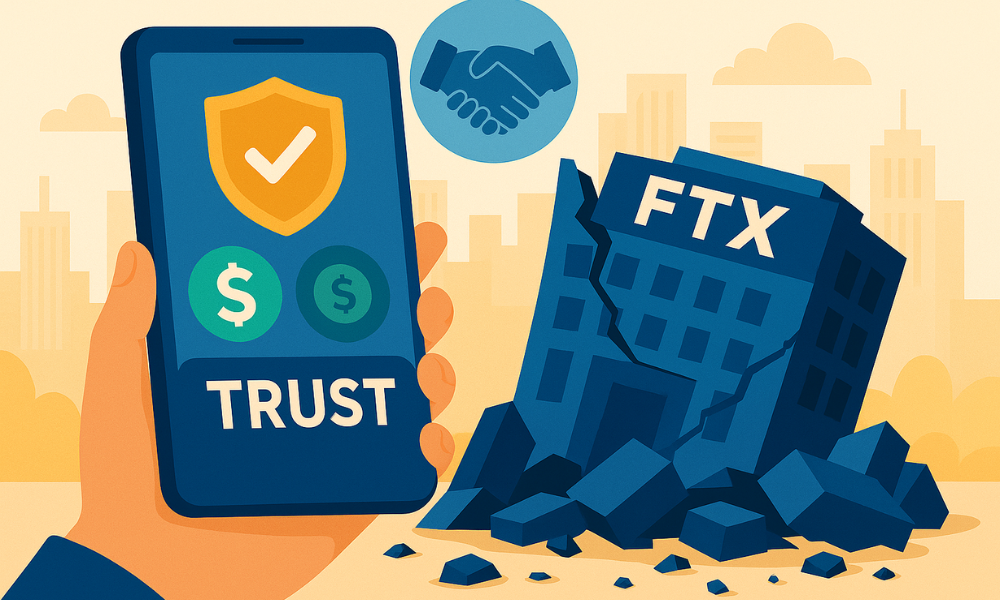

How can fintech platforms build customer trust in a post-FTX world?
Building customer trust in the fintech sector, particularly after the FTX collapse, revolves around the core principles of transparency, robust security, and customer-centric practices. Fintech platforms must demonstrate openness in their operations, invest in cutting-edge security measures, and consistently put customer needs at the forefront. Dive into the article to discover the comprehensive strategies that will not only reassure but also empower users to confidently engage with fintech services.
The Importance of Trust in Fintech
Trust serves as the bedrock of any financial service, and within the fintech landscape, it’s even more pivotal. Consumers are entrusting these platforms with their finances, along with their personal and sensitive data. When a major disruption like the FTX scandal occurs, it doesn’t just ripple through the market—it sends shockwaves that undermine customer confidence across the board. Fintech companies must face this reality head-on, adopting proactive measures to restore and fortify trust through genuine transparency, stringent security protocols, and unwavering customer-focused service. Consider a seasoned investor who, after witnessing the FTX debacle, hesitates to engage with digital platforms despite their potential. Addressing his concerns could indeed turn apprehension into advocacy.
Transparency is Key
Transparency lays the groundwork for trust in fintech. Platforms can cultivate this through openness about operations, fee structures, and security practices. Take, for example, a fintech app that clearly communicates its fee structure upfront, avoiding any unwelcome surprises for its users. Here are some ways to bolster transparency:
- Clear Communication: Offer simple, jargon-free explanations of services and fees. This approach helps demystify fintech for users who may not be tech-savvy.
- Regular Updates: Inform customers promptly about any policy changes, security enhancements, or organizational shifts. Imagine receiving timely notifications that keep you in the loop—it’s a small gesture that goes a long way.
- Accessible Information: Provide easily accessible resources, such as FAQs and educational content about the platform’s functionalities. This could be in the form of interactive guides or video tutorials that cater to diverse learning preferences.
Robust Security Measures
In an era marked by frequent data breaches and sophisticated cyber threats, security cannot be compromised. Fintech platforms must prioritize advanced security measures to safeguard user information. Consider a platform that not only implements two-factor authentication but also educates users on its benefits—such initiatives reinforce a culture of security. Here are some essential security steps:
- Two-Factor Authentication: Encourage or mandate the use of two-factor authentication (2FA) to provide an additional security layer. It’s akin to having a double lock on your front door.
- Data Encryption: Employ state-of-the-art encryption protocols to protect sensitive user data. This ensures that even if data is intercepted, it remains unreadable and secure.
- Regular Security Audits: Conduct routine audits and vulnerability assessments to identify and rectify potential weaknesses. This proactive approach can prevent minor issues from escalating into major threats.
Customer-Centric Practices
Rebuilding trust hinges on prioritizing customer experience and satisfaction. Fintech companies should adopt practices that put their customers first. Imagine a scenario where your issue is resolved swiftly through responsive support—such experiences enhance trust. Here are some customer-centric practices:
- Responsive Customer Support: Offer multiple support channels, such as live chat, email, and phone support, to ensure queries are addressed promptly. Think of it as having a tech-savvy friend who’s always ready to help.
- Personalized Experiences: Use data analytics to tailor services that meet individual preferences and needs, creating a personalized journey for each user.
- Feedback Mechanisms: Implement systems for collecting and acting on customer feedback. This continuous loop of improvement helps refine the platform and meet evolving user expectations.
Building a Community of Trust
Fostering a sense of community significantly boosts trust. Fintech platforms can engage with users and create a supportive environment. For example, an active forum where users share insights can make a platform feel more like a community than a mere service provider. Here are some ways to build this community:
- Educational Content: Offer resources like webinars, articles, and tutorials to help users understand both the platform and the broader financial landscape.
- Engagement on Social Media: Actively engage in social media conversations, showcasing commitment to transparency and community involvement.
- Building Partnerships: Collaborate with reputable organizations or influencers to enhance credibility and expand reach to a broader audience.
Regulatory Compliance and Ethical Standards
In the aftermath of FTX, adherence to regulatory standards has never been more crucial. Fintech platforms must prioritize ethical practices and ensure compliance with all applicable regulations. This approach not only builds trust but also sets a standard for others in the industry. Imagine a fintech company regularly updating its users on compliance measures—such transparency is reassuring. Here’s how platforms can uphold these standards:
- Stay Informed: Keep abreast of regulatory changes and ensure compliance with local and international laws.
- Ethical Practices: Adhere to ethical standards in all operations, from marketing to data privacy and security.
- Transparency in Reporting: Regularly publish reports on compliance and practices to keep users informed and assured of the platform’s integrity.
The Role of Technology in Building Trust
Technology itself can be a formidable ally in fostering trust. Fintech platforms can harness technology to ensure a seamless and secure user experience. Consider the power of blockchain in providing transparent transaction records, or AI in delivering personalized customer support. Here’s how technology can be leveraged effectively:
- Blockchain Technology: Implement blockchain to offer transparency in transactions, enabling customers to verify transaction integrity easily.
- AI-Powered Customer Support: Utilize AI to enhance customer service, providing instant responses and support while retaining a human touch.
- Data Analytics: Leverage data analytics to anticipate customer needs and improve user experience, making the platform more intuitive and user-friendly.
In a post-FTX world, fintech platforms have a unique opportunity to rebuild customer trust by focusing on transparency, security, and customer-centric strategies. By enhancing user experience, fostering community engagement, ensuring regulatory compliance, and leveraging technology, these platforms can reassure customers and encourage them to engage confidently with their services. Trust is not built overnight, but with consistent effort and a commitment to excellence, fintech companies can emerge stronger and more reliable than ever.
Are you ready to explore the world of fintech with renewed confidence? Remember, your financial well-being is paramount, and choosing a trustworthy platform is the first step towards a secure financial future.