
What Does the Future of Personal Finance Education Look Like?
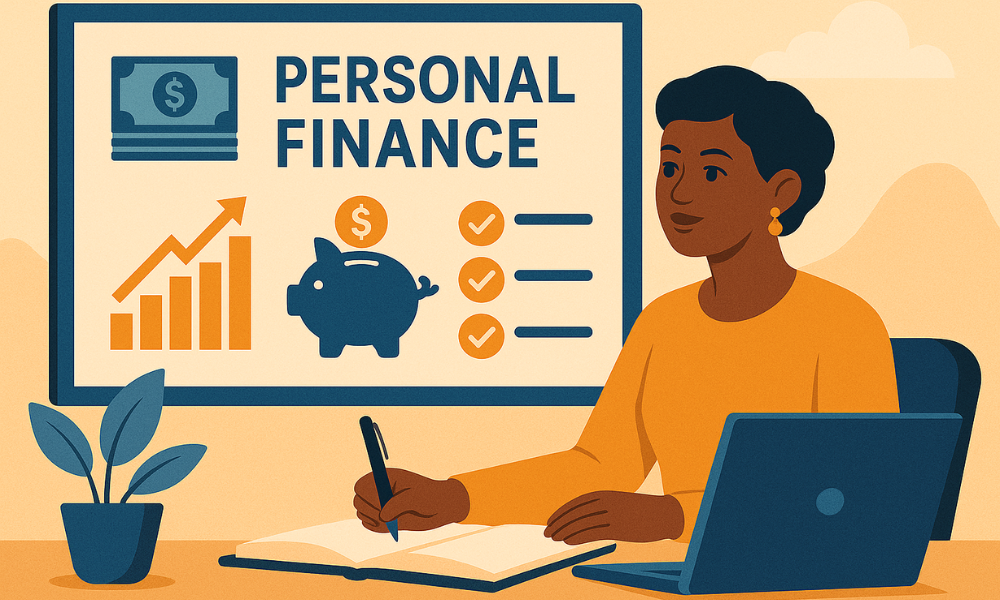
Personal finance education is set to become more accessible and dynamic, with digital tools and interactive experiences leading the charge. Innovative platforms and engaging methods are transforming how we learn to manage money. Read on to discover how these advancements are shaping financial literacy for the future.
The Rise of Digital Learning Platforms
The evolution from textbooks to digital platforms has radically redefined personal finance education. Today, learning financial skills can be done anytime and anywhere, thanks to online resources.
Online Courses and Webinars
Platforms like Coursera, Udemy, and Skillshare offer users an extensive array of courses focused on personal finance. These online platforms provide:
- Interactive courses on budgeting, investing, and retirement planning, allowing learners to engage with content actively.
- Webinars featuring industry experts who can offer insights into the latest trends and practical financial strategies.
- Flexible learning schedules that cater to diverse lifestyles, perfect for those juggling work, study, and personal commitments.
Mobile Apps for Financial Literacy
Mobile applications are integral to the personal finance education movement, offering tools that go beyond simple money management. Apps such as Mint, YNAB (You Need A Budget), and Acorns provide:
- Capabilities to meticulously track spending habits over time, highlighting areas for potential savings.
- Educational resources on investment strategies, empowering users to make informed decisions.
- Prompt updates and tips directly to users’ phones, allowing for constant and convenient learning.
Interactive Learning Experiences
Engagement is a cornerstone of effective education, and personal finance learning is no exception. The future leans heavily towards interactive experiences that transform learning into a lively and enjoyable activity.
Gamification of Financial Education
The incorporation of game-like elements into learning, known as gamification, is making waves in financial education. This innovative approach can turn routine financial tasks into stimulating challenges. Consider these examples:
- Quizzes and challenges that reward users for completing financial tasks, making learning feel like an achievement.
- Simulations that replicate real-life financial scenarios, allowing users to experience consequences in a risk-free environment.
- Leaderboards that foster a friendly competitive spirit, encouraging users to engage and improve continually.
Community-Driven Learning
Online forums and communities have become valuable resources for collective learning in personal finance. Platforms like Reddit and Facebook Groups offer spaces where:
- Individuals can freely discuss personal finance challenges, gaining diverse perspectives and solutions.
- Members share success stories and practical advice, enriching each other’s learning experience.
- Learning becomes a shared journey, building a sense of camaraderie and support among participants.
Personal Finance Education in Schools
There’s a growing momentum toward integrating personal finance education into school curriculums, as educators and policymakers recognize its critical importance in preparing students for future financial independence.
Curriculum Integration
School districts are increasingly embedding personal finance into their educational frameworks. This integration ensures students gain knowledge in:
- Budgeting and saving from a young age, fostering lifelong financial habits.
- Understanding credit scores and loans, equipping them with the tools to navigate adult financial landscapes.
- Investment basics and financial planning, encouraging a proactive approach to future financial stability.
Community Partnerships
Collaborations between schools, local businesses, and financial institutions are bringing real-world financial insights directly to students. These partnerships often feature:
- Guest speakers from various financial sectors, offering students firsthand knowledge and inspiration.
- Hands-on activities that simulate financial decision-making, providing practical experience.
- Opportunities for students to manage budgets for school projects, applying theory to practice.
The Role of Social Media in Financial Education
Social media is revolutionizing the way financial information is disseminated, with platforms such as Instagram, Twitter, and YouTube leading the charge in financial literacy.
Short-Form Content for Quick Learning
The advent of concise, digestible content formats has made it easier than ever to grasp financial concepts quickly. This approach allows users to:
- Learn about financial topics in just a few minutes, fitting education into even the busiest schedules.
- Engage with content that is tailored to their personal financial journeys, making learning more relevant and impactful.
- Follow experts who provide content that matches their preferred styles of learning.
Building a Financial Community
Social media platforms are not just for content consumption; they are breeding grounds for vibrant financial communities. These online spaces allow users to:
- Share personal experiences and financial tips, creating an invaluable resource for others.
- Engage in discussions on current financial events, staying informed and up-to-date.
- Motivate one another to achieve financial goals, fostering a culture of support and encouragement.
Conclusion: Taking Charge of Your Financial Future
The landscape of personal finance education is expanding, with digital innovation making financial literacy more accessible and engaging than ever before. Through digital platforms, interactive experiences, and social media, the tools at our disposal continue to grow.
Embracing these resources empowers you to take control of your financial destiny with confidence and insight. So, why delay? Immerse yourself in the evolving world of personal finance education and start crafting a secure financial future today!