
Should We Fear Generative AI for Data Confidentiality?
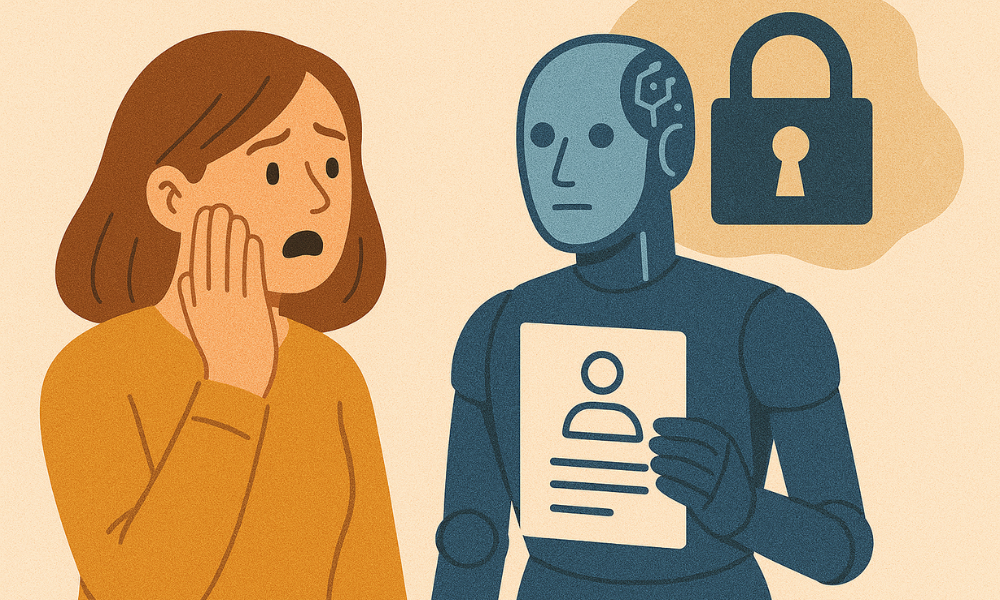
Generative AI undeniably poses significant challenges to data confidentiality by potentially exposing sensitive information it has been trained on. The fear isn’t unfounded as AI technology continues to evolve, potentially leaking personal data. However, understanding these risks enables us to harness AI’s benefits while safeguarding privacy. Read on to delve into the complexities and learn how to navigate them effectively.
The Rise of Generative AI
Generative AI, a term that’s been making waves in tech circles, involves algorithms capable of creating new content from the data they’ve learned. This includes generating text, images, music, and other creative outputs. For example, tools like OpenAI’s ChatGPT and DALL-E have amazed us with their ability to produce coherent text and visually stunning images. Businesses are particularly keen to explore these capabilities for various applications, such as automating content creation and enhancing customer interactions. However, the power of generative AI comes with strings attached, especially regarding data confidentiality.
Understanding Data Confidentiality
Data confidentiality is all about keeping personal and sensitive information out of unauthorized hands. In a world where data breaches are alarmingly common, preserving confidentiality is paramount. Consider the impact on a company if a data breach reveals customer information—it’s not just a technical issue but a trust one too. So, what does generative AI mean for this crucial aspect of data management?
The Risks Involved
The allure of generative AI is undeniable, yet it brings notable risks concerning data confidentiality:
- Data Leakage: Generative models learn from extensive datasets, which might unknowingly contain private details. Imagine an AI generating a seemingly harmless output that accidentally includes sensitive data—this could lead to serious privacy issues.
- Unauthorized Use: Without proper security, generative AI systems could be manipulated by bad actors to gain access to confidential data. The ramifications could be far-reaching, affecting both individuals and organizations.
- Misuse and Misinformation: The AI’s ability to create believable yet false information presents opportunities for misinformation campaigns that could sway public opinion or even lead to financial fraud.
Real-World Examples of Risks
Let’s explore scenarios where these risks manifest:
- A company utilizing AI for email drafting could inadvertently include private client data from past communications, exposing them to potential breaches.
- An AI system trained on open data might fabricate a believable yet false news story, leading to widespread misinformation.
- A malicious user gaining control of an AI model could craft phishing emails so sophisticated that recipients find them indistinguishable from genuine communication.
Benefits of Generative AI
Despite the potential pitfalls, generative AI also offers promising benefits that can bolster data confidentiality:
- Improved Security Measures: AI can detect patterns in security breaches, suggesting improvements that fortify data protection strategies.
- Data Anonymization: By anonymizing data, generative AI keeps it useful for analysis while masking personal identifiers, thus enhancing privacy.
- Enhanced Privacy Controls: These AI systems can develop advanced privacy settings, empowering users to maintain better control over their data.
Best Practices for Protecting Data Confidentiality
So, how can individuals and organizations protect their data while leveraging generative AI? Here are some strategies:
- Understand the Technology: Gain a thorough understanding of how generative AI operates and its implications for data privacy to make informed decisions.
- Choose Reputable Providers: Partner with AI vendors who prioritize security and are transparent about their data practices.
- Implement Access Controls: Limit access to sensitive information, ensuring only authorized personnel can interact with AI tools.
- Regularly Audit Data Usage: Monitor data usage to ensure it aligns with privacy standards and regulations, thereby preventing potential leaks.
- Stay Informed: Keep up with the latest advancements in AI and data privacy to remain proactive in safeguarding your information.
Ultimately, the question of whether to fear generative AI for data confidentiality isn’t straightforward. While legitimate privacy concerns exist, the technology also offers methods to promote secure and responsible data use. By staying informed and adopting diligent practices, you can leverage the advantages of generative AI without jeopardizing your data’s confidentiality. What are your thoughts? Are you intrigued by the opportunities generative AI presents, or are the risks too daunting? Whatever your stance, proactive data privacy measures will be your best ally in this rapidly changing landscape.