
How can HR use AI to recruit better?
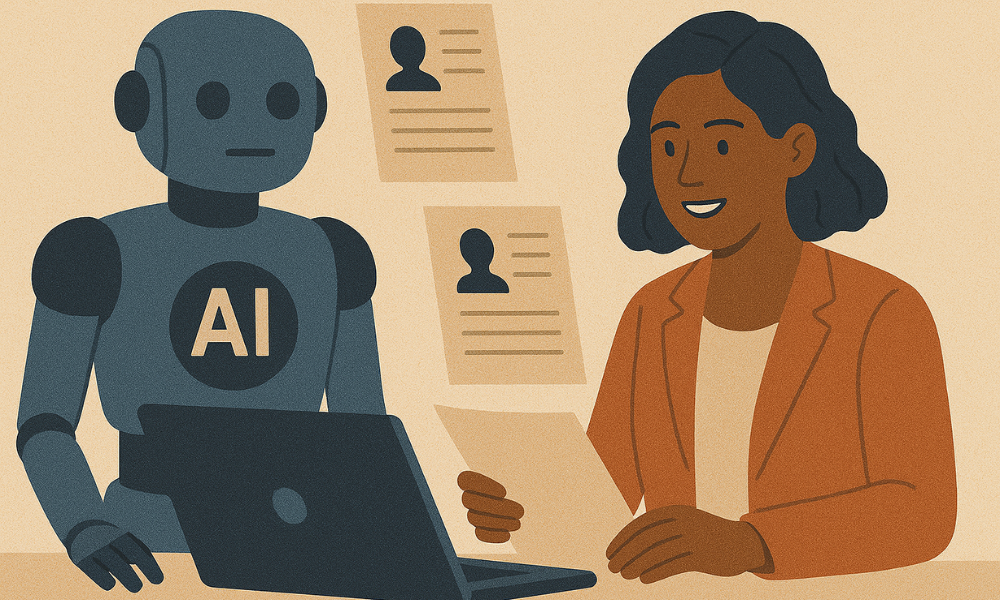
AI fundamentally transforms recruitment by automating repetitive tasks, refining candidate matching, and enhancing decision-making through data analytics. These capabilities enable HR teams to streamline their processes, ensuring more efficient recruitment and improved candidate experiences. To fully grasp how AI is reshaping the hiring landscape, let’s delve into the specific ways it’s applied in recruitment.
Understanding AI in Recruitment
Before jumping into the specifics, it’s important to understand what AI in recruitment entails. Essentially, AI involves machines mimicking human intelligence, capable of learning and problem-solving. In recruitment, this means automating tedious tasks and sifting through massive amounts of candidate data with precision. For example, AI can swiftly analyze thousands of resumes, identifying potential candidates faster than any human could.
Why Use AI in Recruitment?
There are several compelling reasons for leveraging AI in recruitment:
- Efficiency: AI can take over repetitive and time-consuming tasks, freeing HR personnel to focus on more strategic activities. Imagine an HR professional who used to spend hours manually screening resumes now having time to engage more deeply with top candidates.
- Better Candidate Matching: AI algorithms excel at parsing resumes to find the best fit for a job description, effectively reducing mismatches. Think of it as having a highly skilled assistant who never tires of comparing job specs to applicant qualifications.
- Data-Driven Decisions: By analyzing vast amounts of data, AI provides insights that guide HR towards informed and strategic decisions. Imagine having the power to predict which candidates will thrive in your organization based on past hiring successes.
- Improved Candidate Experience: Automated tools can maintain communication with candidates, making the process smooth and engaging. How many times have candidates complained about lack of feedback? AI minimizes these gaps, keeping them informed and interested.
How AI Enhances Recruitment Processes
1. Resume Screening
Resume screening is often seen as a daunting task due to the sheer volume of applications. AI-powered tools can quickly sift through resumes by identifying key skills, experiences, and qualifications relevant to the job. This not only speeds up the recruitment process but also substantially lowers the risk of human bias creeping in, ensuring a more diverse candidate pool.
2. Chatbots for Initial Screening
Imagine a friendly chatbot welcoming candidates, answering their queries, and conducting preliminary interviews. AI chatbots can perform these tasks efficiently, asking relevant questions and gathering vital information. This interaction allows HR teams to concentrate on complex decision-making while ensuring candidates enjoy an engaging and informative application process.
3. Predictive Analytics
Predictive analytics, powered by AI, is a revolution in strategic hiring. By examining historical hiring data, AI can forecast which candidates are likely to excel in specific roles, aiding HR in making data-backed decisions. This strategic foresight contributes to higher employee retention rates and overall job satisfaction.
4. Enhanced Job Advertising
AI optimizes job advertising by identifying where top candidates are most likely to be found. By analyzing data on candidate sources, AI determines the best platforms and times for posting job openings. This targeted approach can drastically improve the quality and quantity of applicants, ensuring your job postings aren’t just lost in the noise of the internet.
5. Bias Reduction
Unconscious bias is a significant challenge in recruitment, but AI can help mitigate this issue. By standardizing the evaluation process, AI focuses solely on candidate qualifications and experience, promoting a more diverse and inclusive hiring process. However, it’s essential to regularly audit AI tools to ensure they’re not perpetuating existing biases hidden in data.
Challenges of Implementing AI in Recruiting
While AI brings numerous benefits to recruitment, there are challenges to consider:
- Data Privacy: Safeguarding candidate data and ensuring compliance with privacy regulations is crucial. Mishandling data can lead to serious legal and reputational repercussions.
- Dependence on Technology: Over-relying on AI might cause companies to overlook valuable human insights, which are crucial for nuanced decision-making.
- Implementation Costs: Adopting AI technologies requires significant investment in both tools and staff training. Organizations must weigh these costs against potential efficiency gains.
Best Practices for Integrating AI in Recruitment
1. Start Small
When incorporating AI into recruitment strategies, it’s wise to begin with a limited scope. Testing one or two AI tools allows organizations to assess their impact and fit within current systems before committing to full-scale implementation. This approach minimizes risks and helps manage resources efficiently.
2. Focus on Training
Equipping HR teams with the skills to effectively use AI tools is critical. Comprehensive training enhances efficiency and enables teams to maximize AI’s potential in making informed hiring decisions. Continuous learning ensures HR professionals remain adept at integrating evolving technologies into recruitment practices.
3. Maintain the Human Touch
Despite AI’s capabilities, the human element in recruitment remains irreplaceable. HR teams should focus on personal interactions with candidates, especially during key stages of the hiring process. Building relationships and understanding nuanced candidate qualities require a human touch that AI cannot replicate.
4. Monitor and Adjust
Regularly assessing the effectiveness of AI tools is essential for continual improvement. Gathering feedback from HR teams and candidates helps identify areas for enhancement, ensuring the recruitment process remains dynamic and efficient. Adapting strategies based on this feedback is crucial for sustained success.
AI is undoubtedly reshaping the recruitment landscape, offering countless benefits that can help HR teams recruit better. From automating tedious tasks to enhancing candidate experience, the possibilities are endless. However, it’s essential to approach AI integration thoughtfully, balancing technology with the human touch. If you’re in HR, why not explore the potential of AI in your recruitment strategy? The future of hiring is here, and it’s time to embrace it!