
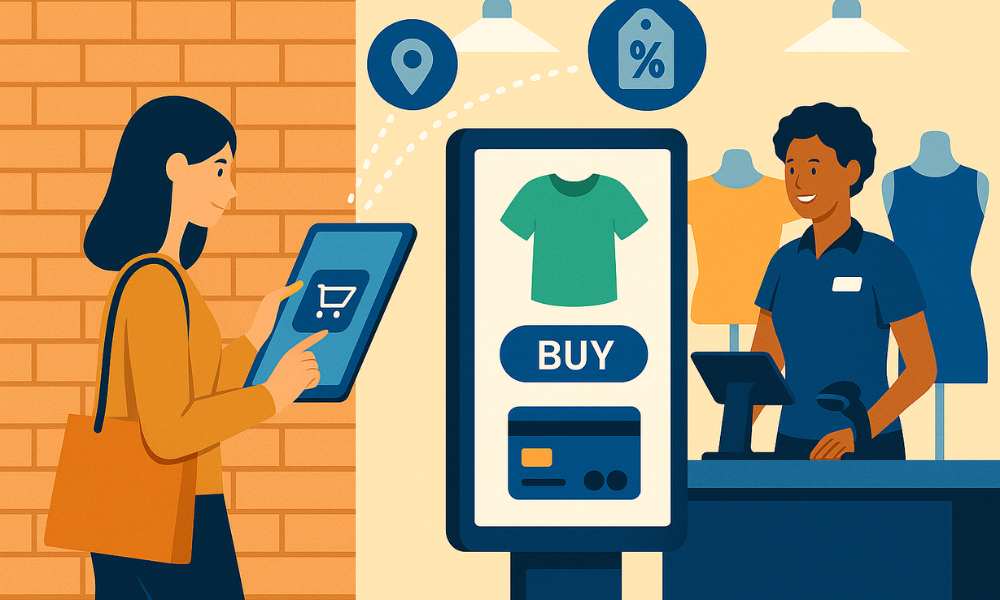

How can physical stores better integrate digital services on-site?
Physical stores can enhance the shopping experience and boost sales by integrating digital services directly into their environments. This integration allows retailers to combine the best elements of online shopping—such as convenience and personalization—with the tangible and immediate nature of in-store purchasing. By adopting various digital strategies, stores can offer richer customer interactions and streamline operations. Read on to discover the key tactics that can transform the retail experience.
Understanding the Need for Integration
It’s important for physical stores to invest in digital integration because modern consumers demand a seamless and blended shopping journey. Today’s shoppers have high expectations; they want quick access to information and a personalized touch, whether online or in-store. For instance, a customer might use a store’s app to locate an item and then appreciate a knowledgeable staff member who can provide further insights. When digital tools enhance the shopping process, retailers can see increased customer engagement, smoother operations, and valuable data collection for targeted marketing efforts.
- Enhance customer engagement with interactive tools
- Streamline shopping processes by reducing friction
- Gather valuable data for personalized marketing strategies
Successfully integrating these services can significantly improve customer satisfaction and loyalty, creating a mutually beneficial relationship between shoppers and retailers.
Strategies for Integration
1. Implementing In-Store Mobile Apps
Developing a dedicated in-store mobile app is one of the most straightforward methods of digital integration. These apps can offer a multitude of benefits, providing customers with real-time store maps to navigate aisles swiftly, digital coupons for savings, and comprehensive product information including reviews and ratings. Imagine a shopper instantly accessing a map for the quickest route to their desired product while receiving a timely discount notification. Encouraging app usage not only enhances the customer experience but also opens a direct communication channel for personalized offers and updates.
- Store maps for efficient product location
- Digital coupons and special promotions
- Access to product details and customer reviews
2. Utilizing QR Codes
QR codes serve as a versatile bridge between the physical and digital realms. Placed strategically throughout a store, QR codes can be scanned to provide instant access to a wealth of product information, including customer reviews and instructional videos. A shopper might scan a QR code on a kitchen appliance to watch a demonstration video, enhancing their decision-making process. This engagement encourages customers to interact digitally with the brand, fostering a deeper connection.
- Immediate access to online product reviews
- Exclusive online discounts and offers
- Links to detailed product videos or tutorials
3. Offering Click-and-Collect Services
Click-and-collect services have become a staple in modern retail, blending the convenience of online shopping with the immediacy of in-store pickup. This approach minimizes wait times and can even spur additional purchases as customers browse while picking up their orders. Consider a busy parent who orders groceries online and picks them up after work—saving time and potentially grabbing a few extra items on the way out. This service not only caters to time-conscious consumers but also enhances inventory management for retailers.
- Reduction in customer wait times
- Opportunities for additional in-store purchases
- Improved inventory management practices
4. Enhancing the Checkout Experience
A lengthy checkout process can be a major deterrent for customers. By integrating mobile payment options, self-checkout kiosks, and contactless payment methods, stores can speed up the checkout process significantly. Imagine the ease of using a smartphone to pay for goods without waiting in line, enhancing the overall shopping experience. These technologies not only reduce wait times but also add a layer of convenience that can turn a mundane task into a seamless experience.
- Mobile payment options for quick transactions
- Self-checkout kiosks to reduce queues
- Contactless payment methods for safety and speed
5. Leveraging Social Media
Social media isn’t just for online engagement; it can be a powerful tool for in-store interactions. Retailers can encourage shoppers to share their experiences online, perhaps through a hashtag or photo contest, creating buzz and community around the brand. For example, a store might run a promotion offering discounts to customers who post their purchases with a specific hashtag. This not only boosts customer interaction but also extends the store’s reach and builds a community atmosphere.
- Incentivize sharing of shopping experiences on social platforms
- Run promotions requiring social media engagement for participation
Collecting and Analyzing Data
Integrating digital services goes beyond enhancing the shopping experience; it’s also about gathering and analyzing data. By observing how customers interact with digital tools, retailers can gain insights into shopping habits, preferences, and even customer satisfaction. For instance, data might reveal peak shopping times or popular products. Analyzing this information can refine marketing strategies, optimize inventory, and inform business improvements, providing a strategic advantage.
- Insights into consumer shopping habits and preferences
- Identification of popular products and services
- Feedback and satisfaction levels from customers
Creating a Cohesive Brand Experience
For digital integration to truly succeed, it must seamlessly align with the store’s overall brand experience. This involves creating an environment where digital and physical elements complement each other. The store’s ambiance should enhance the digital tools, staff should be well-versed in assisting with technology, and marketing messages should remain consistent across all platforms. Imagine walking into a store where every element, from lighting to digital screens, consistently reflects the brand’s identity. Such a unified approach reinforces brand loyalty and ensures a memorable customer experience.
- Ambiance that complements digital integration
- Staff trained to assist with digital services
- Consistent marketing messages across platforms
As the retail world rapidly evolves, integrating digital services into physical stores isn’t just beneficial—it’s a necessity. By implementing strategies like mobile apps, QR codes, click-and-collect, and enhanced checkout, retailers can create a more engaging and efficient shopping environment. The ultimate goal is to provide value to customers while optimizing operations. Whether you’re owning a store or enjoying a shopping spree, embracing digital integration can pave the way for a thriving retail future.
Are you ready to transform your shopping experience with these strategies? Dive into the digital world and explore the endless possibilities that await!