

Will the Marketing of Tomorrow Be Driven by Algorithms?
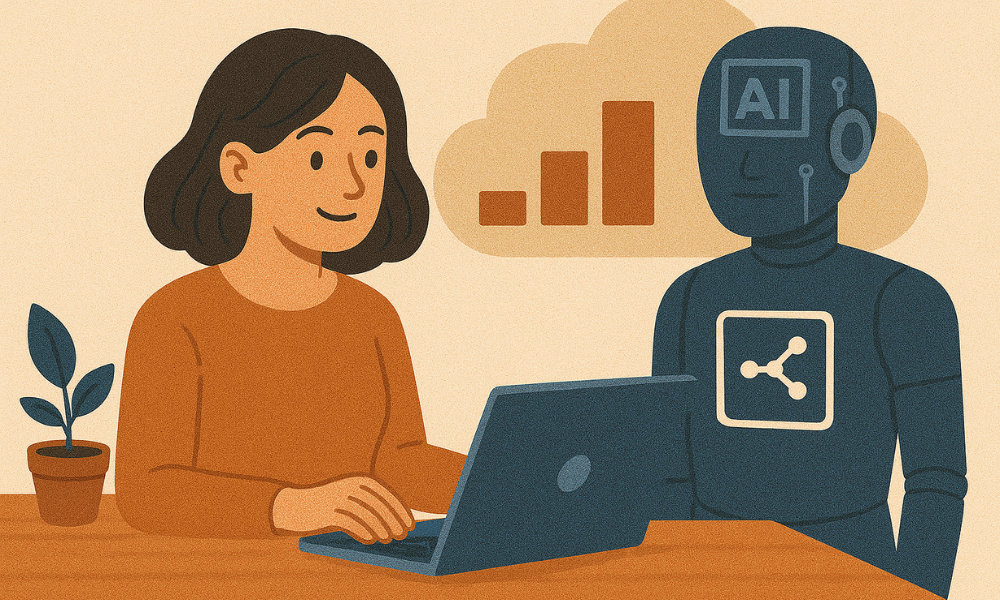
The marketing of tomorrow will undeniably be largely driven by algorithms. These advanced computational systems are already shaping the way brands connect with their audiences, making marketing strategies more efficient and personalized. As we delve deeper into this transformative trend, you’ll discover how algorithms are not just a trend but a pivotal element in the evolution of marketing.
The Shift to Data-Driven Marketing
In recent years, the marketing landscape has gravitated increasingly towards data-driven strategies, with algorithms at the heart of this shift. These sophisticated tools enable companies to sift through vast volumes of data to decode consumer behavior, preferences, and emerging trends. For instance, a retailer might utilize algorithmic insights to not only identify what products are in demand but also predict future buying patterns. This data-centric approach empowers businesses to craft marketing campaigns that are not only personalized but also strategically sound, leading to heightened engagement and conversion rates.
What Are Algorithms?
Before diving deeper, it’s crucial to understand the essence of algorithms. Simply put, an algorithm is a sequence of instructions or rules designed to accomplish a specific task. In marketing, these algorithms meticulously analyze data to generate predictions and facilitate decision-making, thereby elevating the effectiveness of marketing initiatives. Picture an algorithm as the brain behind a digital marketing campaign, ensuring that every decision is informed and strategic.
How Algorithms Are Changing Marketing
Algorithms are revolutionizing marketing in several significant ways:
- Personalization: By leveraging data from past consumer interactions, algorithms enable brands to customize their messaging to suit individual consumer preferences. For example, a streaming service might use data algorithms to suggest a playlist curated for a single user’s unique taste.
- Predictive Analytics: Delving into historical data, algorithms forecast future trends and behaviors. This foresight allows businesses to stay proactive and agile in an ever-changing market landscape.
- Targeted Advertising: Algorithms can pinpoint the most promising channels and optimal times to engage with specific demographics. This precision increases advertising efficiency, reducing wasted spend and maximizing impact.
- Real-time Adjustments: With insights derived from real-time data, marketing strategies can be dynamically adjusted, enabling brands to pivot quickly in response to evolving market conditions.
The Role of AI in Marketing
Artificial Intelligence (AI) enhances the power of algorithms by enabling them to learn and improve from data over time. This evolution brings about a transformative impact on marketing processes:
Enhanced Customer Interaction
AI-powered chatbots are reshaping customer service, providing instantaneous responses to consumer inquiries around the clock. This capability not only bolsters customer satisfaction but also optimizes resource allocation for businesses. Imagine a world where your queries are resolved before you even finish your morning coffee—AI makes this possible.
Content Creation
AI algorithms are proving to be invaluable allies in content creation. By analyzing which content types resonate most with audiences, AI tools guide marketers in crafting engaging and relevant materials. For instance, an AI-driven analysis might reveal that video content performs better than text posts, guiding a brand to invest in video production for social media engagement.
The Concerns of Algorithm-Driven Marketing
Despite the numerous benefits, algorithm-driven marketing is not without its challenges and concerns that warrant careful consideration:
- Privacy Issues: The reliance on data prompts ongoing debates surrounding consumer privacy. A critical question arises: How should companies ethically collect and utilize consumer data?
- Dependence on Technology: Excessive dependence on algorithms risks overshadowing the essential human element of marketing, which is crucial for nurturing authentic connections with consumers.
- Bias in Algorithms: If the data used to train algorithms is inherently biased, it can lead to skewed and potentially harmful outcomes, underscoring the importance of using diverse and representative datasets.
Real-World Examples of Algorithm-Driven Marketing
To truly grasp the impact of algorithms, let’s consider some real-world instances where they’ve made a notable difference:
Amazon
Amazon’s recommendation system is a classic example of algorithmic prowess. By analyzing past purchases and browsing behaviors, Amazon offers personalized product suggestions that enhance the shopping experience and contribute significantly to increased sales.
Netflix
Netflix leverages a sophisticated recommendation engine to analyze viewer habits and suggest tailored content. This personalized approach not only keeps users engaged but also plays a crucial role in subscriber retention and satisfaction.
Facebook Advertising
Facebook’s advertising algorithms target ads based on user interests and behavior, enabling advertisers to reach their ideal audiences with precision and efficiency. This targeted approach significantly boosts conversion rates and return on investment for advertisers.
Preparing for the Future: Embracing Algorithm-Driven Marketing
As we gaze into the future, it’s evident that algorithms will be pivotal in shaping marketing strategies. Businesses can take the following steps to embrace this technological evolution:
- Invest in Data Collection: Begin by gathering and analyzing data to gain deeper insights into your audience’s preferences and behaviors.
- Utilize AI Tools: Explore AI-driven solutions that can enhance various aspects of your marketing efforts, from customer service to content creation and beyond.
- Stay Informed: Keep abreast of the latest developments in algorithm technology and marketing strategies to remain competitive.
- Balance Technology with Humanity: Ensure that your marketing strategies incorporate a human touch, fostering genuine relationships with your consumers.
Will the marketing of tomorrow be driven by algorithms? Absolutely. As technology continues to advance, algorithms will play an increasingly critical role in shaping how brands interact with consumers. While challenges are inevitable, the potential for creating more personalized and effective marketing strategies is immense. Businesses that embrace algorithm-driven marketing today will be well-positioned for success in the future. So, whether you’re a small business owner or a marketing professional, now is the time to explore the transformative potential of data-driven marketing. Don’t get left behind—dive into this new world and watch your marketing strategy evolve!