
How can retailers optimize last-mile delivery without increasing costs?
Retailers can significantly enhance last-mile delivery efficiency by embracing technology and strategic local partnerships, all while keeping expenses in check. By employing route optimization software, collaborating with local couriers, and offering flexible delivery options, businesses can meet customer demands without financial strain. Dive into these detailed strategies to learn how to refine your delivery processes and boost customer satisfaction.
Understanding Last-Mile Delivery
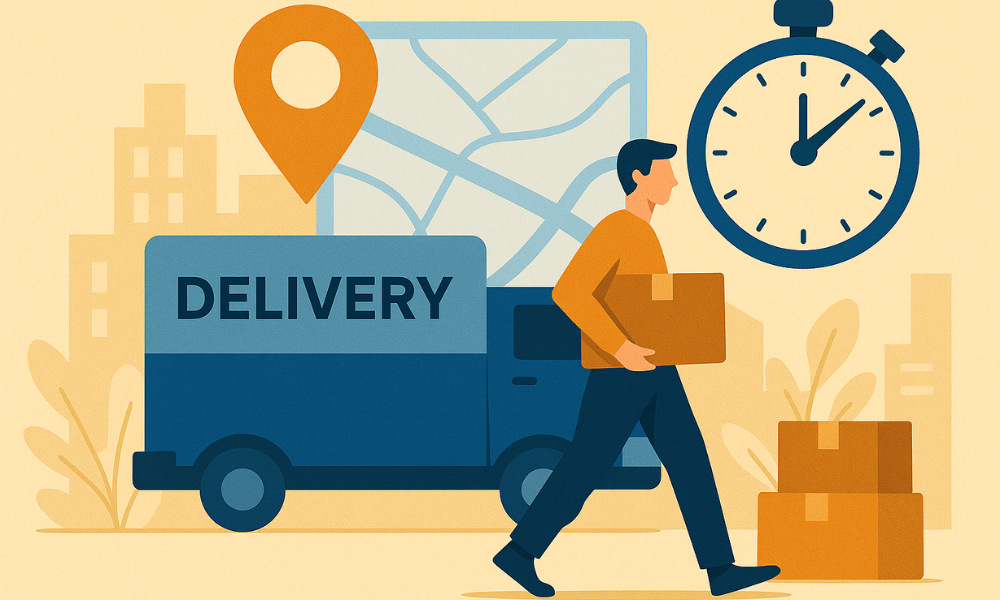
Last-mile delivery is the final, yet critical step in the journey of a product from a warehouse to the customer’s hands. This segment is notorious for being costly, accounting for nearly 53% of total shipping costs. Imagine a package traveling thousands of miles seamlessly, only for the last few miles to become the most expensive and challenging part. The pressure to get it right is immense, as this is the stage where customer expectations peak.
Why Last-Mile Delivery Matters
Last-mile delivery holds a pivotal role in retail logistics for several compelling reasons:
- Customer Satisfaction: An efficient delivery can elevate the entire shopping experience, transforming a one-time buyer into a loyal customer. Have you ever waited impatiently, tracking a package, wondering when it will finally arrive?
- Competitive Advantage: In the crowded retail arena, excelling in delivery can make a retailer the go-to choice for consumers. Consider how giants like Amazon have set benchmarks with their Prime delivery promises.
- Cost Management: With last-mile being the costliest segment, effective management here can dramatically affect a retailer’s bottom line, freeing up resources for other critical areas.
Strategies for Optimizing Last-Mile Delivery
1. Utilize Technology Solutions
Technology is an invaluable ally when it comes to optimizing delivery. Here are some cutting-edge solutions:
- Route Optimization Software: Programs like Route4Me or OptimoRoute help map the most efficient paths for deliveries, cutting down on fuel and time. Imagine planning a road trip and having a GPS that not only guides you but also anticipates traffic jams.
- Delivery Tracking Systems: Offering real-time updates not only keeps customers informed but also reduces the number of calls and inquiries about delivery status. It’s like turning on live traffic updates during a commute.
- Automated Warehousing: By automating processes in warehouses, retailers can speed up order processing and cut down labor costs significantly, akin to having a well-oiled machine that ramps up production efficiency.
2. Collaborate with Local Couriers
Local courier partnerships can revolutionize delivery efficiency. These services often have an intricate understanding of their areas, offering a unique advantage:
- Reduced Delivery Times: Imagine your package being delivered within hours, not days, thanks to couriers who know the shortcuts and peak traffic times.
- Cost-Effectiveness: For short distances, local services can often undercut national carriers, much like choosing a local bakery over a chain for birthday cakes.
3. Implement Click-and-Collect Options
Click-and-collect provides a smart alternative for reducing last-mile costs. Customers buy online and pick up in-store, easing the delivery burden:
- Increased Foot Traffic: When customers visit to collect orders, they often browse and purchase additional items, a win-win for retailers. It’s akin to visiting a café for a coffee and leaving with a pastry.
- Lower Shipping Costs: By minimizing the need for individual deliveries, retailers save significantly on logistics, much like carpooling to save on fuel.
4. Optimize Inventory Management
Streamlining inventory is key to a smooth delivery process. Here’s how to manage it effectively:
- Warehouse Location: Position warehouses closer to major customer clusters to cut down shipping distances, similar to having a local grocery store rather than one miles away.
- Real-Time Inventory Tracking: Implementing software solutions to track stock levels helps ensure you’re only shipping available products, preventing disappointments akin to finding an empty fridge when you’re hungry.
5. Offer Flexible Delivery Options
Flexibility in delivery can be a game-changer. Cater to customer preferences and control costs with these options:
- Scheduled Deliveries: Let customers select convenient delivery times, enhancing their experience. It’s like scheduling a dentist appointment to fit your day rather than the other way around.
- Same-Day Delivery: Offering this service locally at a fair price can delight customers and set you apart. Think of it as getting a pizza delivered just when the craving hits.
6. Leverage Customer Feedback
Customer insights can provide a treasure trove of information for improving delivery services. Here’s how to harness this feedback:
- Identify Pain Points: Surveys and reviews can reveal where the delivery process falters, much like customer ratings affecting a restaurant’s reputation.
- Implement Changes: Acting on feedback not only improves the service but also demonstrates to customers that their voices matter, fostering loyalty and trust.
Improving last-mile delivery without inflating costs is within reach. By leveraging technology, partnering with local couriers, adopting click-and-collect, optimizing inventory, offering flexible delivery, and listening to customer feedback, retailers can enhance efficiency. Remember, satisfied customers are more likely to return, so refining your delivery logistics is an investment in your business’s future success.
Which of these strategies will you apply to master last-mile delivery? Start implementing today, monitor your progress, and watch how it transforms your customer relations and business growth!