

What’s driving the rapid growth of resale and recommerce markets?
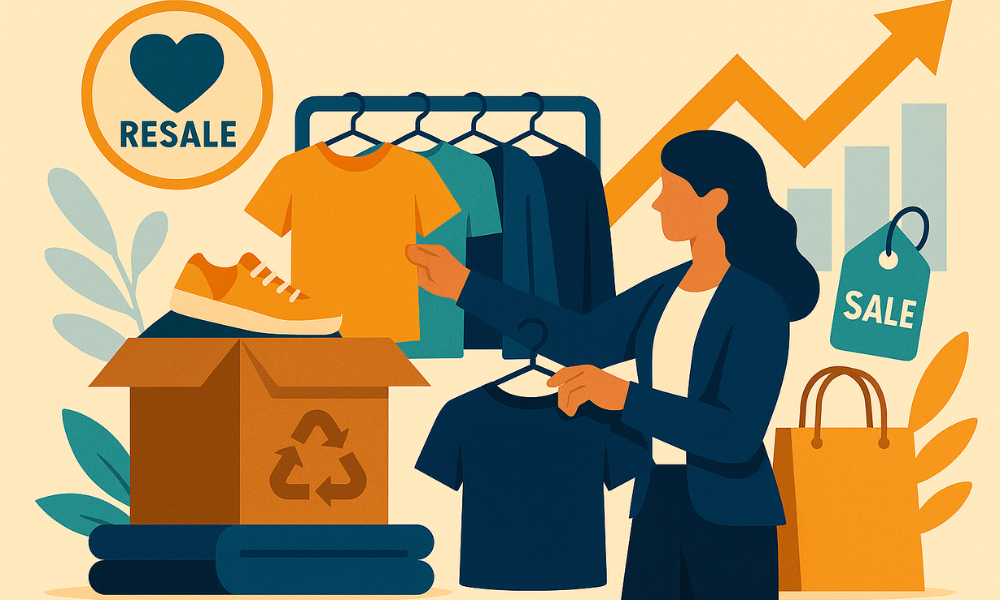
The rapid expansion of resale and recommerce markets is primarily fueled by the rising awareness of sustainability, advancements in technology, and changing consumer preferences. These factors have transformed second-hand shopping from a humble pastime to a mainstream retail experience. Dive deeper into this article to uncover the details behind this market evolution and learn how it might influence your shopping habits.
The Rise of Conscious Consumerism
Conscious consumerism plays a pivotal role in the burgeoning resale markets. Today, shoppers are increasingly mindful of the environmental ramifications of their buying choices. For instance, the fashion industry is notorious for its substantial carbon emissions and water consumption. Seeking to mitigate their impact, many consumers now opt for second-hand goods, which offer a more sustainable option. This trend is evident in the growing popularity of platforms like Depop and Vinted, which cater to eco-conscious buyers and sellers.
Eco-Friendly Choices
Purchasing pre-owned items significantly reduces waste and the carbon footprint linked to the production of new goods. This shift is not just about individual responsibility but is also being driven by brands embracing sustainability. The rise of initiatives like Patagonia’s « Worn Wear » program highlights how companies are facilitating this change by encouraging customers to buy used. As more people prioritize the planet over newness, second-hand platforms have become pivotal in driving eco-friendly shopping habits.
Technology and Accessibility
Technology has been a game-changer in the resale market’s expansion. With the advent of user-friendly apps and websites, it’s never been easier to engage in buying and selling pre-loved goods. Platforms such as Poshmark, ThredUp, and eBay have not only simplified the process but have also brought a sense of community to online resale shopping. Imagine a world where you can seamlessly sell your old smartphone or snag a designer jacket with just a few taps on your device—it’s already here, and it’s transforming how we shop.
Social Media Influence
Social media’s impact on resale markets cannot be overstated. Influencers and celebrities frequently showcase their thrift-store hauls or highlight sustainable brands, capturing the imagination of millions. This visibility doesn’t just drive sales; it forges communities among those who share a passion for sustainability. Just look at Instagram’s #ThriftStoreFinds hashtag, where users celebrate their unique purchases and swap style tips. It’s a vibrant digital space encouraging second-hand shopping as a fashionable and responsible choice.
The Appeal of Unique Finds
The allure of discovering unique items also contributes to the widespread appeal of resale markets. In a sea of uniformity on retail shelves, second-hand shopping offers the thrill of uncovering rare or vintage treasures. Consider the charm of finding a 1970s leather jacket or a long-discontinued piece of pottery; it adds a personal touch to one’s collection that can’t be matched by mass-produced items. This hunt for one-of-a-kind pieces is not just a shopping experience; it’s an adventure.
Personal Style and Expression
Thrift shopping is not merely about financial savings; it’s a powerful means of personal expression. By thrifting, individuals can curate wardrobes that reflect their unique tastes, rather than being confined by prevailing trends. This quest for individuality has supercharged the resale market, drawing in those who cherish distinct pieces that narrate their story. Why settle for ordinary when you can have extraordinary?
Affordability and Value
In an era marked by economic challenges, the affordability factor of resale markets cannot be ignored. Second-hand shopping offers a pragmatic solution for those eager to stretch their dollars further. Not only can you find top-quality products at a fraction of their original price, but resale markets also open doors to luxury brands that might otherwise be out of reach. It’s about finding quality without breaking the bank, a principle that resonates with consumers worldwide.
Quality for Less
Many second-hand items boast longevity and durability, often surpassing their fast-fashion equivalents. Shoppers can discover designer labels and high-end goods at reduced prices, making resale markets an appealing option for value seekers. This approach to shopping ensures that consumers don’t have to compromise on quality or style, even on a tight budget.
The Future of Resale Markets
Resale and recommerce markets are far from fleeting trends; they signify a fundamental change in consumption patterns. As sustainability becomes a priority, technology continues to evolve, and the desire for unique items intensifies, this market is poised for further growth. Retail giants are taking notice, with many unveiling their own buy-back schemes and second-hand sections. This integration into mainstream retail underscores the staying power of resale markets.
Innovations on the Horizon
We can anticipate exciting innovations in the resale space, such as augmented reality applications that allow consumers to visualize how second-hand items will fit into their lives. Additionally, blockchain technology is increasingly being used to verify the authenticity of luxury items, offering buyers peace of mind regarding their purchases. The future of resale is bright and full of promise, paving the way for smarter and more sustainable shopping choices.
In summary, the rapid growth of resale and recommerce markets is fueled by a confluence of conscious consumerism, technological innovation, the quest for uniqueness, and affordability. As we continue to navigate the complexities of modern consumer culture, it’s clear that the future of shopping is shifting towards sustainability and individuality. So, if you haven’t already, why not dive into the world of second-hand shopping? You might just find something special while making a positive impact on the planet!