
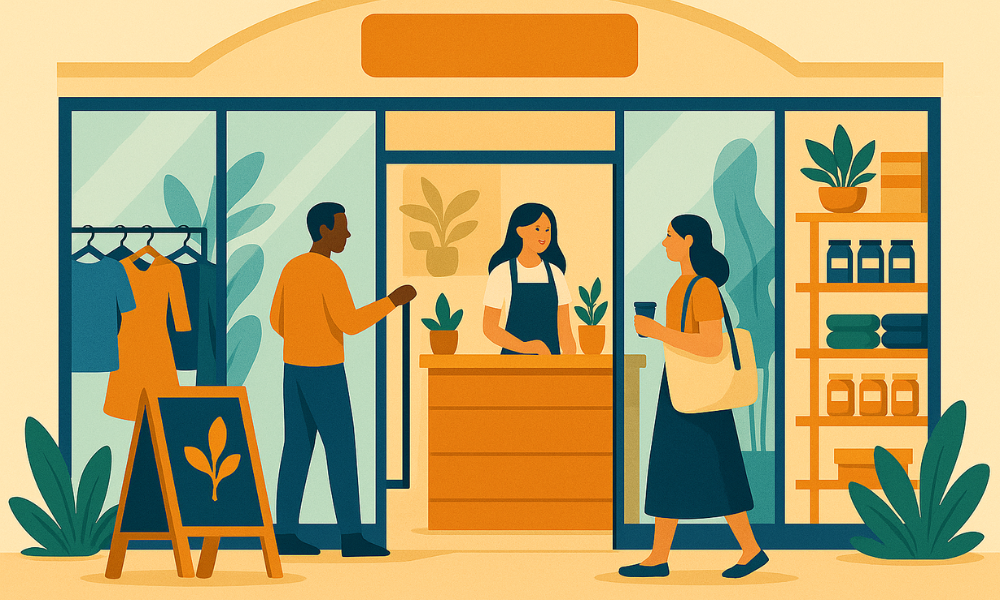

What will define the “store of the future” beyond technology trends?
The store of the future will be defined by its ability to seamlessly blend advanced technology with a deep understanding of human needs and values. While gadgets and software play a crucial role, the true essence lies in creating meaningful and memorable experiences for customers. By delving into aspects such as human interaction, sustainability, and inclusivity, retailers can build environments that resonate with shoppers. Dive into the following sections to uncover how each element contributes to shaping the retail landscape of tomorrow.
1. The Human Touch in Retail
In our tech-centric world, the significance of genuine human connection in retail cannot be underestimated. Customers yearn for authentic interactions, where they feel understood and valued. Picture a store where staff members remember your name and your last purchase, enhancing your shopping journey. Personalized service can transform a mundane shopping trip into a delightful experience.
- Personalized Experiences: Imagine employees using insights about your preferences to tailor recommendations, turning shopping into a personalized adventure.
- Community Engagement: Stores that host local events or support neighborhood initiatives often become beloved community staples, strengthening ties and fostering loyalty.
- Customer Feedback: When customers see that their feedback leads to real changes, it cultivates a sense of belonging and makes them feel like a valued part of the brand’s story.
2. Sustainability as a Core Value
Embracing sustainability is no longer optional—it’s imperative. Shoppers today are increasingly aware of environmental issues and prefer brands that mirror their values. Imagine walking into a store that not only offers eco-friendly products but also operates sustainably, resonating with your commitment to the planet.
- Eco-Friendly Products: Reusable bags, biodegradable packaging, and sustainable product lines are just some ways retailers can appeal to eco-conscious consumers.
- Energy Efficiency: Picture a store that uses solar panels and LED lighting, drastically reducing its carbon footprint while cutting down on costs.
- Recycling Programs: A retailer that incentivizes recycling or upcycling can turn customers into brand advocates, simply by aligning with their values.
3. The Experience Economy
In today’s world, experiences often trump possessions. People crave stories and memories more than traditional goods. Picture a store that hosts engaging events or has interactive displays that pull you in and spark your curiosity. Experiences like these create emotional connections.
- In-Store Events: Think of wine tastings, art classes, or tech workshops that not only draw crowds but also leave lasting impressions.
- Interactive Displays: Displays that invite you to touch, try, and explore can turn shopping from a routine task into an enjoyable outing.
- Immersive Environments: Stepping into a themed section that transports you to another world can enhance your shopping narrative and make the visit memorable.
4. Seamless Omnichannel Integration
Today’s consumers juggle multiple platforms effortlessly, expecting a unified experience throughout. A successful blend of online and offline interactions can make a brand stand out. Imagine being able to start a purchase online and finish it in-store, seamlessly.
- Click and Collect: This service offers the flexibility of online shopping with the immediacy of in-store pickup, blending convenience with speed.
- Unified Customer Profiles: By consolidating customer data, brands can offer personalized recommendations and promotions that feel tailor-made.
- Consistent Branding: Cohesive branding across channels assures customers of the brand’s reliability, reinforcing trust at every interaction.
5. Embracing Diversity and Inclusion
Retail spaces must reflect the diversity of the communities they serve. Inclusivity is not just a buzzword; it’s a business imperative that drives loyalty. Think of a store that not only looks diverse but feels inclusive, welcoming everyone with open arms.
- Diverse Hiring Practices: A workforce mirroring the community can create a relatable and welcoming atmosphere for all shoppers.
- Inclusive Marketing: Campaigns that showcase a variety of faces and stories resonate with broad audiences, making everyone feel seen.
- Accessible Spaces: It’s essential for stores to be navigable for everyone, ensuring a comfortable experience regardless of physical ability.
6. Health and Safety Considerations
Recent global challenges have heightened awareness around health and safety in retail environments. Stores must prioritize these to maintain consumer trust. Walking into a store that visibly prioritizes cleanliness and safety can significantly enhance your peace of mind.
- Cleanliness Standards: Regular sanitation and visible cleaning protocols reassure customers about their wellbeing.
- Contactless Solutions: Options like contactless payments and curbside pickups can make transactions not only faster but also safer.
- Spacious Layouts: A roomy, well-organized store layout can alleviate concerns about overcrowding, making shopping more comfortable.
As we navigate the future of retail, it’s evident that the winning formula extends beyond simply adopting cutting-edge technology. The store of the future will excel by fostering human connections, prioritizing sustainability, embracing diverse experiences, and ensuring safety. These elements combined will not only address the evolving needs of consumers but also build lasting loyalty and community. So next time you’re in a store, look beyond the tech and appreciate the deeper values at play. Let’s step into the future of retail together!