

Are Physical Stores Becoming Experience Centers Rather Than Sales Points?
Physical stores are increasingly transforming into vibrant experience centers rather than just traditional sales points. This evolution allows them to remain relevant in a digital age dominated by online shopping. As these stores pivot towards offering unique experiences, they’re finding new ways to engage customers beyond simple transactions. Read on to discover the intricate ways in which physical retail spaces are redefining their purpose.
The Shift in Consumer Behavior
In recent years, consumer behavior has evolved dramatically, driven by the quest for experiences over mere purchases. This shift is fueled by several key factors influencing how people shop today. Take, for instance, the convenience of online shopping, which allows individuals to effortlessly browse and purchase items without leaving their homes. Moreover, the allure of instant gratification can’t be overlooked; with same-day delivery becoming the norm, consumers now expect swift access to their purchases. Additionally, the personalization offered by online retailers, who leverage data to tailor shopping experiences, makes it easier for buyers to find precisely what they seek. This means that physical stores must innovate to stay relevant, transforming into destinations where customers seek more than just products.
What Does It Mean to Be an Experience Center?
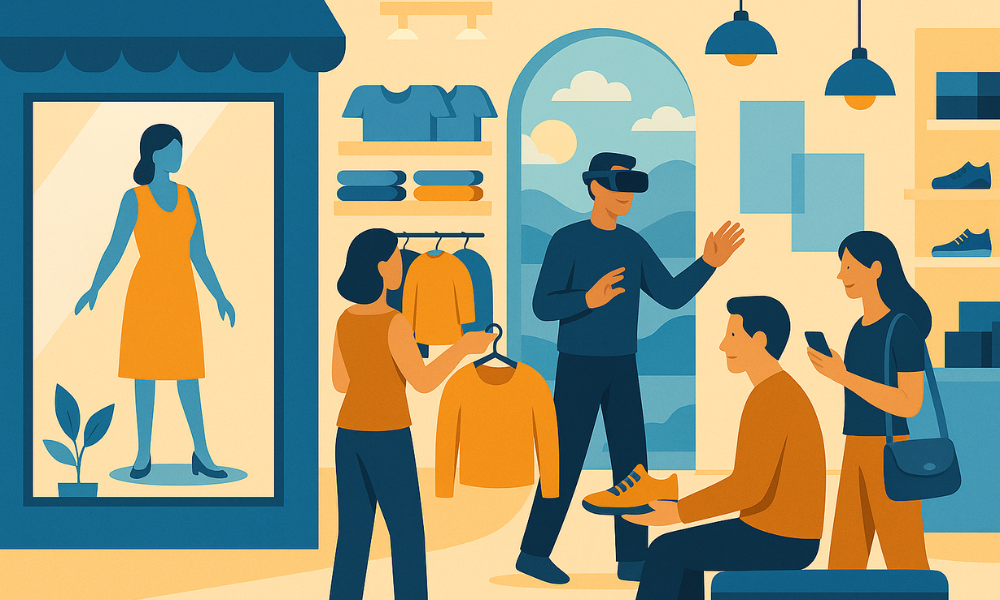
An experience center is a dynamic space where customers can engage deeply with a brand. This engagement is often facilitated through interactive displays, which allow shoppers to engage with products in fresh and exciting ways. For example, a tech store might employ augmented reality to let customers visualize how a gadget will fit into their daily lives. Additionally, by hosting workshops and events, stores foster a sense of community, encouraging visitors to linger and explore. The ambiance plays a pivotal role as well; by investing in design and aesthetics, retailers create inviting atmospheres that stimulate curiosity and encourage exploration. These strategies help physical stores stand out as places where the shopping experience is as valuable as the products themselves.
Examples of Successful Experience Centers
Several brands have successfully transformed their physical spaces into thriving experience centers, setting benchmarks for others to follow.
Apple Stores
Apple has mastered the art of creating experience-driven retail spaces. Their stores, with open layouts and a team of knowledgeable staff, offer a hands-on approach to technology. Visitors can partake in workshops, explore new tech, and even enjoy free classes. This model not only boosts sales but also cultivates a loyal customer base. It’s not just about selling devices; it’s about immersing customers in the brand’s ecosystem, turning each visit into an educational and enjoyable outing.
LEGO Stores
LEGO stores are renowned for their interactive play areas, which captivate both children and adults. These spaces often host events like building competitions that spark creativity and encourage longer visits. It’s a place where the joy of building transcends age and brings the community together. These experiences turn consumers into creators, forging emotional connections that extend beyond the checkout line.
Starbucks
Starbucks has elevated the concept of experience centers with its Reserve Roasteries, where the coffee-making process is an immersive journey. Customers can engage with the artistry of coffee, enjoying guided tastings and learning about the nuances of their favorite brews. This focus on experience enriches the brand, making each visit an event for coffee aficionados. It’s an invitation to pause, savor, and share in the culture of coffee.
The Benefits of Being an Experience Center
Transforming a store into an experience center comes with numerous benefits. Firstly, unique experiences draw more customers, naturally increasing foot traffic. This influx of visitors also enhances customer loyalty. When people have memorable experiences, they are more inclined to return and recommend the brand to others. Furthermore, customers who feel a strong connection to a brand are more likely to make purchases, driving higher sales potential. In essence, these centers turn shopping into a memorable adventure, reinforcing brand allegiance.
Challenges in the Transition
However, the transition to an experience center is not without its hurdles. Renovating stores and integrating new technologies can be costly, requiring significant upfront investment. Additionally, staff must be trained to deliver exceptional customer experiences, which involves time and resources. Moreover, maintaining a consistent brand experience across multiple locations can be demanding, requiring meticulous attention to detail and coordination. These challenges must be navigated carefully to ensure a successful transformation.
How to Create an Experience Center
If you’re a business owner aiming to transform your store into an experience center, consider these steps to guide your journey:
- Understand Your Customers: Gather feedback and insights to tailor experiences that resonate with your audience. This understanding will inform every aspect of your physical space.
- Invest in Design: Craft a welcoming and engaging environment that encourages exploration. The design should reflect your brand’s ethos and invite customers to linger.
- Offer Interactive Experiences: Incorporate technology and hands-on activities to engage customers. These experiences should be immersive, sparking curiosity and delight.
- Host Events: Plan regular events that draw in crowds and create buzz around your brand. These events can become community fixtures, fostering loyalty and engagement.
As we delve deeper into the digital era, physical stores are evolving beyond simple points of sale. They’re embracing the role of experience centers, engaging customers on a profound level. By focusing on crafting unique and memorable experiences, brands can not only survive in the competitive retail landscape but thrive. So, next time you walk into a store, take a moment to appreciate the orchestrated experience it offers. Whether you’re seeking a product or soaking in the atmosphere, remember that these spaces are evolving, and this transformation is one to be embraced and enjoyed!