
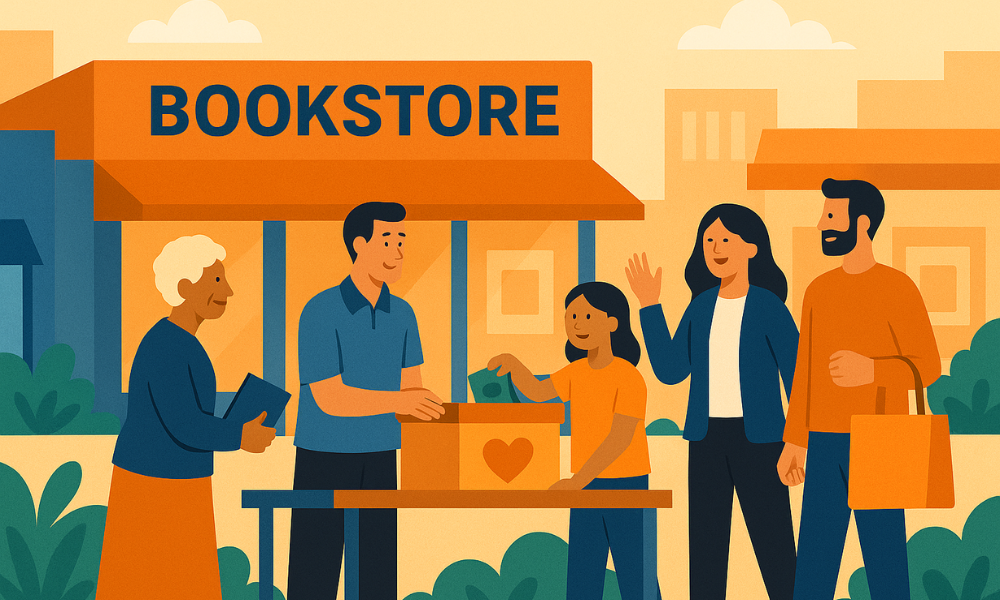

How can retailers strengthen relationships with local communities?
Retailers can foster meaningful connections with local communities by actively engaging in supportive activities, hosting events, and leveraging technology to stay connected. This approach not only enhances their brand reputation but also creates a loyal customer base that values community involvement. Read on to explore practical strategies and insights into building these valuable relationships.
Understanding the Importance of Community Connections
Establishing a robust connection with the local community is like planting seeds for future growth—yielding increased brand loyalty and positive word-of-mouth, which can translate into higher sales. When retailers engage authentically with their communities, they demonstrate a commitment that goes beyond profit margins. This personal touch distinguishes a business in a competitive market. For instance, a local bookstore that hosts reading sessions for kids not only promotes literacy but also nurtures a loyal customer base that appreciates such initiatives.
Why Community Matters
Establishing a connection with the local community offers several benefits:
- Increased Customer Loyalty: Customers are more inclined to support businesses that invest in their community. For example, a coffee shop that sources beans from local farmers can create a sense of shared success.
- Positive Brand Image: Engaging in community activities enhances the business’s reputation. Consider a company sponsoring a neighborhood clean-up event; it not only beautifies the area but also showcases the brand’s commitment to social responsibility.
- Networking Opportunities: Strong community ties can lead to collaborations and partnerships. Imagine a bakery collaborating with a nearby dairy farm to create locally-inspired products, benefiting both businesses.
Strategies for Strengthening Community Relationships
Now that we understand why community connections are important, let’s explore some effective strategies retailers can implement to strengthen these relationships.
1. Support Local Causes
One of the most impactful ways retailers can connect with their communities is by supporting local causes. This could mean sponsoring local sports teams, donating to food banks, or participating in charity events. By aligning your business with causes that matter to your community, you demonstrate that you are invested in their well-being. Picture a tech store that donates old laptops to local schools—this not only helps students but also builds a favorable image of the store within the community.
2. Host Community Events
Organizing events such as workshops, festivals, or open houses can bring people together and create a sense of community. These gatherings not only draw in potential customers but also allow you to showcase your products or services in a fun and engaging way. A hardware store hosting a DIY workshop can empower locals with new skills while introducing them to the store’s range of tools.
3. Collaborate with Local Businesses
Partnerships with other local businesses can be mutually beneficial. Consider cross-promotions or joint events that highlight both businesses. This not only strengthens your ties to the community but also introduces your brand to new customers who may not have been aware of you. Imagine a local gym and a health food shop teaming up to host a wellness fair—participants can enjoy fitness classes and nutritious snacks all in one place.
4. Encourage Local Feedback
Engaging with your customers does not stop at selling. Encourage feedback through surveys, suggestion boxes, or social media interactions. Listening to the needs and desires of your community can provide valuable insights into how you can better serve them. A clothing store, for instance, might discover through feedback that there’s a demand for more plus-size options, and can adjust its inventory accordingly.
5. Share Local Stories
Use your platform to tell the stories of local heroes, businesses, or events. This could be through social media posts, newsletters, or in-store displays. Highlighting local narratives fosters a deeper connection with your audience and positions your business as a community advocate. A café that showcases the stories of regular patrons who have fascinating backgrounds can create a warm and inviting atmosphere.
Leveraging Technology to Enhance Community Engagement
In an increasingly digital world, retailers can leverage technology to strengthen their community ties.
1. Use Social Media Effectively
Social media platforms are a powerful tool for building community relationships. Regularly post updates about local events, promotions, or initiatives your business is involved in. Engage with your followers by responding to comments and messages promptly. This shows that you value their input. A local bakery posting daily specials on Instagram can intrigue followers while fostering a sense of community through direct and interactive communication.
2. Create a Community Hub on Your Website
Consider adding a section to your website dedicated to community initiatives, local events, and news. This not only keeps your customers informed but also positions your business as a go-to source for local information. A bookstore might have a blog featuring author signings, literary discussions, and book recommendations, keeping the community engaged and informed.
3. Email Newsletters
Email newsletters can be a great way to keep your community updated on your business activities, local events, and promotions. By providing valuable content, you can foster a sense of connection and loyalty among your subscribers. A gardening center sending seasonal tips and exclusive discounts can enhance customer loyalty by providing value beyond the products they sell.
Measuring the Impact of Community Engagement
It’s essential to measure the effectiveness of your community engagement efforts. Here are some ways to gauge your impact:
- Customer Feedback: Gather insights through surveys and social media interactions. A restaurant might adjust its menu based on patrons’ comments, enhancing customer satisfaction.
- Sales Data: Track changes in sales following community events or initiatives. Observing a spike in sales after a successful festival sponsorship can indicate a positive impact.
- Social Media Engagement: Monitor likes, shares, and comments to assess community interest. A local artist’s pop-up gallery might see increased social media chatter, reflecting heightened community engagement.
Strengthening relationships with local communities is not just a marketing strategy; it’s a commitment to creating a positive impact. By supporting local causes, hosting events, collaborating with other businesses, and leveraging technology, retailers can build lasting connections that benefit everyone involved. So, why not take the first step today? Reach out to your community and start fostering those valuable relationships!