

Is Sustainability Becoming a Decisive Factor for Consumer Purchases?
Sustainability is increasingly becoming a critical criterion for consumers when making purchasing decisions. This shift is driven by a growing awareness of environmental issues and a demand for transparency from brands. As consumers align their buying habits with their values, the details and nuances of this trend reveal its profound impact on the market.
The Rise of Eco-Conscious Consumers
In recent years, there’s been a marked rise in eco-conscious consumers—those who prioritize environmental stewardship in their purchasing choices. This trend isn’t just a fleeting fad; it’s a significant societal shift. Many factors contribute to this change, from increased access to information to a cultural shift towards valuing sustainability. For instance, consider the influx of documentaries focusing on the effects of climate change, often sparking viewer interest and prompting action. This change is further fueled by personal stories shared on social media platforms, highlighting real-world impacts and encouraging others to join the movement.
Awareness Through Education
Education serves as a powerful catalyst in transforming consumer behavior. With the proliferation of educational content through documentaries, social media, and courses, people are more informed about the repercussions of their choices. Imagine a classroom where students watch a documentary on plastic pollution; it’s not just an eye-opener but a call to action. This heightened awareness translates into more conscientious decisions at the checkout line, where choosing a product often involves considering its environmental footprint.
Social Media Influence
The influence of social media cannot be overstated when discussing sustainability’s rise. Influencers on platforms like Instagram and TikTok wield significant power, shaping trends and guiding purchasing decisions. When a well-loved influencer endorses an eco-friendly product, it often leads to a surge in interest and sales. This isn’t just due to their persuasive power but also because they personify the values many followers aspire to embody. The ripple effect is palpable, creating a community of consumers dedicated to making a positive impact.
The Impact of Millennial and Gen Z Consumers
Millennials and Gen Z are at the forefront of demanding change. These generations are not content with merely purchasing products; they want to ensure their choices reflect their values. Their influence is so strong that businesses are adapting their models to meet these expectations, realizing that sustainability is no longer optional but essential. For instance, a study might reveal that these younger demographics are willing to pay a premium for products that promise ethical production processes, highlighting a shift in priorities.
Values-Driven Purchases
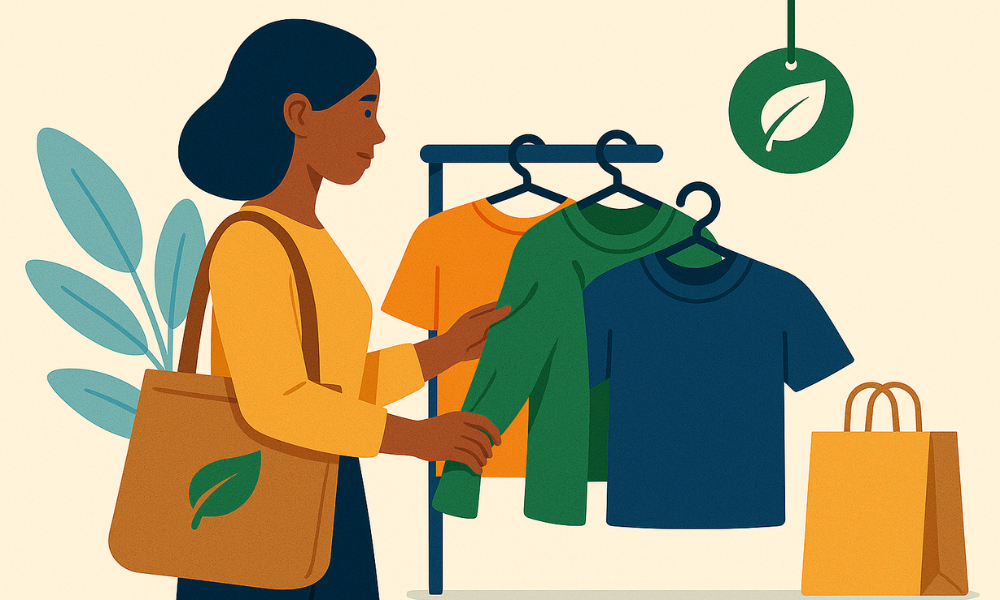
For many young consumers, buying is no longer just a transactional act; it’s a values-driven decision. They seek brands that mirror their commitment to environmental and social causes. This shift is evidenced by polls and surveys where a significant percentage of Millennials and Gen Z express willingness to pay more for sustainable products. Imagine a young shopper choosing between two similar products; the one with a green label often wins, even at a higher price point.
Brand Loyalty and Sustainability
Brands that embrace sustainability are building stronger connections with their audiences. Transparency and genuine commitment to environmental issues foster trust and loyalty. A brand that consistently showcases efforts to reduce its carbon footprint often sees a burgeoning base of loyal customers. This isn’t just about market strategy; it’s about connecting with consumers on a deeper level, creating a narrative that resonates and builds community.
What Are Consumers Looking For?
As consumers become more eco-conscious, their expectations evolve. They’re not just looking for products; they’re seeking transparency, innovation, and affordability. They want to know a product’s journey from raw material to shelf. This demand has led to brands reevaluating their supply chains and reconsidering their offerings, often leading to innovative solutions that also benefit the bottom line.
Transparency in Practices
Consumers are increasingly demanding transparency from brands. They want to know precisely where their products come from and how they are manufactured. This interest goes beyond mere curiosity—it’s about ensuring ethical standards are met. Brands that provide detailed ingredient lists, sourcing information, and ethical labor practices often find themselves at an advantage. This level of transparency helps build trust, making consumers feel more confident in their purchasing choices.
- Detailed ingredient lists
- Information on sourcing materials
- Ethical labor practices
Innovative and Eco-Friendly Products
Innovation and sustainability go hand in hand. Consumers are on the lookout for products that meet their needs without compromising the environment. This could mean developing packaging that’s biodegradable or appliances that consume less energy. Companies that lead in innovation often capture the market’s attention and set industry standards. It’s about finding creative solutions that align with a sustainable future.
- Biodegradable packaging
- Recyclable materials
- Energy-efficient appliances
Affordability and Accessibility
While eco-friendly products are in demand, their price can be a barrier. Consumers are looking for products that are not only sustainable but also affordable. Brands that manage to offer eco-friendly options at competitive prices find themselves better positioned in the market. Making sustainable choices accessible to a wider audience is crucial for making a real impact.
The Role of Companies in Driving Sustainability
Brands play a pivotal role in the push towards sustainability. Their practices and policies can significantly influence consumer habits and expectations. By committing to sustainable practices, companies can lead by example, demonstrating that profitability and environmental responsibility can coexist. For example, a brand that switches to renewable energy sources sends a powerful message about its commitment to the planet.
Commitment to Sustainable Practices
Companies have a responsibility to adopt sustainable practices. This includes reducing their carbon footprint and embracing renewable energy sources. Implementing recycling programs and minimizing waste in production are other crucial steps. Brands that take these initiatives seriously often find that consumers reward them with loyalty and advocacy. It’s about creating a business model that respects both the planet and future generations.
- Using renewable energy sources
- Reducing waste in production
- Implementing recycling programs
Eco-Friendly Marketing
Marketing is a key tool for communicating a brand’s sustainability efforts. By focusing on eco-friendly aspects and telling compelling stories, companies can connect emotionally with consumers. This isn’t just about selling a product; it’s about sharing a vision for a better world. Brands that successfully convey their commitment to sustainability often find that consumers are eager to join them on their journey.
Challenges and Concerns
While the push for sustainability is encouraging, it comes with its own set of challenges. Both consumers and brands must navigate these complexities to ensure genuine progress. From the risk of greenwashing to the perception of cost, these hurdles require thoughtful solutions and honest communication.
Greenwashing
Greenwashing is a significant concern in the sustainability movement. When companies make false claims about their environmental practices, it undermines consumer trust. This issue highlights the need for transparency and honesty in marketing. Consumers who are genuinely committed to sustainable living often conduct thorough research to verify claims, and they expect brands to be transparent in return.
Cost vs. Value
There’s a common perception that sustainable products come with a higher price tag. While it’s true that eco-friendly options can be more expensive, many consumers are beginning to recognize the long-term value of investing in quality, sustainable items. This shift in mindset is crucial for the broader adoption of sustainable practices. Consumers are starting to see beyond the initial cost, considering the environmental impact and longevity of their purchases.
Conclusion: The Future of Sustainable Purchasing
Looking ahead, sustainability is poised to become an even more decisive factor in consumer decisions. As awareness of environmental issues grows, so does the demand for transparency and accountability from brands. Companies that embrace and prioritize eco-friendly practices will not only meet current consumer expectations but also contribute to a more sustainable future.
Every purchase is an opportunity to support the kind of world we want to live in. By choosing products that align with our values, we can collectively drive change and inspire others to do the same. So next time you’re shopping, consider the impact of your choices and remember that every purchase is a vote for a sustainable future. Let’s make those votes count!