
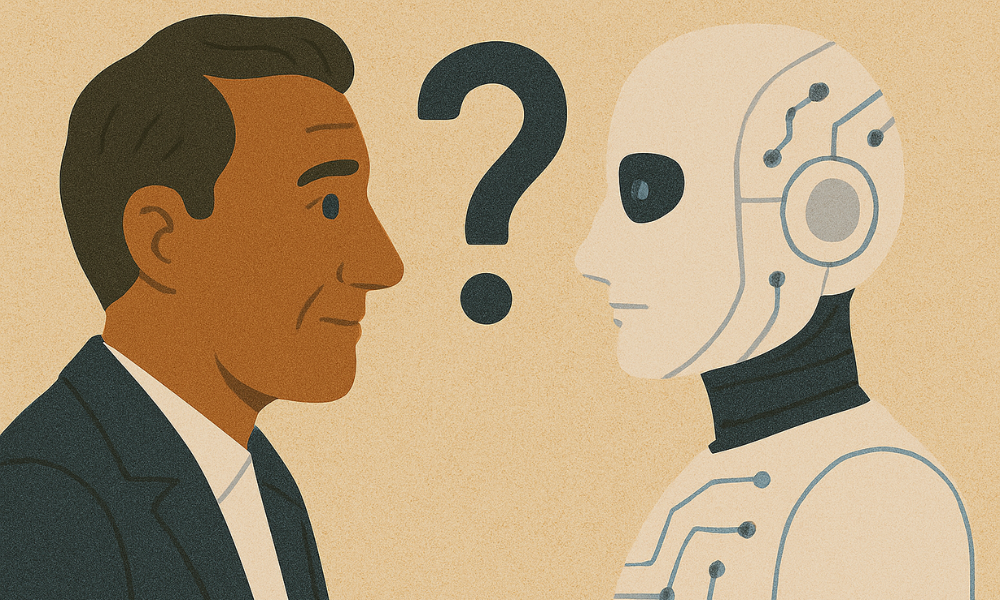

Are We Ready to Trust Artificial Intelligence?
Artificial Intelligence (AI) is no longer just a futuristic concept; it’s a part of our daily lives. From voice assistants like Siri and Alexa to recommendations on Netflix and social media, AI is woven into the fabric of our modern existence. But with all this technology at our fingertips, one big question looms: are we ready to trust artificial intelligence?
The Rise of AI: A Brief Overview
AI has come a long way since its inception. Initially, it was a niche area of computer science, but now it encompasses a variety of fields such as machine learning, natural language processing, and robotics. The growth of AI technology has been spurred by:
- Advancements in computing power
- Large volumes of data available for training
- Improvements in algorithms
Today, AI systems can perform tasks that were once thought to be exclusively human domains, such as diagnosing diseases, driving cars, and even creating art. But as these systems become more integrated into our lives, we need to consider the implications of trusting them.
Understanding Trust in AI
Trust is a critical aspect of any relationship, be it human-to-human or human-to-machine. When we talk about trusting AI, we’re looking at several factors:
Transparency
One major element of trust is transparency. Users want to understand how AI systems make decisions. If an AI system recommends a particular product or makes a medical diagnosis, users need to know:
- What data was used?
- How was the data processed?
- What algorithms were applied?
Without clear communication about these elements, skepticism can arise, leading people to question the reliability of AI.
Accountability
Accountability is another cornerstone of trust. When an AI system makes a mistake, who is responsible? Is it the developer, the user, or the AI itself? Establishing clear lines of accountability can help build trust. For example:
- If an autonomous vehicle gets into an accident, determining liability is crucial.
- In the case of biased hiring algorithms, understanding who is responsible can help mitigate harm.
Performance and Reliability
Lastly, the performance and reliability of AI systems play a significant role in trust. If an AI consistently performs well and meets user expectations, trust will naturally grow. However, if an AI system fails or produces unexpected results, users may hesitate to rely on it in the future.
Benefits of Trusting AI
So, why should we consider trusting AI? Here are a few compelling reasons:
Increased Efficiency
AI can analyze vast amounts of data faster than any human could. This efficiency can lead to significant time savings and improved productivity in various sectors, including:
- Healthcare: AI can quickly analyze medical records to assist in diagnosis.
- Finance: AI algorithms can detect fraudulent activities in real-time.
- Manufacturing: AI can optimize supply chain processes, reducing costs.
Enhanced Decision-Making
AI can provide insights based on data analytics that humans may overlook. By trusting AI to aid decision-making, businesses and individuals can make more informed choices. For instance:
- AI can predict market trends, helping investors strategize.
- In agriculture, AI can analyze weather patterns to optimize crop yields.
Personalization
AI has the potential to tailor experiences based on individual preferences. Whether it’s recommending movies, suggesting products, or customizing learning experiences, AI can make our lives more enjoyable and efficient.
Challenges in Trusting AI
Despite the benefits, there are several challenges that we face when it comes to trusting AI:
Bias and Fairness
AI systems can inherit biases present in the data they are trained on. This can lead to unfair outcomes, such as:
- Discrimination in hiring processes
- Inaccurate predictions in criminal justice
Addressing these biases is crucial for building trust in AI systems.
Privacy Concerns
As AI relies heavily on data, privacy becomes a significant concern. Users are often wary of how their data is collected, stored, and used. Ensuring robust data protection measures can help alleviate these concerns.
The Fear of Job Displacement
Many people fear that the rise of AI will lead to job losses. While AI can automate certain tasks, it can also create new job opportunities. Trusting AI means embracing the idea that it can complement human skills rather than replace them.
Conclusion: Are We Ready to Trust AI?
As we navigate this new digital landscape, the question of whether we are ready to trust artificial intelligence becomes increasingly relevant. While there are valid concerns regarding transparency, accountability, and bias, the benefits of trusting AI are too significant to ignore.
To build trust in AI, we must prioritize transparency and accountability, address biases, and ensure privacy protection. By doing so, we can harness the full potential of AI to enhance our lives while mitigating risks.
In conclusion, yes, we can trust artificial intelligence, but it requires collective effort from developers, users, and policymakers. So, let’s embrace this technology, but let’s also stay informed and engaged in discussions about its implications.